HeadPowder, a leading manufacturer based in Shandong, China, specializes in the design and production of advanced pneumatic conveying equipment tailored for the handling of positive electrode materials in lithium-ion battery production. This equipment is engineered to meet the stringent requirements of modern battery manufacturing, ensuring efficient, reliable, and safe material transport within production lines.
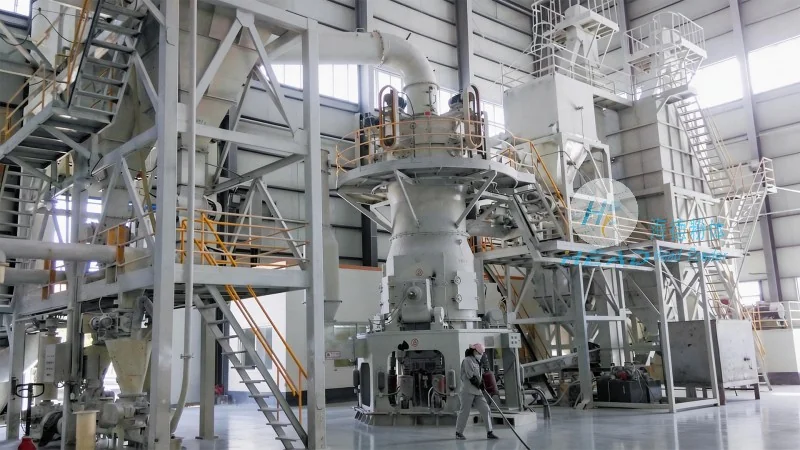
Overview of Pneumatic Conveying Systems for Positive Electrode Materials
The pneumatic conveying system for positive electrode materials is a critical component in the battery manufacturing process. It is responsible for transporting raw materials, such as lithium cobalt oxide, lithium iron phosphate, or other active materials, from storage to processing units with precision and efficiency. The system operates by using compressed air to create a flow that moves the material through a network of pipes and components, eliminating the need for mechanical parts that could introduce contamination or wear.
Key Structural Components and Their Functions
The positive electrode material pneumatic conveying equipment typically consists of several key components, each playing a vital role in the overall operation. These include:
1. Material Hopper: This is the initial storage unit where raw positive electrode materials are loaded. It is designed with a sloped bottom to facilitate smooth material flow into the conveying line. The hopper is often equipped with a level indicator to monitor material inventory and a discharge valve to control the flow rate.
2. Air Supply System: Comprising an air compressor, air filter, and pressure regulator, this system provides the necessary compressed air to generate the conveying air flow. The air compressor ensures a consistent pressure level, while the filter removes contaminants to protect downstream components from damage.
3. Conveying Pipe Network: A network of stainless steel pipes forms the main transport path for the material. The pipes are designed with smooth inner surfaces to minimize friction and material buildup. Elbows, bends, and straight sections are strategically placed to guide the material through the system, often incorporating pulse jet cleaning mechanisms to maintain cleanliness.
4. Solenoid Valves and Control System: These components regulate the flow of air and material through the system. Solenoid valves control the direction and timing of air pulses, ensuring precise control over the conveying process. The control system, often integrated with sensors, monitors pressure, flow rate, and material level, providing real-time feedback and automated adjustments to maintain optimal operation.
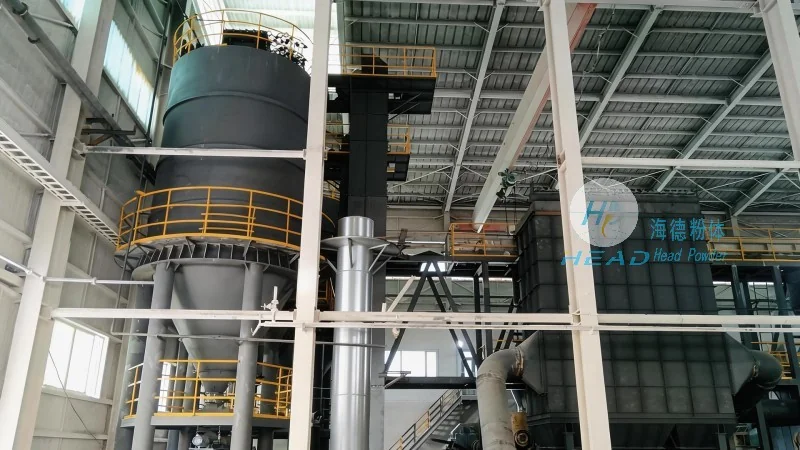
5. Material Separation and Collection: At the receiving end of the conveying line, a cyclone separator or filter is used to separate the material from the air stream. The separated material is collected in a receiving hopper, while the air is either filtered and recirculated or vented to the atmosphere, depending on the system design.
Working Principle of the Pneumatic Conveying Process
The operation of the positive electrode material pneumatic conveying system follows a systematic process that ensures efficient material transport. The process begins with the material being discharged from the hopper into the conveying pipe under the influence of compressed air. The air flow, typically generated by a high-pressure blower, creates a negative pressure or positive pressure environment that propels the material through the pipe network.
As the material travels through the pipes, it is suspended in the air stream, moving in a fluidized state. The design of the pipe network, including the use of bends and straight sections, is optimized to maintain the material in suspension, preventing clogging or deposition. The system may employ a combination of positive and negative pressure zones to achieve the desired transport efficiency, with the control system adjusting the air flow rate and pressure as needed.
Upon reaching the receiving end, the material is separated from the air using a cyclone separator. The centrifugal force in the cyclone causes the heavier material particles to be deposited into the collection hopper, while the air is directed to a filter or vent system. This separation process ensures that the material is delivered in a clean and dry state, ready for the next stage of battery production.
Advantages of Using Pneumatic Conveying for Positive Electrode Materials
Implementing a pneumatic conveying system for positive electrode materials offers several advantages that enhance the efficiency and quality of battery manufacturing. These benefits include:
1. Hygienic and Contamination-Free Transport: Unlike mechanical conveyors, pneumatic systems do not use physical contact with the material, reducing the risk of contamination from metal parts or wear particles. This is particularly important for sensitive materials used in lithium-ion batteries, where purity is critical.
2. High Efficiency and Low Maintenance: The system operates with minimal moving parts, resulting in lower maintenance requirements and reduced downtime. The use of stainless steel components ensures durability and resistance to corrosion, extending the equipment's service life.
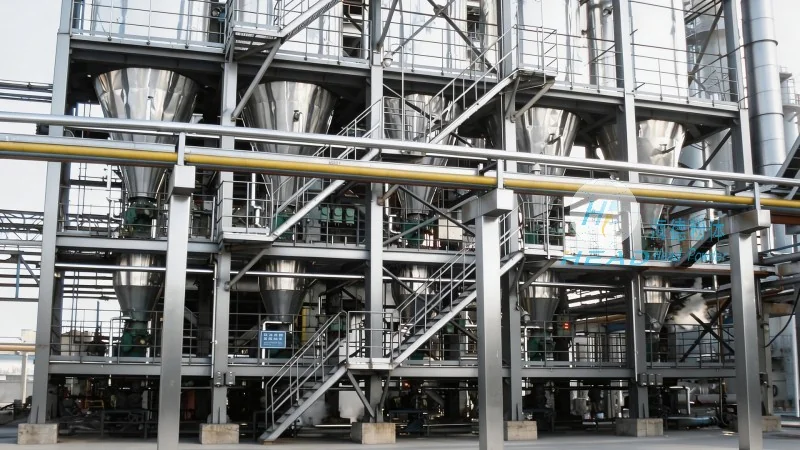
3. Flexibility and Scalability: Pneumatic conveying systems can be easily adapted to different production scales and layouts. They can be expanded or reconfigured to accommodate changes in production volume or material types, providing long-term flexibility for manufacturers.
4. Energy Efficiency: Modern pneumatic conveying systems are designed to be energy-efficient, with optimized air flow rates and pressure control. This reduces operational costs and aligns with the industry's focus on sustainable manufacturing practices.
5. Safety and Reliability: The system is equipped with safety features, such as pressure relief valves and emergency shut-off mechanisms, to prevent accidents and ensure reliable operation. The automated control system provides real-time monitoring and alerts, enhancing overall safety in the production environment.
Application in Battery Manufacturing
The positive electrode material pneumatic conveying equipment is widely used in the production of lithium-ion batteries, where the handling of active materials is a critical step. The system is integrated into the production line, connecting the material storage area to the mixing, coating, and drying units. By ensuring a consistent and controlled flow of materials, the system contributes to the uniformity and quality of the final battery products.
HeadPowder's pneumatic conveying solutions are tailored to meet the specific needs of battery manufacturers, offering customized designs that optimize material transport efficiency and minimize waste. The company's expertise in material handling and process engineering ensures that the equipment is reliable, durable, and compatible with the stringent requirements of modern battery production.
Conclusion
In conclusion, the positive electrode material pneumatic conveying equipment is a sophisticated and essential component in lithium-ion battery manufacturing. Its design, based on the principles of pneumatic transport, provides an efficient, hygienic, and reliable method for handling sensitive materials. With its advanced structural components and automated control systems, this equipment plays a crucial role in maintaining the quality and consistency of battery production. HeadPowder, as a leading manufacturer in this field, continues to innovate and provide high-quality solutions that meet the evolving demands of the battery industry.




