HeadPowder, a leading manufacturer based in Shandong, China, specializes in the design and production of advanced pneumatic conveying systems tailored for handling gypsum powder and dust. This article provides an overview of the gypsum powder and dust pneumatic conveying equipment, detailing its structural components and operational principles to help users understand its functionality and benefits.
Company Profile: Shandong HeadPowder Engineering Co., Ltd.
HeadPowder, the company behind this innovative equipment, is a professional enterprise dedicated to providing high-quality pneumatic conveying solutions. With a strong commitment to technological advancement and customer satisfaction, HeadPowder has established itself as a trusted name in the industry. The company’s headquarters is located in Shandong, China, where it leverages local resources and expertise to develop cutting-edge equipment for various industrial applications.
Understanding Gypsum Powder and Dust Pneumatic Conveying Equipment
Gypsum powder and dust pneumatic conveying equipment is a critical piece of machinery used in industries that handle fine powders, such as construction, cement production, and mining. This system efficiently transports gypsum powder and dust through a pipeline using air pressure, eliminating the need for traditional bulk handling methods like trucks or conveyor belts. The equipment is designed to ensure minimal dust dispersion, maintain product quality, and enhance operational safety.
Key Structural Components of the Pneumatic Conveying System
The gypsum powder and dust pneumatic conveying equipment consists of several essential components that work in tandem to achieve efficient material transport. These components include the hopper, feeder, air compressor, pipeline system, and receiver. Each part plays a vital role in the overall operation of the system.
1. **Hopper**: The hopper is the storage container where gypsum powder and dust are loaded. It is typically made of durable materials like stainless steel or carbon steel to withstand the abrasive nature of the material. The hopper features a sloped bottom to facilitate smooth material flow into the feeder.
2. **Feeder**: The feeder is responsible for controlling the flow rate of the gypsum powder from the hopper into the pipeline. It ensures a consistent and controlled discharge of the material, preventing overloading or underloading of the system. Common types of feeders include rotary valves and screw feeders, which are chosen based on the specific requirements of the application.
3. **Air Compressor**: The air compressor is the heart of the pneumatic conveying system. It generates the necessary air pressure to move the gypsum powder through the pipeline. The compressor is designed to deliver a stable and sufficient airflow, ensuring that the material is transported efficiently without clogging or loss of pressure.
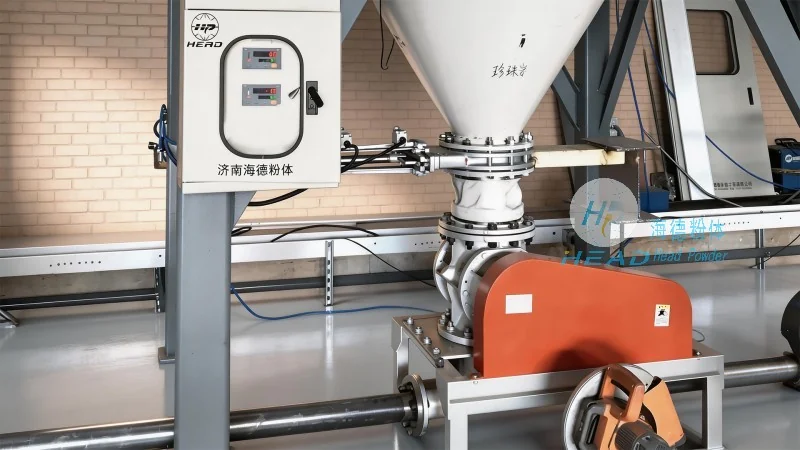
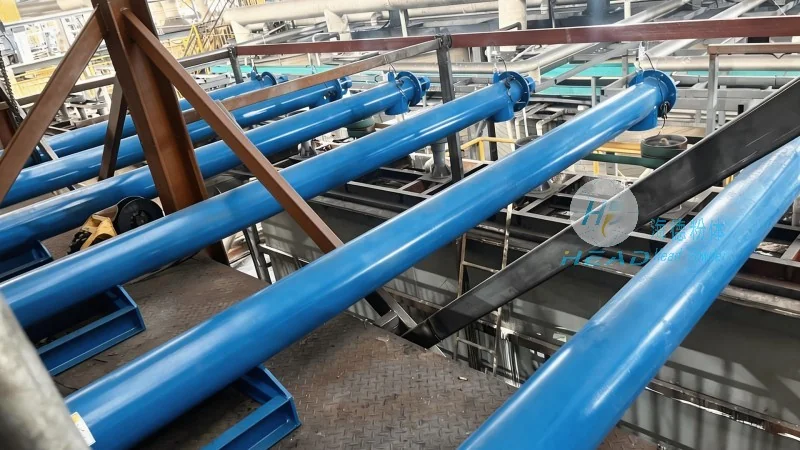
4. **Pipeline System**: The pipeline system is a network of pipes that connects the hopper, feeder, and receiver. It is constructed from materials like stainless steel or PVC to resist corrosion and maintain the integrity of the conveyed material. The pipeline is equipped with appropriate fittings, such as elbows and tees, to direct the flow and minimize pressure losses.
5. **Receiver**: The receiver is the final storage container where the gypsum powder is deposited after being transported through the pipeline. It is designed to collect the material and prevent any spillage or dust emissions. The receiver may also include a dust collection system to ensure environmental compliance and operational safety.
Working Principle of the Pneumatic Conveying System
The operation of the gypsum powder and dust pneumatic conveying equipment follows a systematic process that involves the following steps:
1. **Material Loading**: The gypsum powder and dust are loaded into the hopper from a bulk storage or processing unit. The hopper is filled to a level that allows for smooth material flow.
2. **Feeder Operation**: The feeder is activated to control the flow rate of the material from the hopper into the pipeline. The feeder ensures that the material is discharged at a consistent rate, preventing any blockages or uneven flow.
3. **Air Compression**: The air compressor is started, generating high-pressure air that is introduced into the pipeline. The air pressure creates a flow that pulls the gypsum powder particles into the pipeline.
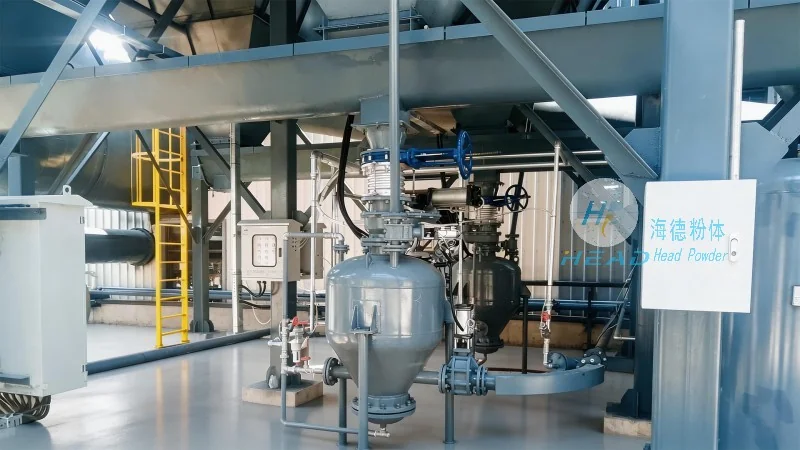
4. **Material Transport**: The compressed air carries the gypsum powder through the pipeline, moving it from the hopper to the receiver. The velocity of the air and the size of the particles determine the efficiency of the transport process.
5. **Material Deposition**: Upon reaching the receiver, the gypsum powder is deposited into the storage container. The air pressure is reduced, allowing the material to settle and be collected. The receiver may also include a dust collection system to capture any fine particles that may have escaped during the transport process.
Benefits and Applications of Gypsum Powder and Dust Pneumatic Conveying Equipment
The gypsum powder and dust pneumatic conveying equipment offers several advantages over traditional handling methods. These benefits include improved efficiency, reduced labor costs, enhanced product quality, and increased safety. The equipment is particularly suitable for applications where dust control and material purity are critical.
Some common applications of this equipment include:
1. **Construction Industry**: In the production of gypsum board and other building materials, the equipment is used to transport gypsum powder from storage to processing units, ensuring a consistent supply of raw material.
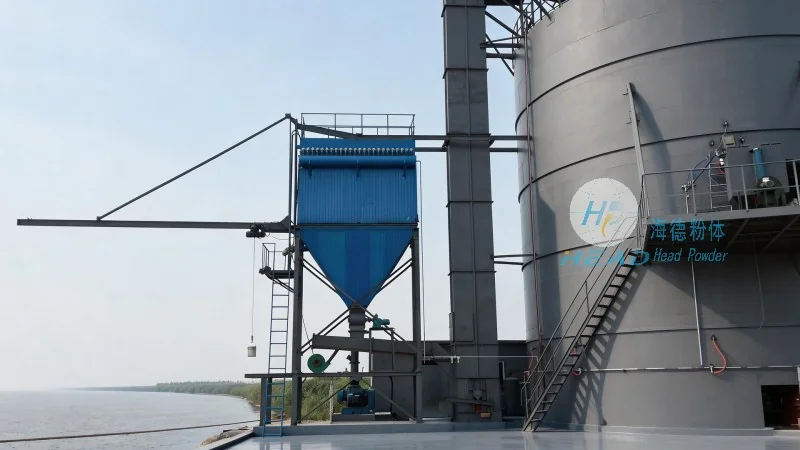
2. **Cement Production**: The equipment is utilized in cement plants to convey gypsum powder and other additives to the grinding and mixing processes, contributing to the quality of the final product.
3. **Mining and Mineral Processing**: In mining operations, the equipment is used to transport fine gypsum dust from ore processing facilities to storage or disposal areas, minimizing environmental impact.
4. **Chemical Manufacturing**: The equipment is applied in chemical plants to handle gypsum-based products, ensuring safe and efficient material transport within the facility.
Maintenance and Operational Considerations
To ensure the optimal performance and longevity of the gypsum powder and dust pneumatic conveying equipment, regular maintenance is essential. This includes checking the air compressor for proper operation, inspecting the pipeline for any blockages or leaks, and cleaning the hopper and receiver to prevent material buildup. Additionally, the feeder should be adjusted periodically to maintain the correct flow rate, and the dust collection system should be checked for efficiency.
Proper operational considerations also include monitoring the air pressure and flow rate to ensure that the system is running at its most efficient level. Any deviations from the normal operating parameters should be addressed promptly to prevent system failures or material loss.
Conclusion
Gypsum powder and dust pneumatic conveying equipment is a sophisticated and efficient solution for handling fine powders in various industrial applications. With its robust structural design and reliable operational principles, this equipment provides significant benefits in terms of productivity, safety, and environmental compliance. HeadPowder, as a leading manufacturer based in Shandong, China, continues to innovate and improve its products to meet the evolving needs of the industry.




