Light-weighted micropowder pneumatic conveying equipment is a specialized industrial solution designed for the efficient and reliable transport of fine powders with low bulk density. This equipment is widely used in various industries, including pharmaceuticals, food processing, and chemical manufacturing, where handling delicate and low-density powders requires precise control and minimal product degradation. The design of such equipment focuses on optimizing material flow, maintaining product quality, and ensuring operational safety under diverse process conditions.
Company Overview: HeadPowder
HeadPowder, the manufacturer of this advanced pneumatic conveying equipment, is a leading enterprise based in Shandong, China. As a professional provider in the field of powder handling technology, HeadPowder specializes in developing and manufacturing high-quality pneumatic conveying systems tailored to meet the unique demands of modern industrial applications. The company's commitment to innovation, quality, and customer satisfaction has established it as a trusted partner for businesses seeking efficient and reliable solutions for micropowder transport. With a strong presence in the domestic market and growing recognition internationally, HeadPowder continues to advance the technology of pneumatic conveying equipment, ensuring it remains at the forefront of the industry.
Structural Principles of Light-Weighted Micropowder Pneumatic Conveyors
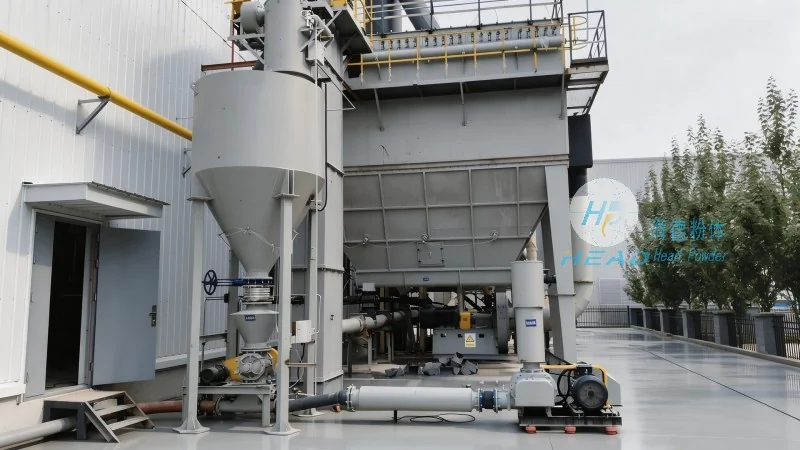
The core of light-weighted micropowder pneumatic conveying equipment lies in its integrated system that combines air flow management, material handling, and structural design. The system typically consists of several key components, each playing a crucial role in the overall operation. The primary components include a high-pressure air source, a material feeding mechanism, a conveying pipeline network, and a control system for regulating air pressure and flow rates. The air source, often a blower or compressor, generates the necessary air pressure to propel the micropowder particles through the pipeline. The feeding mechanism, such as a rotary valve or a venturi feeder, ensures that the powder is introduced into the system in a controlled manner, preventing blockages and maintaining consistent flow rates.
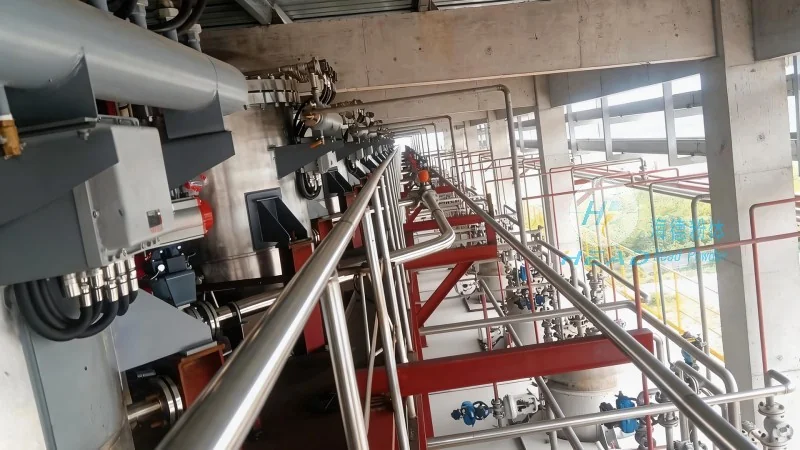
The conveying pipeline is designed with smooth, corrosion-resistant materials, such as stainless steel or polyethylene, to minimize friction and prevent material buildup. The pipeline layout is carefully engineered to optimize the air-powder mixture's velocity and reduce the risk of particle segregation or degradation. In addition to the main pipeline, the system may include branch lines, bends, and expansion chambers to accommodate changes in direction and volume, ensuring the micropowder is transported smoothly without excessive pressure drops or turbulence. The control system, equipped with sensors and digital controllers, monitors key parameters like air pressure, flow rate, and material level, allowing for real-time adjustments to maintain optimal performance and prevent operational issues.
Key Features and Advantages of Light-Weighted Micropowder Pneumatic Conveying Equipment
Light-weighted micropowder pneumatic conveying equipment offers several advantages that make it an ideal choice for handling delicate and low-density powders. One of the most significant benefits is its ability to transport materials without direct contact, which minimizes contamination and product degradation. Unlike traditional mechanical conveyors, which can cause friction and particle breakage, pneumatic systems use air to move the powder, preserving the integrity of the micropowder. This is particularly important in industries where product purity and quality are critical, such as pharmaceuticals and food processing.
Another advantage is the flexibility and scalability of the system. The modular design allows for easy expansion or modification to accommodate changing production needs. Whether a small-scale operation or a large industrial facility, the equipment can be customized to meet specific requirements, including varying material types, flow rates, and pipeline lengths. The system also offers high efficiency in terms of energy consumption, as it uses compressed air efficiently to move the powder, reducing operational costs over time.
Application Examples and Industry Use Cases
Light-weighted micropowder pneumatic conveying equipment is widely applied in various industries where the handling of fine powders is essential. In the pharmaceutical industry, it is used to transport active pharmaceutical ingredients (APIs), excipients, and other delicate powders, ensuring that the materials remain pure and free from contamination. The equipment's ability to maintain low temperatures and controlled environments makes it suitable for temperature-sensitive products, such as vaccines and biologics.
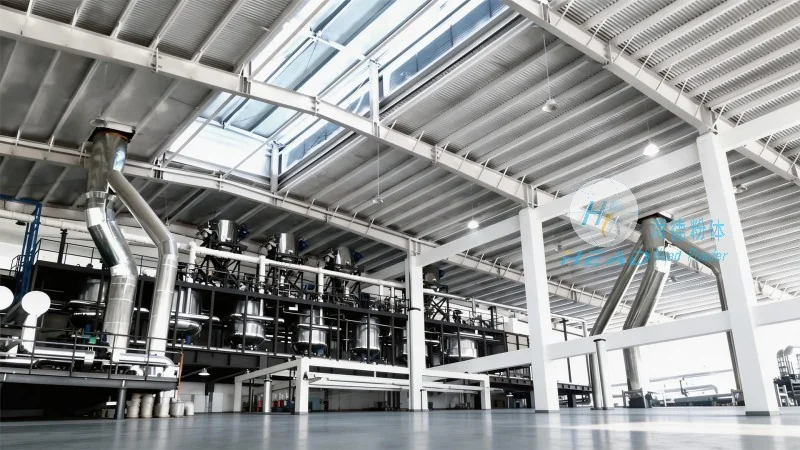
In the food processing industry, the system is employed to convey ingredients like sugar, flour, and spices, maintaining the quality and freshness of the products. The gentle handling of the powders prevents clumping or degradation, which is crucial for maintaining the taste and texture of food products. Similarly, in the chemical manufacturing sector, the equipment is used to transport chemicals, pigments, and other fine powders, ensuring safe and efficient transport while minimizing the risk of dust explosions or material loss.
Operational Considerations and Maintenance
Proper operation and maintenance of light-weighted micropowder pneumatic conveying equipment are essential to ensure its longevity and optimal performance. Regular maintenance, including cleaning of the pipeline, checking for air leaks, and inspecting the feeding mechanism, is crucial to prevent blockages and maintain consistent flow rates. The system should be operated within the recommended pressure and flow ranges to avoid excessive wear and tear on components. Additionally, the use of appropriate filters and separators helps to remove any debris or moisture from the air, ensuring the purity of the conveyed material and protecting the equipment from damage.
Training operators on the proper use and maintenance of the equipment is also important to prevent accidents and ensure compliance with safety regulations. The control system should be regularly calibrated to maintain accurate monitoring of key parameters, and any deviations should be addressed promptly to avoid operational issues. By following these best practices, businesses can maximize the efficiency and lifespan of their light-weighted micropowder pneumatic conveying equipment, ensuring reliable and cost-effective operation.




