Borax granule pneumatic conveying equipment is a critical component in the industrial processing of borax, a widely used chemical in various sectors such as glass manufacturing, detergents, and agriculture. This equipment is designed to efficiently transport borax granules from one location to another through the use of air pressure, ensuring a reliable and safe transfer process. The following sections will provide a detailed overview of the equipment's structure and operational principles, highlighting the key components and their functions.
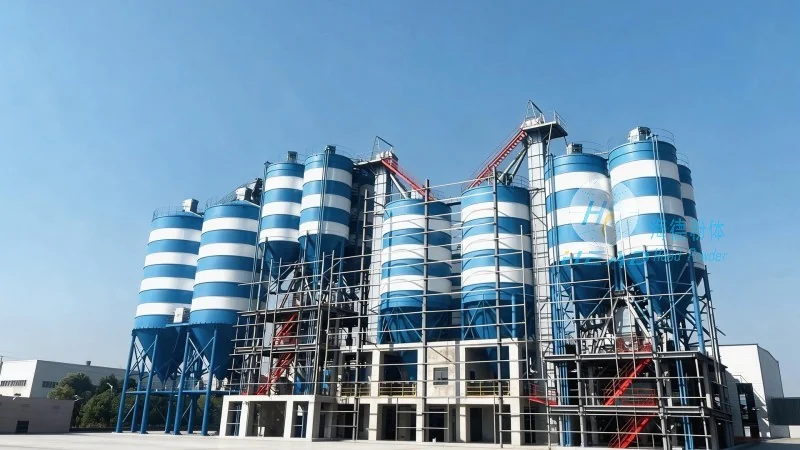
Key Structural Components of Borax Granule Pneumatic Conveying Machines
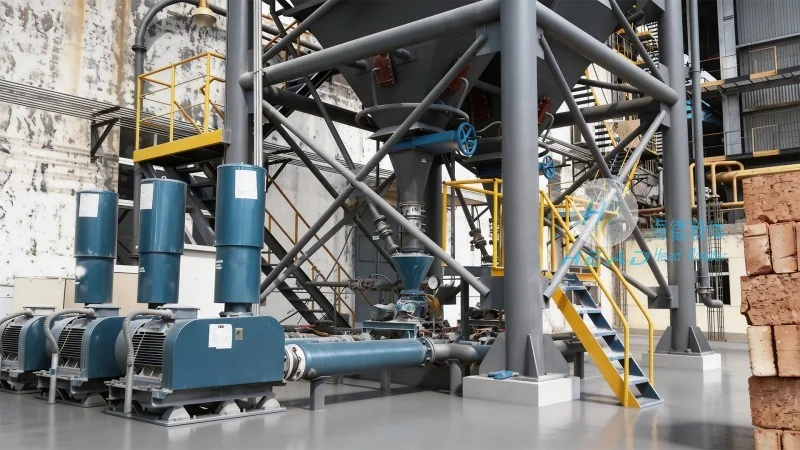
The borax granule pneumatic conveying system typically consists of several essential components that work in tandem to achieve effective material transport. These components include the hopper, which serves as the storage and feeding unit for the borax granules; the air compressor, responsible for generating the necessary air pressure to move the material; the pipeline system, which forms the conduit for the granules and air mixture; and the receiver, where the conveyed borax is collected. Each component plays a vital role in the overall functionality of the system, and their proper integration is crucial for optimal performance.
Operational Principles of Pneumatic Conveying for Borax Granules
The operational principle of borax granule pneumatic conveying involves the creation of a low-pressure or high-pressure air stream within the pipeline. The air compressor draws in ambient air and compresses it to a pressure level suitable for transporting the granules. The borax granules are then introduced into the air stream, either by gravity from the hopper or by a feeding mechanism, and are carried along the pipeline by the moving air. The velocity of the air is carefully controlled to ensure that the granules are suspended and transported without causing excessive wear on the equipment or the granules themselves. The receiver at the end of the pipeline collects the conveyed borax, and the system can be configured for either positive or negative pressure operation, depending on the specific application requirements.
Advantages of Using Pneumatic Conveying for Borax Granules
Compared to traditional mechanical conveying methods, pneumatic conveying offers several advantages when handling borax granules. These include reduced risk of material contamination, as the entire process is enclosed and controlled; improved safety due to the absence of moving parts in the transport path; and enhanced flexibility in terms of layout and system expansion. Additionally, pneumatic conveying systems can handle a wide range of particle sizes and densities, making them suitable for various borax processing applications. The ability to transport materials over long distances without the need for intermediate transfer points also contributes to operational efficiency and cost savings.
Application Scenarios in Borax Processing Industries
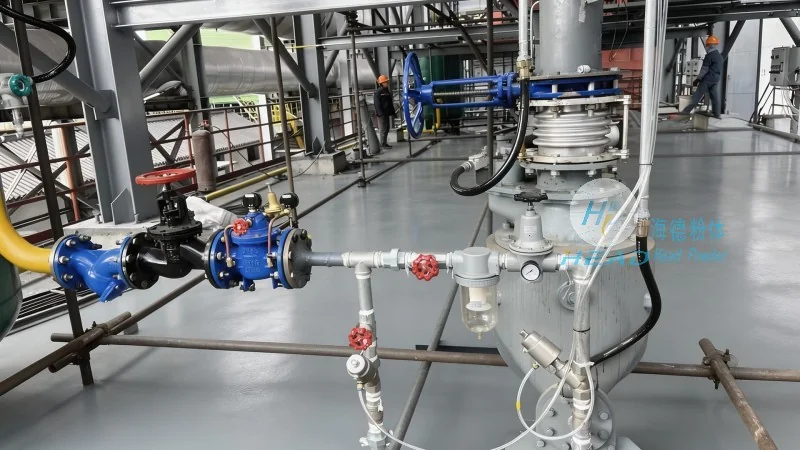
Borax granule pneumatic conveying equipment is widely used in different stages of borax processing and manufacturing. In glass manufacturing, for example, the equipment is used to transport borax from storage silos to the glass melting furnaces, ensuring a consistent and controlled supply of raw material. In detergent production, the system helps in transferring borax granules to mixing and blending units, where they are combined with other ingredients to form the final product. The equipment is also utilized in agricultural applications, where borax is used as a fertilizer or soil amendment, and the system facilitates the distribution of the granules to storage or application sites. The versatility of the pneumatic conveying system makes it adaptable to various industrial settings and processing requirements.
Maintenance and Operational Considerations for Borax Granule Pneumatic Conveying Systems
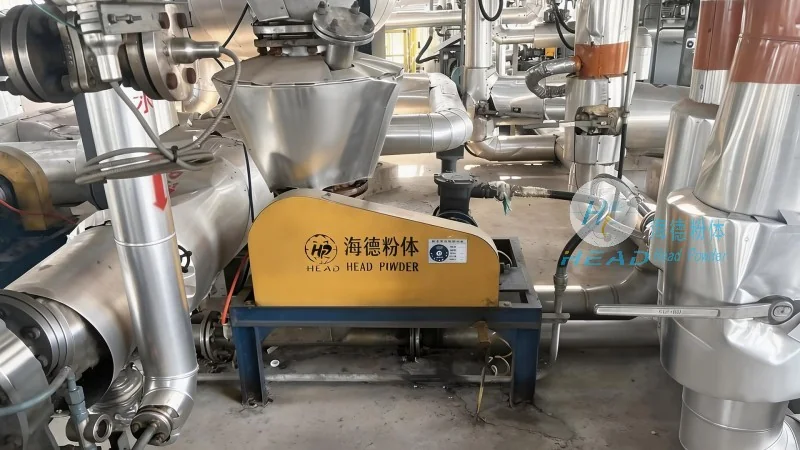
To ensure the longevity and efficiency of borax granule pneumatic conveying equipment, regular maintenance and proper operational practices are essential. The air compressor and associated components should be inspected regularly for wear and tear, and the air filters should be cleaned or replaced as needed to maintain air quality. The pipeline system should be checked for any blockages or leaks, as these can affect the conveying performance and cause operational issues. The hopper and receiver should also be maintained to prevent material buildup or contamination. Operational considerations include monitoring the air pressure and flow rates to ensure they are within the recommended parameters, and adjusting the system as needed to accommodate changes in material characteristics or processing demands. Proper training of operators on the equipment's operation and maintenance is also crucial for optimal performance and safety.
About Shandong HeadPowder Engineering Co., Ltd.
Shandong HeadPowder Engineering Co., Ltd., operating under the brand name headpowder, is a leading manufacturer and supplier of pneumatic conveying equipment for various industrial applications. With a focus on innovation and quality, the company has developed advanced solutions for material handling, including borax granule pneumatic conveying systems. Headpowder's expertise lies in designing customized equipment that meets the specific needs of clients, ensuring reliable and efficient material transport. The company is committed to providing high-quality products and services, supported by a team of experienced engineers and technicians who are dedicated to customer satisfaction and technological advancement. Headpowder's facilities are located in Shandong, China, where the company continues to expand its product line and enhance its capabilities to serve the global market.




