Wood ash, a byproduct of biomass combustion, is commonly used in various industrial applications such as fertilizer production, construction materials, and environmental remediation. Efficient and reliable transportation of wood ash is crucial for optimizing these processes. Pneumatic conveying systems have emerged as a preferred solution due to their ability to handle bulk materials like wood ash with minimal maintenance and operational complexity.
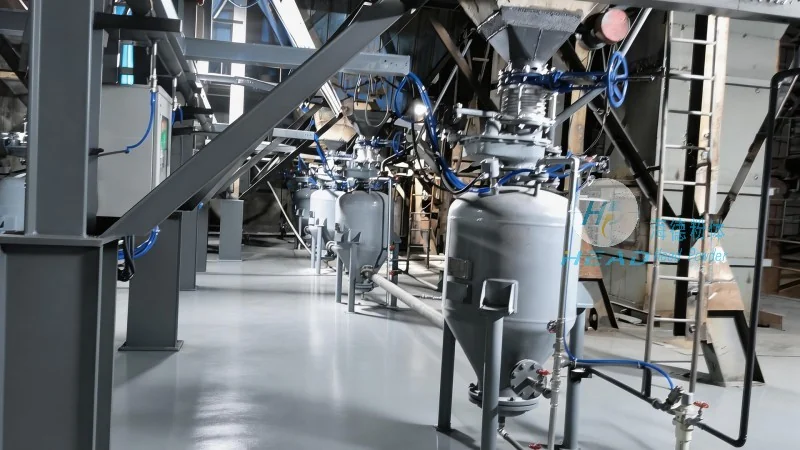
Structural Overview of the Pneumatic Conveying System
The wood ash pneumatic conveying equipment designed by Shandong HeadPowder Engineering Co., Ltd. (commonly known as headpowder) features a modular and robust design tailored to the unique characteristics of wood ash. The system typically consists of several key components, including a hopper for material storage, a rotary valve for controlled discharge, a conveying pipeline, a blower or air compressor to generate the necessary air flow, and a receiver for material deposition. Each component is engineered to ensure seamless integration and optimal performance.
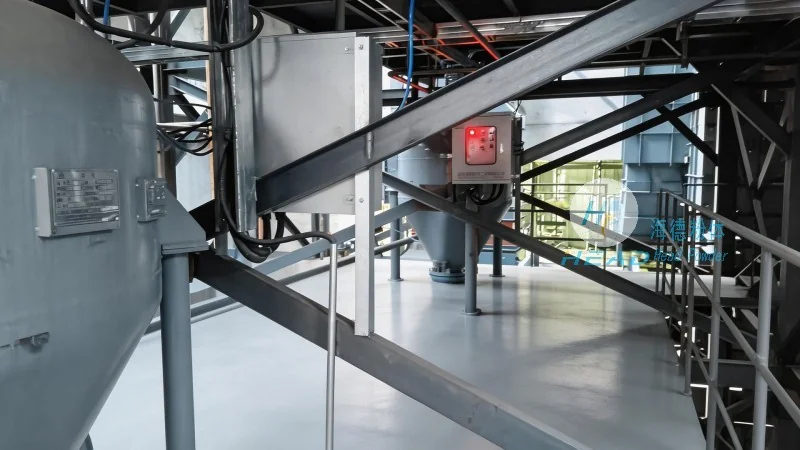
Working Principle of the Pneumatic Conveying Process
The operation of the wood ash pneumatic conveying system involves the following steps: First, wood ash is fed into the hopper from the source material. The rotary valve then regulates the flow of ash into the conveying pipeline, ensuring a consistent and controlled discharge rate. The blower or air compressor supplies high-pressure air, which is introduced into the pipeline at the inlet of the hopper. As the air flows through the pipeline, it entrains the wood ash particles, forming a slurry-like mixture known as a "pneumatic stream." This stream is then transported to the receiver, where the air is separated from the ash and discharged through a filter or vent, leaving the ash deposited in the receiver for further processing or storage.
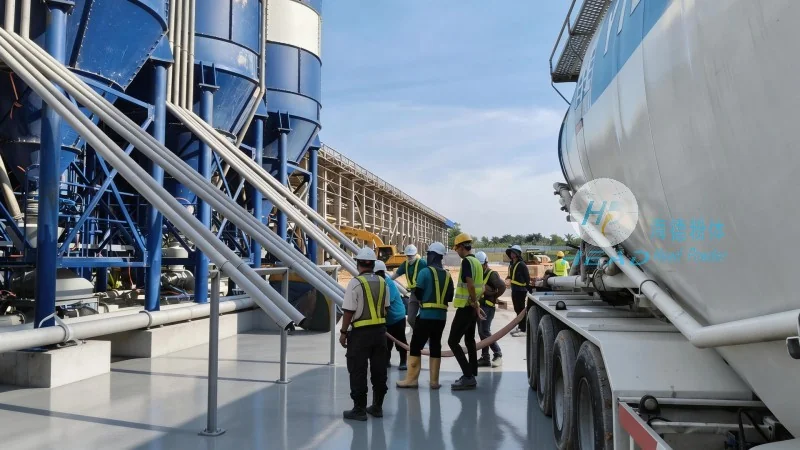
Key Advantages of the Equipment
Shandong HeadPowder Engineering Co., Ltd.'s wood ash pneumatic conveying equipment offers several advantages that make it an ideal choice for industrial applications. Firstly, the system provides a dust-free and hygienic method of material handling, which is particularly important for wood ash used in food or pharmaceutical industries. Secondly, the pneumatic conveying process minimizes material degradation and loss, as the ash is not subjected to mechanical stress or abrasion during transport. Thirdly, the equipment is highly flexible, allowing for changes in conveying distance and volume without significant modifications. Additionally, the system is energy-efficient compared to traditional methods like belt conveyors or bucket elevators, reducing operational costs and environmental impact.
Customization and Application Flexibility
headpowder understands that different industrial settings have varying requirements for wood ash handling. Therefore, the company offers customized solutions tailored to specific customer needs. The pneumatic conveying systems can be adapted for different ash compositions, particle sizes, and conveying distances. For example, for long-distance transport, the system may incorporate multiple blowers or use a high-pressure air source to maintain the pneumatic stream's velocity. For applications requiring high capacity, the pipeline diameter and blower power can be increased to handle larger volumes of wood ash. This flexibility ensures that the equipment can be integrated into existing production lines or new facilities with minimal disruption.
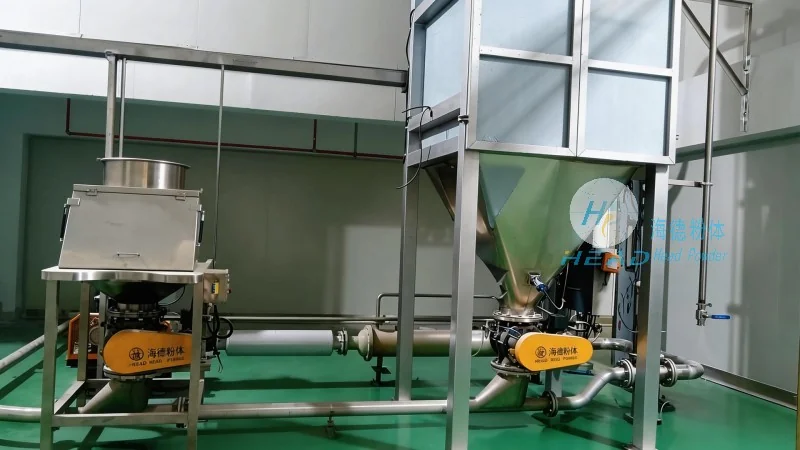
Maintenance and Operational Considerations
Proper maintenance is essential to ensure the long-term reliability and efficiency of the wood ash pneumatic conveying equipment. Regular inspection of the hopper, rotary valve, and pipeline for blockages or wear is recommended. The blower or air compressor should be checked for proper air pressure and flow rates, as insufficient air can lead to material buildup and system failure. Additionally, the filter system in the receiver should be cleaned or replaced regularly to prevent clogging and maintain air quality. headpowder provides comprehensive maintenance services and technical support to help customers optimize the performance of their equipment and minimize downtime.




