Winery spoilage, often referred to as grape pomace or grape waste, is a byproduct of the winemaking process. Efficient and hygienic handling of this material is crucial for maintaining production efficiency and ensuring compliance with industry standards. The gas-pneumatic conveying system has emerged as a highly effective solution for transporting these materials, offering advantages such as reduced labor costs, improved hygiene, and enhanced process control. This article provides an overview of the winery spoilage gas-pneumatic conveying system, focusing on its structural components and operational principles.
Key Components of the Gas-Pneumatic Conveying System
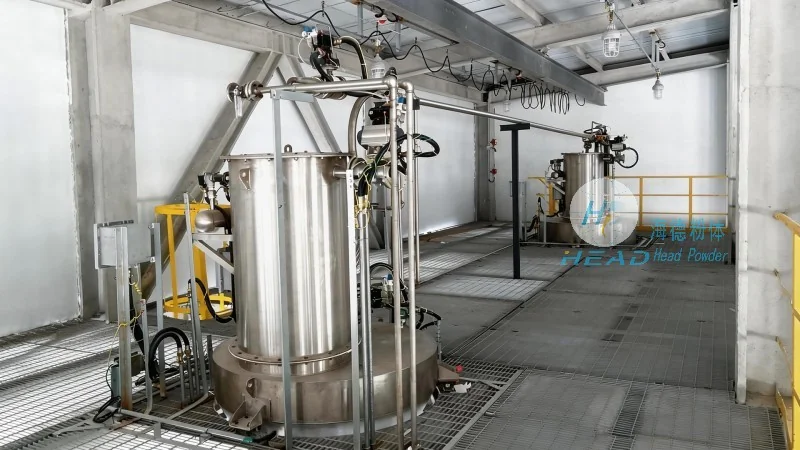
The winery spoilage gas-pneumatic conveying system consists of several critical components that work in tandem to facilitate the transport of materials. The primary components include the hopper, which serves as the storage and feeding unit; the rotary valve, responsible for controlling the flow of material from the hopper; the conveying line, which can be either a flexible hose or a rigid pipe; the air compressor, which generates the necessary pressure for pneumatic transport; and the receiver, where the material is deposited at the destination. Each component plays a vital role in ensuring the smooth and efficient operation of the system.
Structural Principles and Operational Mechanism
The structural principle of the gas-pneumatic conveying system is based on the use of compressed air to move material particles through a pipeline. The material is typically fed into the conveying line via a hopper and rotary valve, where it is then carried by the airflow. The air compressor provides the required pressure, which can range from low to high pressure depending on the distance and material characteristics. The system operates by creating a pressure differential between the inlet and outlet of the conveying line, allowing the material to be transported in a continuous stream. The design of the system is tailored to handle the specific properties of winery spoilage, such as its moisture content, particle size, and density, ensuring optimal performance and minimal material degradation.
Advantages of the Gas-Pneumatic Conveying System
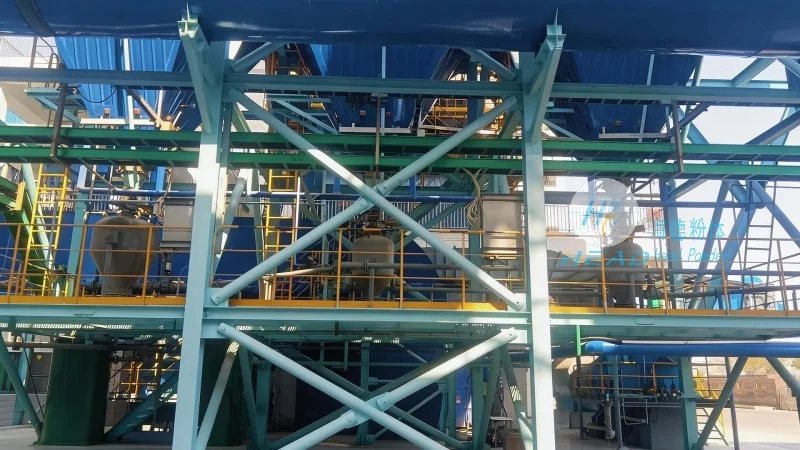
Implementing a gas-pneumatic conveying system for winery spoilage offers several significant advantages. Firstly, it significantly reduces labor costs by automating the material handling process, eliminating the need for manual labor in transporting heavy and bulky waste. Secondly, the system enhances hygiene by keeping the material enclosed within the conveying line, preventing contamination from external sources and reducing the risk of odor and pest issues. Thirdly, it improves process control by allowing precise regulation of the material flow rate and pressure, ensuring consistent and reliable operation. Additionally, the system is compact and can be easily integrated into existing winery facilities, making it a versatile solution for various production scales.
Applications and Customization Options
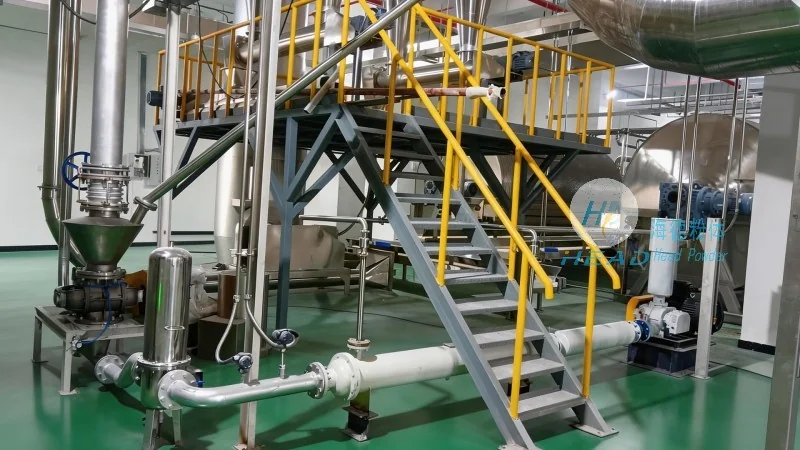
The gas-pneumatic conveying system is widely used in wineries for transporting winery spoilage from the press to the storage or processing areas. It can be customized to suit different production requirements, including varying conveyor lengths, material capacities, and pressure levels. The system can also be integrated with other winery equipment, such as driers or composting facilities, to create a comprehensive waste management solution. The flexibility of the system allows wineries to adapt to changing production volumes and operational needs, ensuring long-term efficiency and sustainability.
Conclusion
In conclusion, the winery spoilage gas-pneumatic conveying system is a highly effective and efficient solution for handling winery waste. Its structural components and operational principles are designed to optimize material transport while maintaining hygiene and process control. By leveraging the power of compressed air, this system offers significant advantages over traditional manual or mechanical handling methods. For wineries seeking to improve their waste management processes and enhance overall operational efficiency, the gas-pneumatic conveying system from Shandong HeadPowder Engineering Co., Ltd. provides a reliable and customized solution.




