Wood chip pneumatic conveying systems are essential equipment in the wood processing industry, designed to efficiently transport wood chips from one location to another. These systems utilize air pressure or vacuum to move the material, offering a flexible and effective solution for various industrial applications. The following overview provides a detailed look at the structure and operational principles of such systems, along with key information about the manufacturer, Shandong HeadPowder Engineering Co., Ltd.
Company Overview
HeadPowder, the manufacturer behind these advanced pneumatic conveying systems, is a leading company based in Shandong, China. With a strong commitment to quality and innovation, HeadPowder specializes in engineering solutions for material handling, particularly in the wood processing sector. The company’s headquarters and operational base are located in Shandong, where it leverages local resources and expertise to develop and produce high-performance conveying equipment tailored to the needs of the wood industry.
Structural Components of Pneumatic Conveying Systems
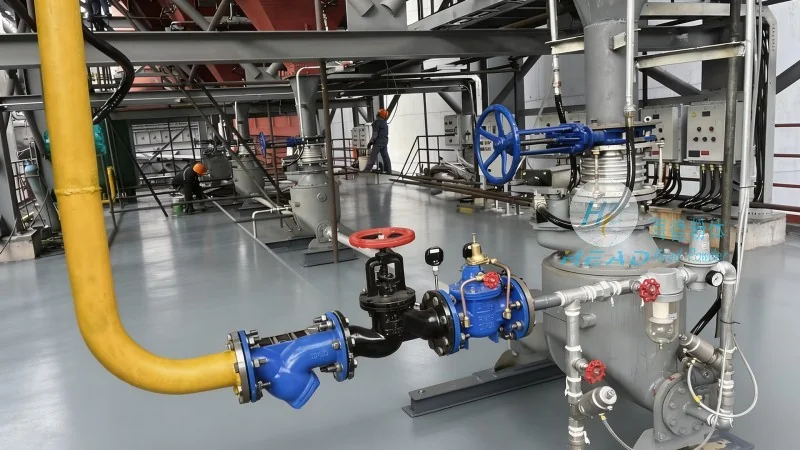
A typical wood chip pneumatic conveying system consists of several key components that work in tandem to ensure efficient material transport. The main parts include the hopper, which serves as the storage and feeding unit for the wood chips; the conveying line, which can be either positive pressure or negative pressure based on the system design; the air compressor or vacuum pump, which generates the necessary air flow; and the control system, which regulates the operation and maintains optimal performance. Each component is carefully designed to handle the specific characteristics of wood chips, such as their size, moisture content, and density, ensuring reliable and consistent operation.
Operational Principles
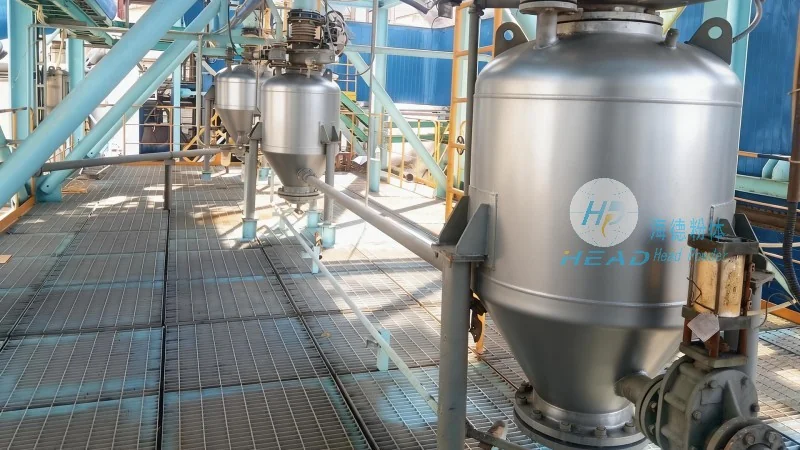
The core principle of pneumatic conveying is the use of air to move the material. In a positive pressure system, compressed air is introduced into the conveying line, pushing the wood chips forward. The air velocity is maintained at a level that prevents the chips from settling or clogging the line. In a negative pressure system, a vacuum is created at the receiving end, drawing the material through the line. Both methods rely on the balance between air flow and material flow to achieve efficient transport. The system’s design takes into account factors like the distance to be covered, the height of the vertical lift, and the volume of material to be conveyed, ensuring that the air pressure or vacuum is sufficient to move the wood chips without excessive energy consumption.
Advantages of Wood Chip Pneumatic Conveying
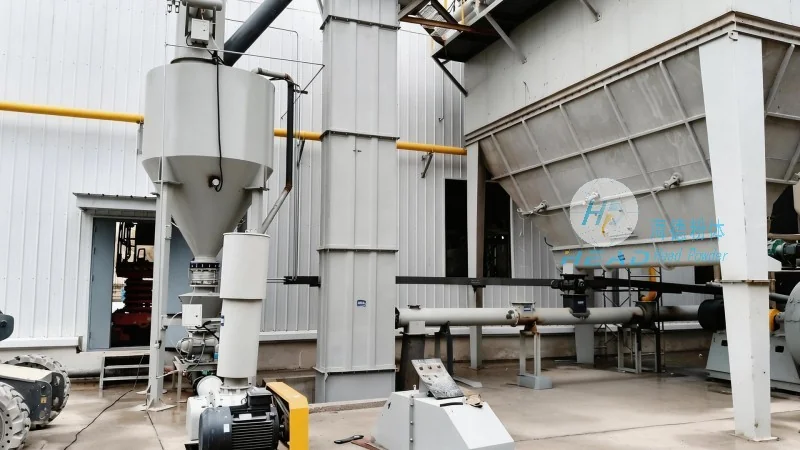
Wood chip pneumatic conveying systems offer several advantages over traditional mechanical conveying methods. First, they are highly flexible, allowing for changes in the conveying route without major modifications to the system. Second, they are capable of transporting materials over long distances and at varying heights, making them suitable for complex processing facilities. Third, these systems are relatively low maintenance, as they have fewer moving parts compared to mechanical conveyors. Additionally, they can handle materials with high moisture content or varying particle sizes, which is common in wood processing. The use of air as the conveying medium also reduces the risk of material contamination and damage, preserving the quality of the wood chips.
Applications in the Wood Industry
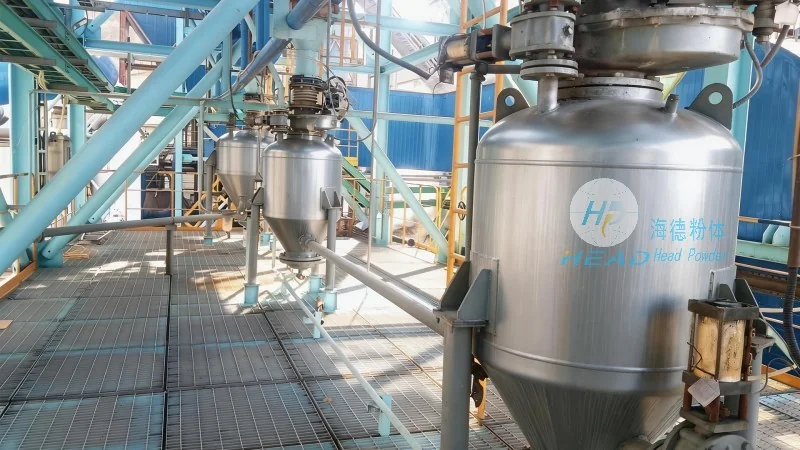
Wood chip pneumatic conveying systems are widely used in various applications within the wood industry. They are commonly employed in sawmills to transport wood chips from the debarking and chipping stages to the drying or pelletizing units. In pulp and paper mills, these systems help move wood chips to the digesters for processing. Additionally, they are used in biomass energy plants to transport wood chips to the boilers for combustion. The versatility of these systems makes them suitable for a range of wood processing operations, from small-scale operations to large industrial facilities.
Quality and Reliability
HeadPowder’s wood chip pneumatic conveying systems are built with high-quality materials and components to ensure long-term reliability and performance. The company adheres to strict quality control standards, from material selection to final assembly, to deliver products that meet or exceed industry expectations. The systems are designed to withstand the harsh conditions of the wood processing environment, including high temperatures, moisture, and abrasive materials. Regular maintenance and servicing are recommended to maintain optimal performance, and HeadPowder provides technical support and spare parts to assist customers in keeping their systems operational.




