HeadPowder, a leading provider in the field of powder handling technology, specializes in the design, manufacturing, and implementation of advanced pneumatic conveying systems. This article focuses on the lithium oxide powder pneumatic conveying system, detailing its operational principles and the specific characteristics of its working environments. The company, based in Shandong, China, leverages years of expertise to deliver efficient and reliable solutions tailored to the unique demands of lithium oxide powder processing.
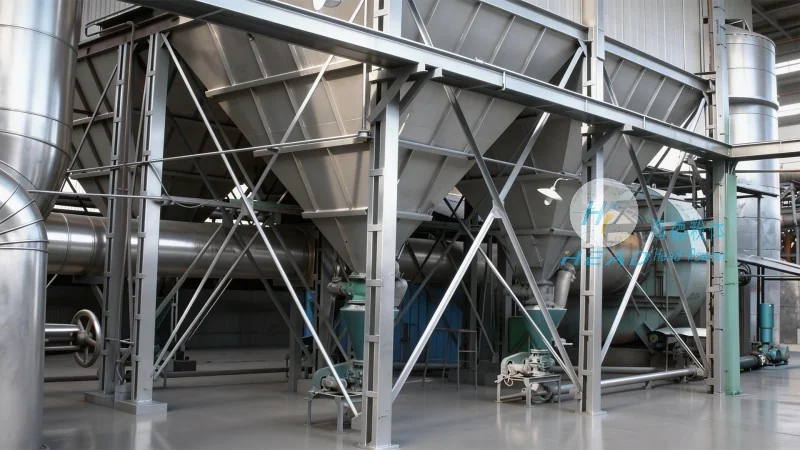
Introduction to Lithium Oxide Powder Pneumatic Conveying Systems
Lithium oxide is a critical raw material in various industries, including battery manufacturing, ceramics, and pharmaceuticals. The safe and efficient transportation of this fine powder is essential to maintain product quality and operational efficiency. Pneumatic conveying systems offer a non-contact, low-maintenance method for moving lithium oxide powder from one location to another, avoiding contamination and minimizing material degradation. HeadPowder’s systems are engineered to handle the specific properties of lithium oxide, such as its fine particle size and reactivity, ensuring optimal performance in industrial settings.
Core Principles of Pneumatic Conveying for Lithium Oxide
The fundamental principle of pneumatic conveying involves the use of compressed air or gas to transport solid particles through a pipeline. In the case of lithium oxide powder, the system operates by creating a flow of air that entrains the powder particles, carrying them through the conveying line. The key components of this system include a feeding device, a conveying line, a separation unit, and a discharge mechanism. The feeding device, such as a rotary valve or a star feeder, ensures a consistent and controlled flow of lithium oxide into the system. The conveying line, typically made of stainless steel or other corrosion-resistant materials, prevents contamination and maintains the integrity of the powder. The separation unit, often a cyclone or a bag filter, separates the powder from the air stream, allowing for the collection of the material at the destination. The discharge mechanism, such as a rotary valve or a gate valve, controls the release of the powder into the receiving vessel.
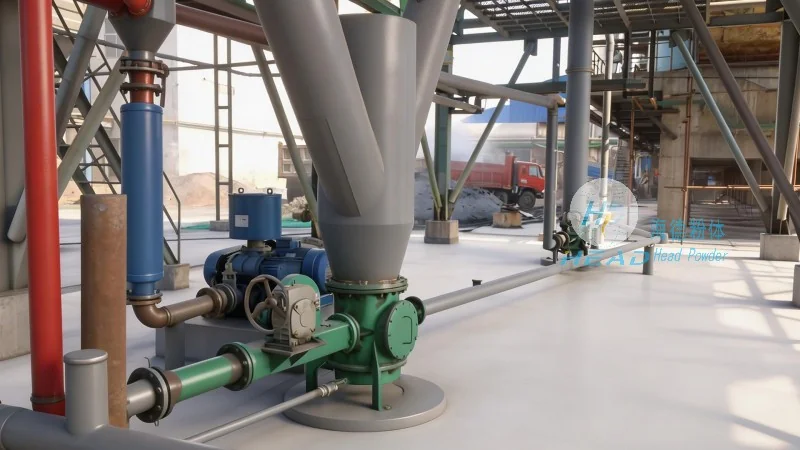
Working Scene Characteristics of Lithium Oxide Pneumatic Conveying
The working scene characteristics of lithium oxide pneumatic conveying systems are influenced by several factors, including the material properties, the system design, and the operational environment. The fine particle size of lithium oxide (typically 1-100 microns) requires a high-velocity air flow to ensure effective entrainment and prevent blockages in the conveying line. The system must be designed to handle the dust generation and potential static charge associated with fine powders, as these can affect the performance and safety of the operation. HeadPowder’s systems incorporate features such as static elimination devices and dust collection systems to mitigate these issues. The working environment may vary depending on the application, ranging from indoor processing facilities to outdoor storage and transfer operations. The system’s flexibility allows it to adapt to different working conditions, ensuring reliable performance in diverse industrial settings.
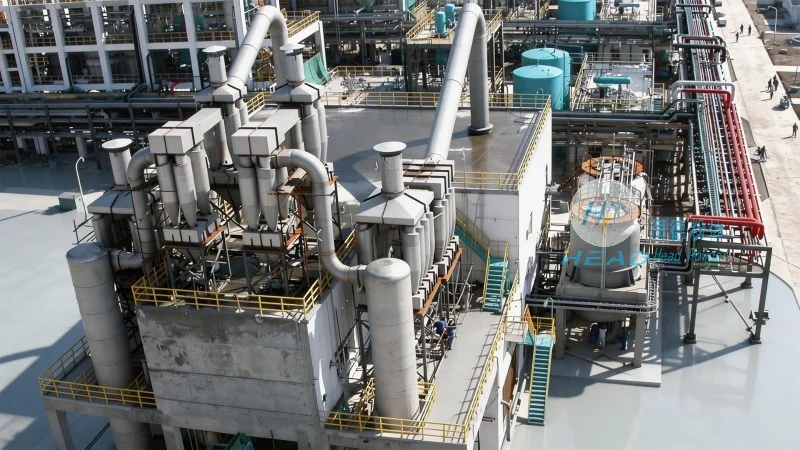
Application Scenarios and Operational Efficiency
Lithium oxide pneumatic conveying systems are widely used in various industrial applications, including the transportation of raw materials to processing lines, the transfer of finished products to packaging areas, and the movement of waste materials for disposal. In battery manufacturing, for example, the system efficiently conveys lithium oxide from storage silos to mixing and compounding equipment, ensuring a consistent feed rate and minimizing downtime. In the ceramics industry, the system transfers lithium oxide to kilns and mixing stations, maintaining the quality of the final product. The operational efficiency of these systems is enhanced by their ability to handle large volumes of material with minimal labor and maintenance. HeadPowder’s systems are designed to achieve high conveying rates, low energy consumption, and long service life, making them a cost-effective solution for lithium oxide powder handling.
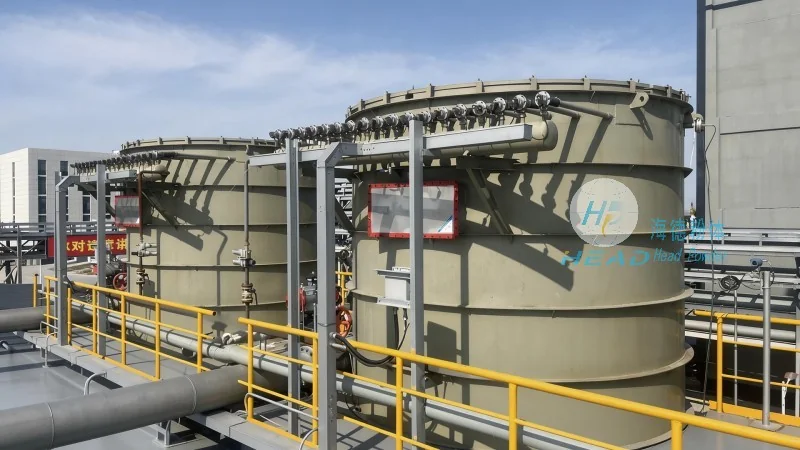
Advantages and Considerations in Lithium Oxide Pneumatic Conveying
Implementing a pneumatic conveying system for lithium oxide offers several advantages, including non-contact material handling, reduced contamination risk, and improved safety compared to traditional methods like bucket elevators or screw conveyors. The system also allows for the integration of other processing steps, such as drying or mixing, within the conveying line. However, there are considerations to keep in mind when designing and operating such a system. The high velocity of the air stream can cause wear on the conveying line and components, requiring regular maintenance and replacement of parts. The system’s performance is also affected by the moisture content and temperature of the lithium oxide, which can impact the flow characteristics and the risk of caking. HeadPowder provides comprehensive support, including system design, installation, and maintenance services, to address these considerations and ensure optimal performance of the lithium oxide pneumatic conveying system.
Conclusion and Future Outlook
HeadPowder’s lithium oxide powder pneumatic conveying systems represent a reliable and efficient solution for the transportation of this critical material. By understanding the core principles and working scene characteristics of the system, industries can optimize their operations and improve overall productivity. As the demand for lithium oxide continues to grow, the importance of efficient and safe powder handling systems becomes increasingly significant. HeadPowder remains committed to delivering innovative solutions that meet the evolving needs of the industry, ensuring that lithium oxide is transported safely and effectively in various industrial applications.




