HeadPowder, a leading engineering company based in Shandong, China, specializes in the design and implementation of advanced pneumatic conveying systems for the fertilizer industry. This article provides an in-depth exploration of the compound fertilizer powder pneumatic conveying system, focusing on its operational principles and the specific working scenarios where it excels.
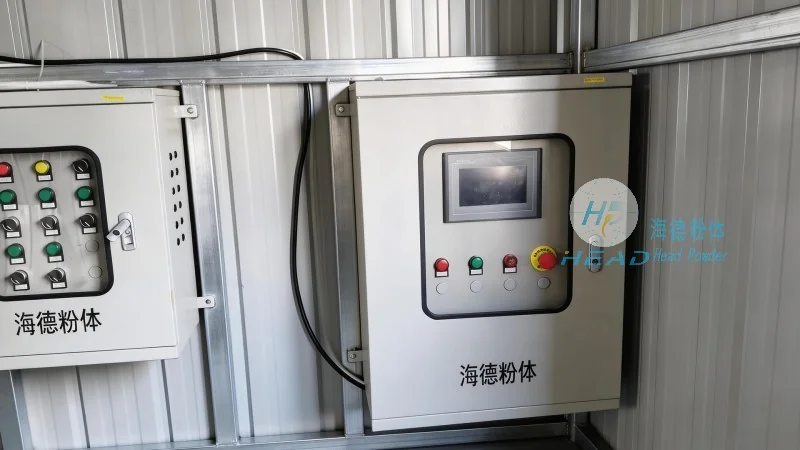
Principle of the Compound Fertilizer Powder Pneumatic Conveying System
The core principle of this system revolves around the use of air as the conveying medium to transport bulk powder materials, such as compound fertilizers, from one location to another. Unlike traditional mechanical conveying methods, which rely on belts, screws, or buckets, pneumatic conveying leverages the force of compressed air to move materials through a network of pipes. The system typically operates on either pressure or vacuum principles, depending on the specific application requirements. In pressure systems, air is forced into the material hopper, creating a pressure differential that propels the powder through the pipeline. Vacuum systems, on the other hand, use a vacuum pump to draw material from the source into the conveying line. The choice between pressure and vacuum is determined by factors like material characteristics, distance, and the need for dust control. The system includes key components such as a material feeder, air compressor or vacuum pump, filter, and control valves. The feeder ensures a consistent flow of fertilizer into the system, while the compressor or pump generates the necessary air pressure or vacuum. The filter is critical for maintaining air quality and preventing dust from escaping into the environment. Control valves regulate the flow rate and direction of the material and air, allowing for precise control over the conveying process.
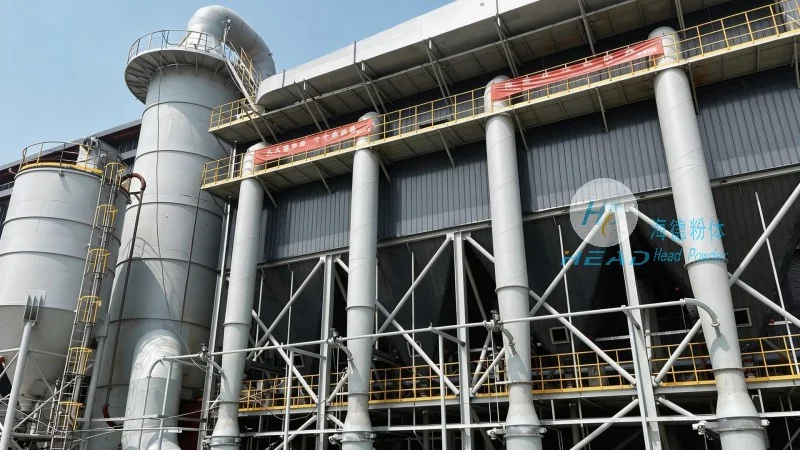
Working Scene Characteristics of the System
The compound fertilizer powder pneumatic conveying system is particularly well-suited for industrial applications where large volumes of fertilizer need to be transported efficiently and safely. One primary working scene is in fertilizer production facilities, where raw materials are processed and then transported to storage or packaging areas. The system can handle the high throughput required in these settings, ensuring smooth and continuous operation. Another key application is in bulk handling and distribution centers, where compound fertilizers are transferred between storage silos, loading docks, and transport vehicles. The system's ability to handle long distances and multiple transfer points makes it ideal for these scenarios. Additionally, the system is commonly used in agricultural settings, such as on-farm storage and distribution, where it facilitates the movement of fertilizer from storage to application equipment. The working scene characteristics also include the need for dust control and environmental compliance, as fertilizer powders can be fine and potentially hazardous if not handled properly. The system's design incorporates features like sealed pipelines and efficient filtration to minimize dust emissions and ensure safe operation. Furthermore, the system is adaptable to various material types, including different grades of compound fertilizers, which may have varying particle sizes and flow properties. This adaptability allows the system to be used in diverse working environments, from large-scale industrial plants to smaller agricultural operations.
Advantages in Specific Working Scenarios
When applied in the appropriate working scenarios, the compound fertilizer powder pneumatic conveying system offers several distinct advantages over traditional conveying methods. One significant benefit is the reduction in labor costs and operational complexity. By automating the material transport process, the system minimizes the need for manual handling, which is not only safer but also more cost-effective in the long run. Another advantage is the improved material handling efficiency, as the system can transport large volumes of fertilizer quickly and continuously. This is crucial in high-demand scenarios where timely delivery of fertilizer is essential for agricultural productivity. The system also enhances safety in the working environment by eliminating the need for workers to handle bulk powders manually, reducing the risk of dust exposure and related health issues. Additionally, the system's ability to handle long distances and multiple transfer points makes it ideal for large-scale operations, where materials need to be moved from production sites to distant storage or distribution centers. The adaptability of the system to different material types and flow properties ensures that it can be integrated into existing facilities without major modifications. This flexibility is particularly valuable in working scenarios where the fertilizer composition or processing requirements may change over time. The system's design also allows for easy integration with other automation systems, such as inventory management and process control, further enhancing operational efficiency in the working environment.
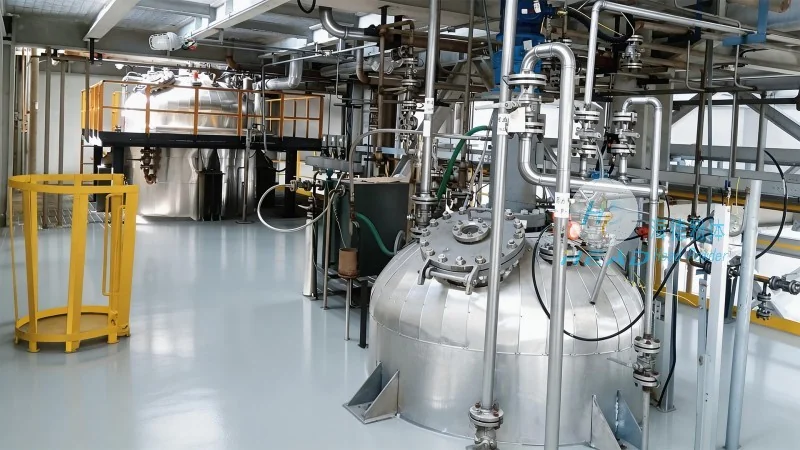
Technical Considerations for Optimal Performance
For the compound fertilizer powder pneumatic conveying system to operate at its best, several technical considerations must be taken into account. The first is the selection of the appropriate conveying method, whether pressure or vacuum, based on the specific characteristics of the fertilizer and the distance to be covered. The choice of method directly impacts the system's efficiency and energy consumption. For example, pressure systems are generally more suitable for short to medium distances, while vacuum systems are better for longer distances or when the material needs to be drawn from a lower elevation. The second consideration is the sizing of the system components, including the air compressor or vacuum pump, filter, and control valves. Proper sizing ensures that the system can handle the required material flow rate without excessive energy use or pressure drop. The third consideration is the material's flow properties, such as its bulk density, angle of repose, and cohesive strength. These properties affect the system's design, including the feeder type and pipeline diameter. For example, cohesive materials may require special feeders or additives to prevent blockages. The fourth consideration is the dust control measures, which are critical for maintaining air quality and preventing environmental contamination. The system's filter and sealed pipelines are essential components for achieving this. Finally, regular maintenance and monitoring are necessary to ensure the system operates efficiently and reliably. This includes checking the air compressor or pump performance, cleaning the filter, and inspecting the control valves for any signs of wear or damage.




