Shandong HeadPowder Engineering Co., Ltd., a leading manufacturer based in Shandong, China, specializes in providing advanced bulk bag handling solutions. The company’s expertise lies in the development and production of efficient bulk bag breakage and pneumatic conveying systems, which are essential for industries requiring reliable material transfer and processing. This article provides a detailed introduction to the equipment, its structural design, and operational principles, highlighting the key components and their functions.
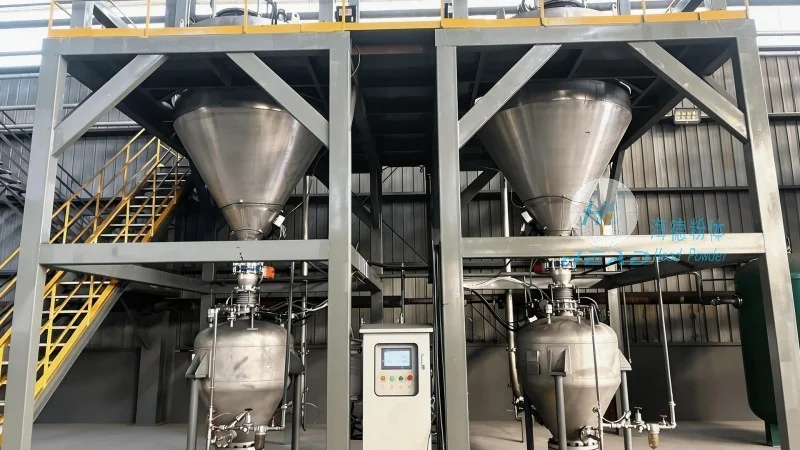
Key Components of the Bulk Bag Breakage and Pneumatic Conveying System
The bulk bag breakage and pneumatic conveying system consists of several critical components that work in tandem to ensure smooth and efficient material handling. The primary components include the bulk bag discharger, the pneumatic conveying line, the dust collection system, and the material storage or processing unit. Each component plays a vital role in the overall operation of the system.
The bulk bag discharger is the initial stage of the system, responsible for opening and emptying the bulk bag. It typically features a hopper or a chamber that allows the bag to be positioned and then broken open. The discharger may include mechanisms such as a cutting blade or a hydraulic system to safely open the bag without damaging the material inside. Once the bag is opened, the material is discharged into the hopper, where it is then transferred to the next stage of the system.
The pneumatic conveying line is the core of the system, responsible for transporting the material from the discharger to the destination. This line can be either positive or negative pressure, depending on the application. Positive pressure systems use a blower or compressor to push the material through the line, while negative pressure systems use a vacuum to draw the material. The choice of pressure type depends on factors such as the material's properties, the distance to be conveyed, and the required flow rate.
The dust collection system is an essential component for maintaining a clean and safe working environment. It typically includes a filter or a cyclone separator that captures any dust or particles generated during the material transfer process. The collected dust is then disposed of or recycled, ensuring compliance with environmental regulations and improving workplace safety.
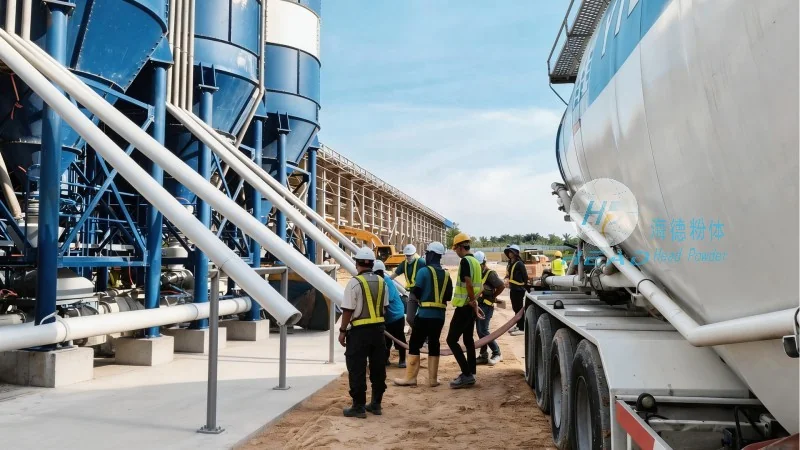
The material storage or processing unit is the final stage of the system, where the material is stored or further processed. This unit may include a silo, a hopper, or a processing machine, depending on the specific application. The material is transferred from the conveying line to this unit, where it is either stored for later use or processed according to the requirements of the industry.
Structural Principles and Operational Mechanisms
The structural design of the bulk bag breakage and pneumatic conveying system is optimized for efficiency and reliability. The components are arranged in a logical sequence to minimize material handling time and maximize throughput. The system is designed to handle a wide range of materials, including powders, granules, and bulk solids, with varying particle sizes and flow characteristics.
The operational mechanism of the system involves several steps. First, the bulk bag is positioned in the discharger and opened. The material is then discharged into the hopper. Next, the pneumatic conveying system is activated, and the material is transported through the line to the storage or processing unit. The dust collection system simultaneously captures any dust generated during the process. The entire operation is automated, with minimal human intervention required, ensuring consistent and reliable performance.
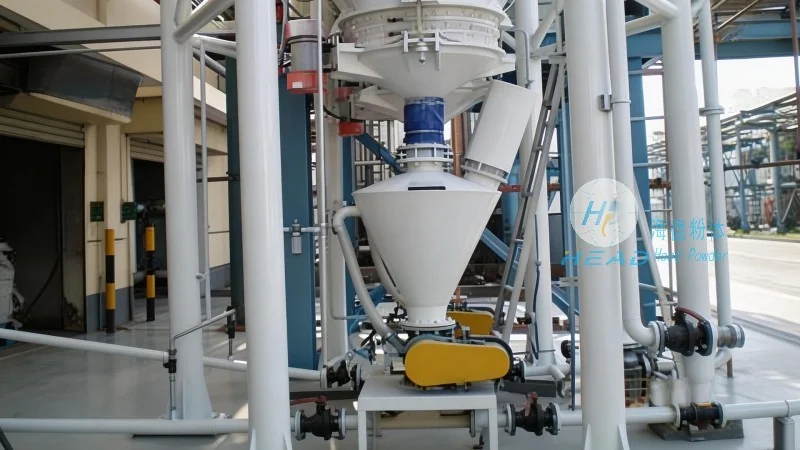
The system's structural principles also include considerations for material compatibility and durability. The components are made from materials that are resistant to corrosion, wear, and abrasion, ensuring long-term operation. The design also incorporates safety features, such as emergency shut-off valves and pressure relief devices, to prevent accidents and ensure operator safety.
Applications and Benefits
The bulk bag breakage and pneumatic conveying system is widely used in various industries, including chemical, pharmaceutical, food, and mining. The system is particularly suitable for applications where bulk bags are used as the primary packaging material, as it allows for efficient and hygienic material transfer. The system offers several benefits, including reduced labor costs, increased throughput, and improved material handling efficiency.
One of the key benefits of the system is its ability to handle large quantities of material with minimal space requirements. The compact design of the system allows it to be installed in confined spaces, making it ideal for facilities with limited floor space. Additionally, the system is highly customizable, allowing it to be tailored to the specific needs of each application.
The system also offers environmental benefits, as it reduces the need for manual handling of bulk bags and minimizes the generation of dust and waste. The dust collection system ensures that the material is handled in a clean and safe manner, reducing the risk of contamination and improving product quality.




