Understanding the operation process and working principle of mixed material pneumatic conveying lines is crucial for optimizing material handling efficiency in various industrial applications. This article provides a detailed overview of how these systems function, emphasizing the technical aspects and operational steps involved in their effective use.
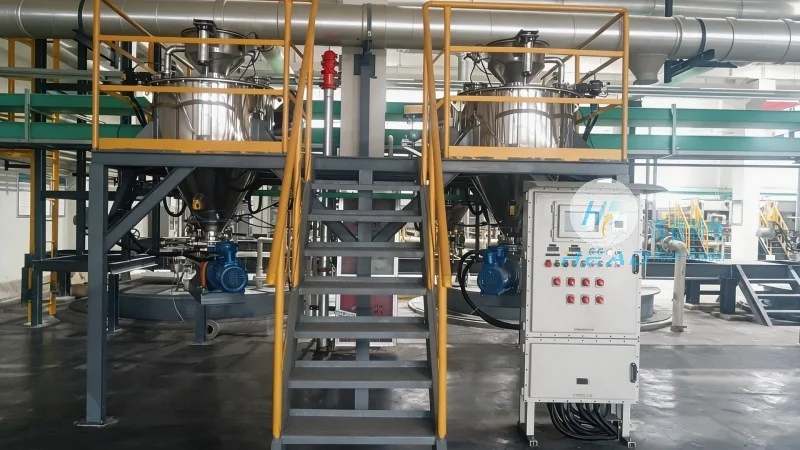
Overview of Mixed Material Pneumatic Conveying Lines
HeadPowder, a leading engineering company based in Shandong, China, specializes in the design, manufacturing, and installation of advanced pneumatic conveying systems. The mixed material pneumatic conveying line is a sophisticated solution that integrates multiple components to transport a variety of materials, such as powders, granules, and bulk solids, through a pressurized or vacuum system. These lines are widely used in industries like food processing, pharmaceuticals, chemicals, and mining, where efficient and hygienic material transport is essential.
The Operational Process of Mixed Material Pneumatic Conveying Lines
The operation of a mixed material pneumatic conveying line involves several key steps that ensure smooth and continuous material transfer. The process typically begins with the loading of materials into a hopper or feeder, where the material is prepared for transport. From there, the material is introduced into the conveying line, either through a pressure or vacuum system, depending on the system design. The conveying medium, usually air or a combination of air and other gases, creates the necessary flow to move the material through the pipeline. The system includes components such as rotary valves, airlocks, and filters to control the flow and maintain material quality. The operational sequence ensures that the material is transported from the source to the destination without interruption, minimizing downtime and maximizing productivity.
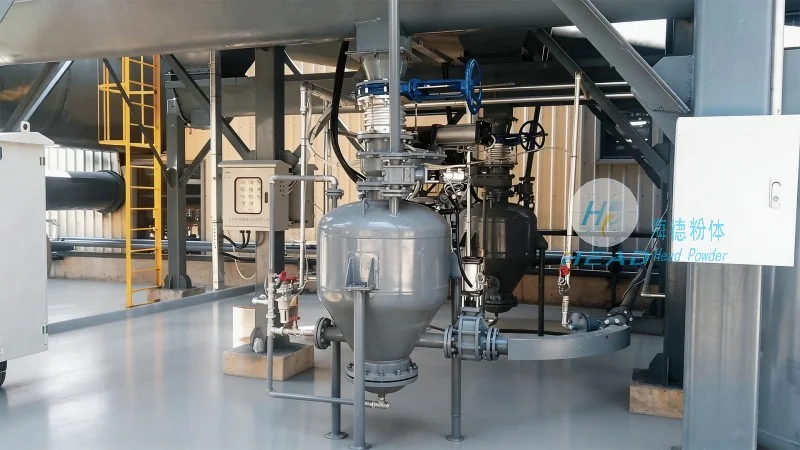
Working Principle of Mixed Material Pneumatic Conveying Lines
The working principle of mixed material pneumatic conveying lines is based on the principles of fluid dynamics and particle transport. In a pressure system, compressed air is used to create a positive pressure that pushes the material through the pipeline. The air and material mixture travels at high velocity, allowing for the efficient transport of even fine or abrasive materials. In a vacuum system, the material is drawn into the pipeline using a vacuum pump, which creates a negative pressure that pulls the material from the source to the destination. The mixed material system combines both pressure and vacuum capabilities, enabling the transport of materials with varying properties and characteristics. The system's design allows for the integration of different materials, such as powders and granules, in a single conveying line, which enhances flexibility and reduces the need for multiple systems.
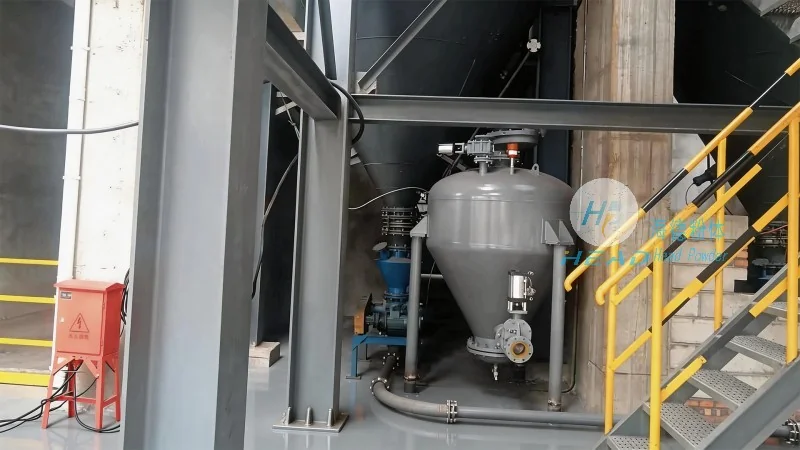
Key Components and Their Functions
Several critical components are integral to the operation of mixed material pneumatic conveying lines. The hopper or feeder is responsible for storing and feeding the material into the system, ensuring a consistent flow. Rotary valves and airlocks are used to control the material flow and prevent backflow, maintaining the integrity of the material. Filters and cyclones are essential for separating the conveying medium from the material, ensuring that the material remains clean and free from contaminants. The pipeline system, made of durable materials like stainless steel or plastic, provides the path for material transport and is designed to withstand the pressures and temperatures involved. Control systems, including sensors and valves, monitor and regulate the operation of the system, ensuring optimal performance and safety.
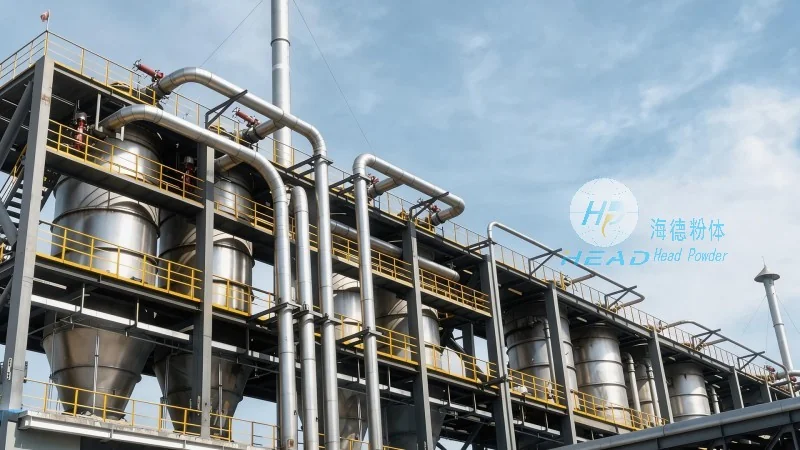
Advantages and Applications
HeadPowder's mixed material pneumatic conveying lines offer several advantages over traditional material handling methods. These systems provide a clean and hygienic way to transport materials, which is particularly important in industries like food and pharmaceuticals. The mixed material capability allows for the transport of various materials in a single line, reducing the need for multiple systems and saving space. The systems are also energy-efficient, as they use less power compared to other material handling methods. Additionally, the systems are flexible and can be customized to meet the specific needs of different applications. The applications of mixed material pneumatic conveying lines are diverse, including the transport of powders in food processing plants, granules in chemical manufacturing, and bulk solids in mining operations. The systems are designed to handle a wide range of materials, from fine powders to large granules, making them suitable for various industrial applications.
Maintenance and Operational Tips
Proper maintenance is essential to ensure the longevity and efficiency of mixed material pneumatic conveying lines. Regular cleaning of the system components, such as the hopper, feeder, and pipeline, is necessary to prevent material buildup and clogging. The filters and cyclones should be checked and replaced regularly to maintain their effectiveness. The control systems should be inspected and calibrated to ensure proper operation. Operational tips include monitoring the pressure and flow rates, checking for leaks, and ensuring that the material is properly loaded into the system. By following these maintenance and operational tips, the system can operate efficiently and reliably, minimizing downtime and maximizing productivity.




