Shandong HeadPowder Engineering Co., Ltd., a professional manufacturer based in Shandong, China, specializes in the design and production of advanced pneumatic conveying systems for various powder materials. The company's flagship product, the Bentonite Powder Pneumatic Conveying Equipment, is engineered to meet the demanding requirements of the bentonite industry, offering efficient, reliable, and environmentally friendly material handling solutions.
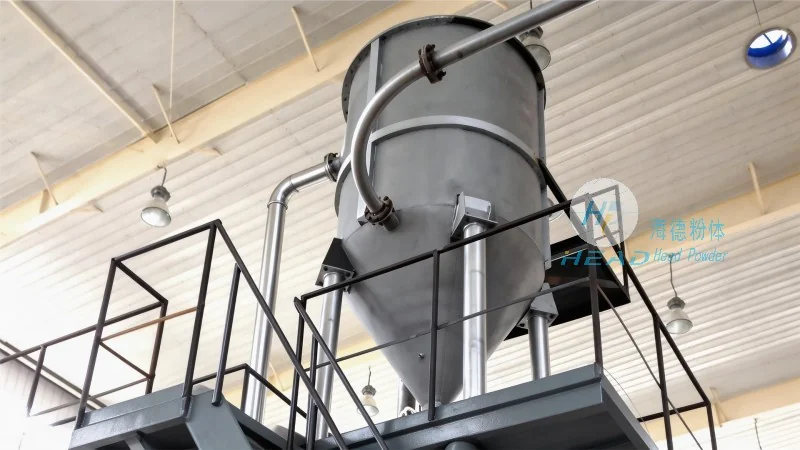
Working Principle of the Bentonite Powder Pneumatic Conveying System
The core of the pneumatic conveying process lies in the use of compressed air to transport powder materials through a closed pipeline system. In the case of the Bentonite Powder Pneumatic Conveying Equipment, this system is specifically optimized for bentonite, a fine clay powder widely used in industrial applications such as drilling fluids, foundry sands, and paper manufacturing. The working principle can be broken down into several key components:
First, the material is fed into the system via a hopper or feeder, which ensures a consistent flow rate. The feeder is typically equipped with a rotary valve or a screw conveyor to control the discharge of bentonite powder into the main conveying line. Simultaneously, a high-pressure air compressor generates the necessary air pressure, which is then introduced into the pipeline through an air lock or a venturi device. The compressed air creates a low-pressure zone within the pipeline, generating a suction force that draws the bentonite powder particles into the air stream. As the mixture of air and powder travels through the pipeline, the particles are suspended and transported to the destination point, such as a storage silo or a processing unit.
Key Structural Components of the Equipment
The Bentonite Powder Pneumatic Conveying Equipment consists of several integrated components that work in harmony to achieve efficient material transport. These components include:
1. Feeding System: This component is responsible for introducing the bentonite powder into the conveying line. It typically features a hopper with a discharge valve, a rotary airlock, or a screw feeder to regulate the flow of material. The design ensures minimal material buildup and prevents blockages, which is crucial for maintaining consistent operation.
2. Air Compressor and Air Treatment Unit: The air compressor provides the necessary pressure to generate the air flow. The air treatment unit, which may include filters and dryers, ensures that the compressed air is clean and dry, preventing contamination of the bentonite powder and extending the lifespan of the equipment.
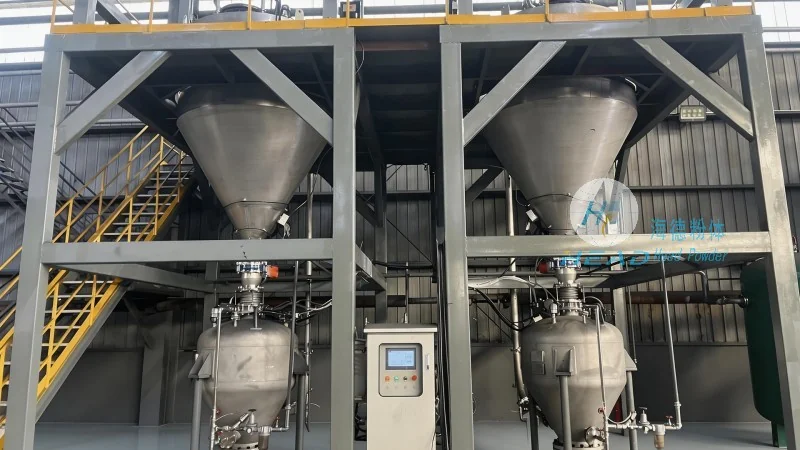
3. Conveying Pipeline: The pipeline is constructed from materials such as stainless steel or plastic, depending on the specific application requirements. It is designed to withstand the pressure and abrasion caused by the bentonite powder, ensuring long-term durability and minimal maintenance.
4. Control System: An automated control system monitors and regulates the operation of the entire process. It includes sensors to detect material levels, air pressure, and flow rates, allowing for real-time adjustments to maintain optimal performance. The control system also includes safety features to prevent over-pressurization or material blockages.
Detailed Operation Process
The operation of the Bentonite Powder Pneumatic Conveying Equipment follows a systematic sequence to ensure efficient and safe material transport. The process can be summarized as follows:
1. Preparation: Before starting the operation, the system is checked for any blockages or leaks. The air compressor is started, and the air pressure is adjusted to the required level. The feeding system is also prepared, ensuring that the bentonite powder is ready to be discharged.
2. Material Feeding: The bentonite powder is fed into the hopper at a controlled rate. The rotary valve or screw feeder regulates the flow, preventing excess material from entering the pipeline and causing blockages.
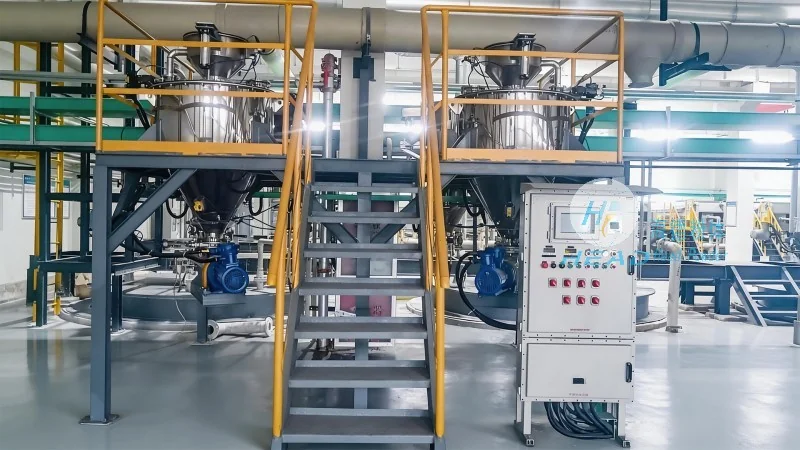
3. Air Intake and Conveying: As the powder is fed, the compressed air is introduced into the pipeline. The air and powder mixture is then drawn into the conveying line, where the particles are suspended and transported to the destination. The pipeline design ensures that the mixture travels smoothly without excessive pressure drops or particle separation.
4. Delivery and Discharge: At the receiving end of the pipeline, the bentonite powder is separated from the air stream using a cyclone separator or a filter. The separated powder is collected in a storage silo or transferred to the next processing stage. The air is then filtered and recycled back to the compressor, minimizing waste and energy consumption.
5. Shutdown: When the material transport is complete, the feeding system is stopped, and the air compressor is turned off. The pipeline is then purged to remove any remaining powder, preventing clogging and ensuring the system is ready for the next operation.
Technical Advantages and Application Scenarios
The Bentonite Powder Pneumatic Conveying Equipment offers several advantages that make it an ideal solution for bentonite handling applications. These include:
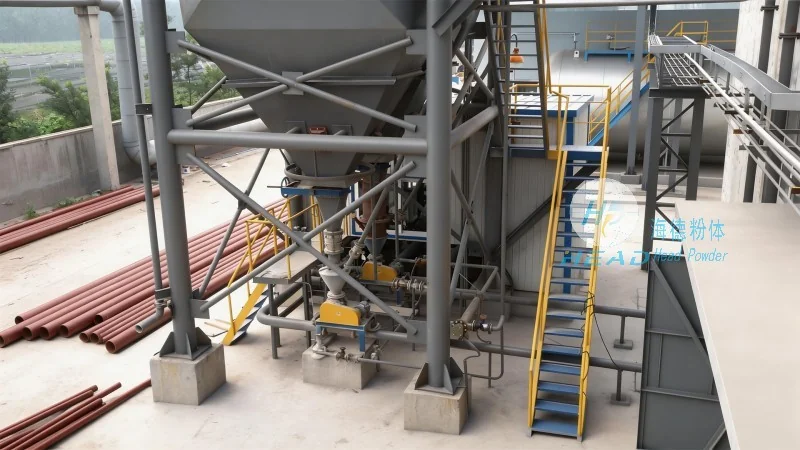
1. Efficiency: The system provides high material transport rates with minimal pressure loss, ensuring that the bentonite powder is delivered to the destination quickly and reliably.
2. Environmental Friendliness: The enclosed pipeline system prevents dust emissions, reducing the environmental impact and improving workplace safety.
3. Flexibility: The equipment can be configured to handle different flow rates and distances, making it suitable for various industrial settings.
4. Low Maintenance: The design of the components, such as the air treatment unit and the conveying pipeline, minimizes the need for frequent maintenance, reducing downtime and operational costs.
Shandong HeadPowder Engineering Co., Ltd. continues to innovate and improve its pneumatic conveying systems to meet the evolving needs of the bentonite industry. By leveraging advanced technology and engineering expertise, the company ensures that its equipment delivers superior performance, reliability, and cost-effectiveness for its customers.




