Continuous material loading pneumatic conveying lines are sophisticated systems designed to efficiently transport bulk materials from one location to another using air as the primary medium. These systems are widely utilized in various industrial sectors, including food processing, pharmaceuticals, and chemical manufacturing, due to their ability to handle a wide range of materials while maintaining hygiene and operational efficiency.
Key Components and Their Roles
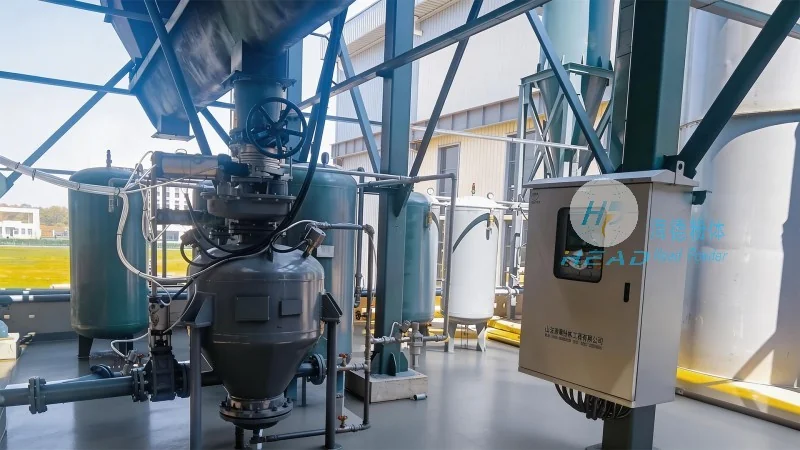
The operation of a continuous material loading pneumatic conveying line relies on several critical components that work in tandem to ensure smooth material transport. The main components include the material feed hopper, the conveying pipeline, the air compressor or blower, and the control system. The feed hopper is responsible for storing and feeding the bulk material into the system at a consistent rate. The conveying pipeline, typically made of stainless steel or other corrosion-resistant materials, carries the material and air mixture through the system. The air compressor or blower generates the necessary airflow to move the material particles, while the control system monitors and adjusts the system parameters to maintain optimal performance.
Working Principle of the Conveying Process
The working principle of a continuous material loading pneumatic conveying line is based on the principle of pneumatic transport, where material particles are suspended and carried by the air stream. The process begins with the material being fed from the hopper into the pipeline. As the air compressor provides a steady airflow, the material particles are entrained and transported through the pipeline. The speed and pressure of the air determine the conveying capacity and distance of the material transport. The system can operate in either positive or negative pressure modes, depending on the application requirements. In positive pressure systems, the pipeline is pressurized, while in negative pressure systems, the pipeline is under vacuum. The choice between these modes depends on factors such as material characteristics, system layout, and environmental considerations.
Operation Process: From Material Loading to Delivery
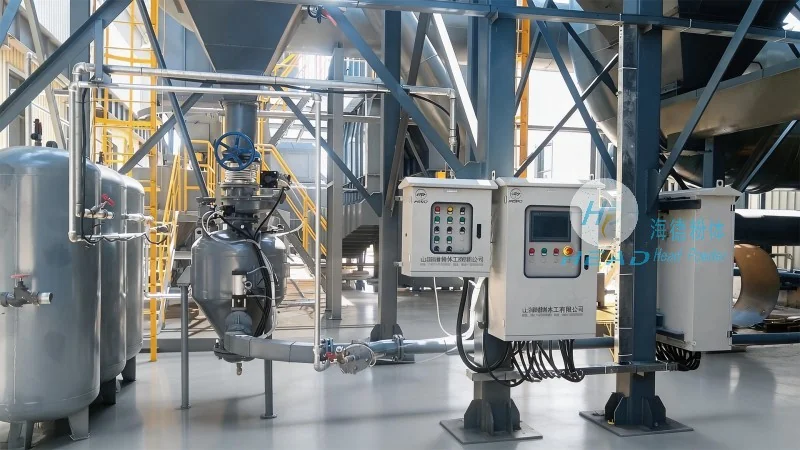
The operation process of a continuous material loading pneumatic conveying line involves several sequential steps. First, the bulk material is loaded into the feed hopper. The material is then fed into the conveying pipeline at a controlled rate, ensuring a consistent flow. The air compressor or blower generates the required airflow, which lifts and transports the material particles through the pipeline. The material is then discharged at the receiving end of the system, where it is collected in a storage bin or processing equipment. The control system continuously monitors the system parameters, such as pressure, flow rate, and material level, to adjust the operation as needed. This ensures that the system operates efficiently and safely, minimizing downtime and maximizing material throughput.
Advantages of Continuous Material Loading Pneumatic Conveying Lines
Continuous material loading pneumatic conveying lines offer several advantages over traditional mechanical conveying systems. These systems are highly flexible, allowing for easy integration into existing production lines and modifications to accommodate different material types or processing requirements. They also provide better hygiene and contamination control, which is crucial in industries such as food and pharmaceuticals. Additionally, pneumatic conveying systems can handle materials with varying particle sizes and shapes, including powders, granules, and even fine particles. The systems are also capable of transporting materials over long distances with minimal energy consumption compared to other methods. Furthermore, the continuous operation of these systems ensures a steady supply of material to downstream processes, improving overall production efficiency.
Applications and Industries
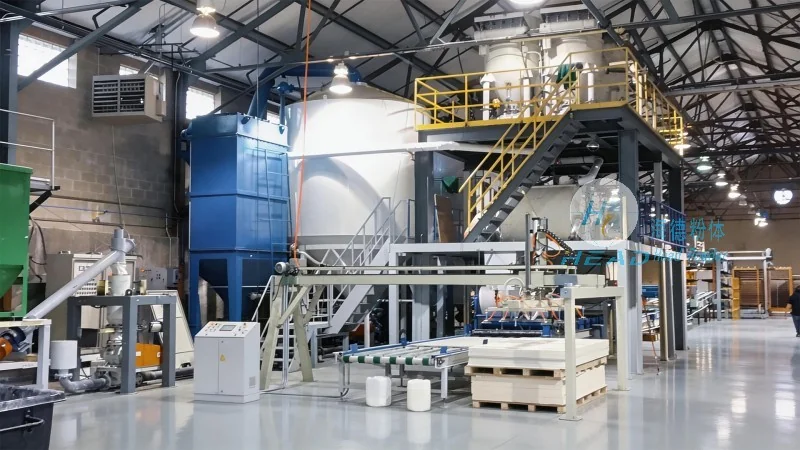
Continuous material loading pneumatic conveying lines are used in a wide range of industries and applications. In the food industry, these systems are used to transport ingredients such as flour, sugar, and spices from storage to processing equipment. In the pharmaceutical industry, they are used to convey raw materials and finished products, ensuring strict contamination control. In the chemical industry, they are used to transport powders and granules, including chemicals and catalysts. Other applications include the mining and mineral processing industries, where they are used to transport ore and other bulk materials. The versatility of these systems makes them suitable for various industrial needs, from small-scale operations to large-scale production facilities.
Maintenance and Operational Considerations
Maintaining the optimal performance of a continuous material loading pneumatic conveying line requires regular maintenance and proper operational considerations. Regular cleaning of the feed hopper, pipeline, and other components is essential to prevent material buildup and blockages. The air compressor or blower should be checked regularly for proper operation and maintenance to ensure consistent airflow. The control system should be calibrated and monitored to ensure accurate control of system parameters. Additionally, the system should be inspected for any signs of wear and tear, such as leaks or corrosion, and repaired or replaced as needed. Proper training of operators is also crucial to ensure safe and efficient operation of the system. By following these maintenance and operational guidelines, the system can operate reliably and efficiently, minimizing downtime and maximizing material throughput.




