Operation Process and Working Principle of Furfural Slag Powder Pneumatic Conveyor
Release time:2026-09-21 08:01:26
name of the company:Shandong Headpowder Engineering Co., Ltd.
telephone:156-6277-7102
contacts:Zhang manager
HeadPowder, a leading engineering solutions provider based in Shandong, China, specializes in the design and manufacturing of advanced pneumatic conveying systems. With a strong commitment to innovation and quality, the company has established itself as a trusted partner in the industrial sector, delivering efficient and reliable equipment for various material handling applications.
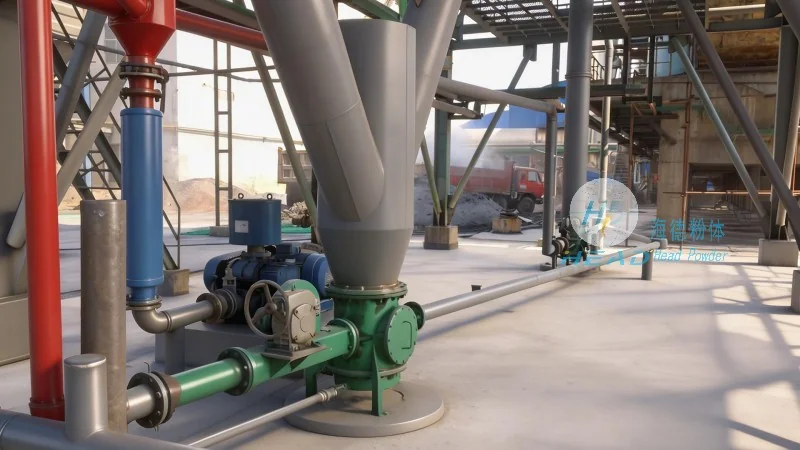
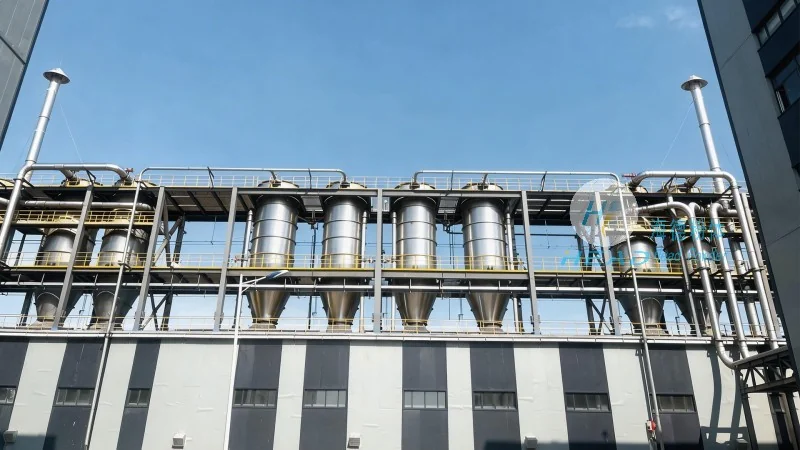
Furfural Slag Powder Pneumatic Conveyor: Overview
The Furfural Slag Powder Pneumatic Conveyor is a specialized piece of equipment engineered to handle the transportation of fine powders, such as furfural slag, which is a byproduct of the furfural production process. This conveyor system is designed to ensure safe, efficient, and low-dust operation, making it ideal for industrial settings where material transport needs to be both economical and environmentally friendly.
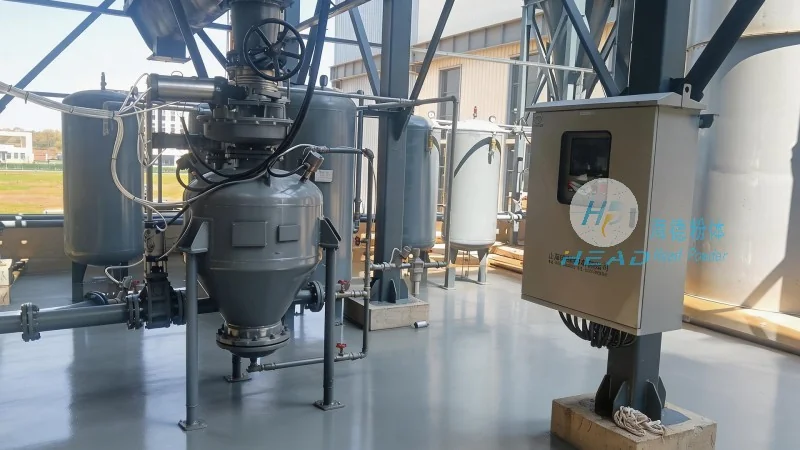
Operation Process of the Furfural Slag Powder Pneumatic Conveyor
The operation of the furfural slag powder pneumatic conveyor involves several key steps that ensure smooth and continuous material transport. Initially, the furfural slag powder is fed into the hopper of the conveyor system. The hopper is equipped with a feeding mechanism that controls the flow rate of the material, preventing overloading and ensuring consistent supply to the conveyor. Once the material is in the hopper, it is drawn into the conveying line by a high-pressure air stream generated by the blower unit. The air stream, combined with the material, forms a dense phase flow, which is then transported through the pipeline to the discharge point. At the discharge end, the material is separated from the air stream using a cyclone separator or a filter, and the air is either recirculated or released, depending on the system configuration. The entire process is automated, with sensors and control systems monitoring the flow rate, pressure, and other parameters to maintain optimal performance.
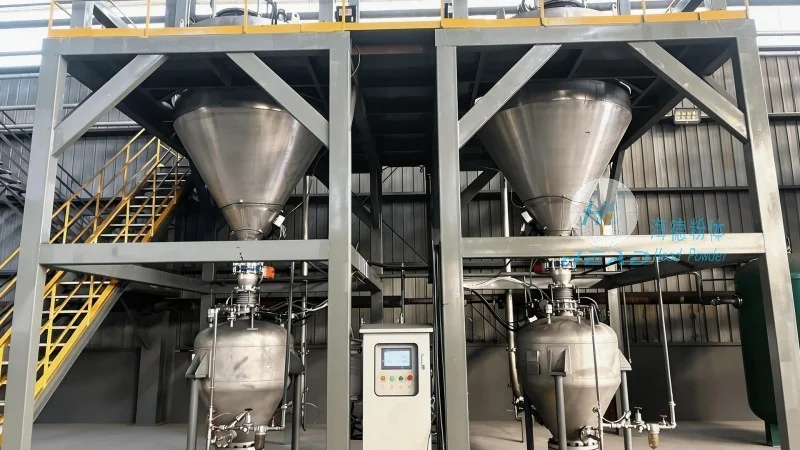
Working Principle of the Furfural Slag Powder Pneumatic Conveyor
The working principle of the furfural slag powder pneumatic conveyor is based on the principles of pneumatic conveying, which utilizes air or gas to transport solid particles. The system operates by creating a pressure differential between the inlet and outlet of the conveying line. The blower unit generates a high-pressure air flow that pulls the material from the hopper into the pipeline. The material is suspended in the air stream, forming a slurry-like mixture that moves through the pipeline. The design of the pipeline, including the use of bends, elbows, and straight sections, is optimized to minimize pressure loss and ensure efficient transport. The discharge mechanism at the end of the line separates the material from the air, allowing the material to be deposited in the desired location while the air is either filtered or recirculated back into the system. This closed-loop system helps in reducing dust emissions and improving overall operational efficiency.




