Wheat bran is a byproduct of the milling process, often used in animal feed, food additives, and other industrial applications. The efficient and reliable transportation of wheat bran powder is crucial for industrial operations, and pneumatic conveying systems have emerged as a preferred solution due to their ability to handle fine powders like wheat bran without the need for mechanical components that can cause contamination or wear. This article explores the operation process and working principle of a wheat bran powder pneumatic conveying machine, highlighting its key components, operational steps, and the benefits it offers in industrial settings.
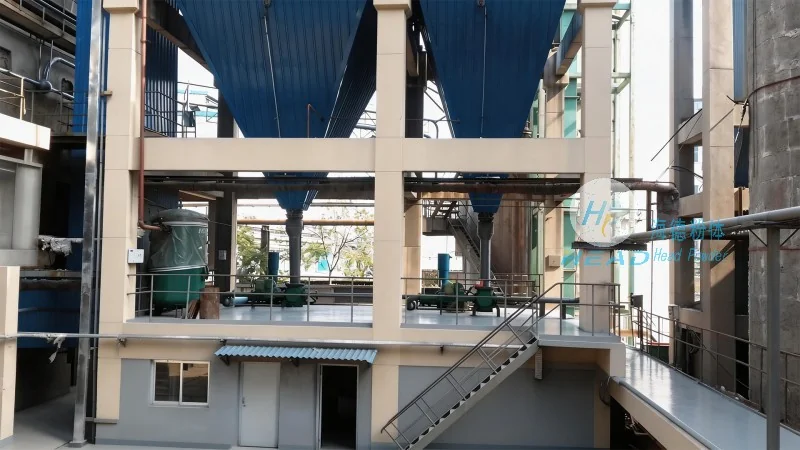
Key Components of the Wheat Bran Powder Pneumatic Conveying System
The wheat bran powder pneumatic conveying machine typically consists of several essential components that work in tandem to ensure smooth and efficient material transport. The primary components include a hopper for material storage, a rotary valve or feeder to control the flow of wheat bran, a pneumatic conveying line (often with a series of pipes and bends), a compressor or blower to generate the air flow, a filter system to capture dust and particles, and a discharge outlet for the conveyed material. Each component plays a critical role in the overall system's performance and reliability.
Working Principle of the Pneumatic Conveying Process
The operation of the wheat bran powder pneumatic conveying machine is based on the principle of using air to transport the wheat bran powder through a closed system. The process begins with the wheat bran being fed from the hopper into the rotary valve or feeder, which regulates the flow rate to maintain a consistent material supply. Simultaneously, the compressor or blower generates a high-pressure air stream that is introduced into the conveying line. As the air flows through the pipe, it creates a low-pressure zone that draws the wheat bran powder into the air stream, forming a slurry of powder and air. The mixture is then transported through the conveying line to the discharge point, where the air is separated from the powder and the powder is collected in the receiving container. The air, now filtered to remove any residual particles, is then discharged back into the system or to the atmosphere, completing the cycle.
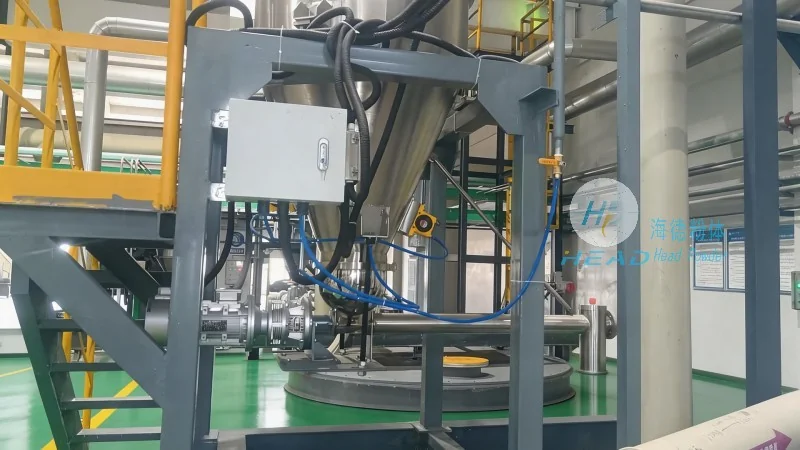
Operation Process: Step-by-Step Guide
The operation of the wheat bran powder pneumatic conveying machine follows a systematic process to ensure optimal performance and safety. Here is a step-by-step breakdown of the typical operation:
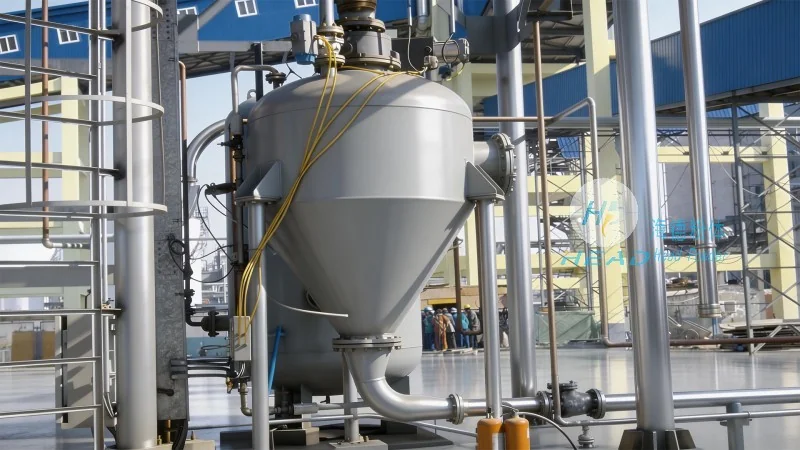
- Preparation and Setup: The system is prepared by ensuring all components are properly installed and connected. The hopper is filled with wheat bran, and the rotary valve or feeder is adjusted to the desired flow rate. The compressor or blower is started, and the air pressure is set to the appropriate level for the conveying line's length and material characteristics.
- Material Feeding: The rotary valve or feeder starts to feed the wheat bran into the conveying line at a controlled rate. The air flow from the compressor pulls the powder into the air stream, and the mixture begins to move through the system.
- Conveying and Transport: The wheat bran powder is transported through the conveying line, which may include bends, vertical sections, or horizontal runs, depending on the layout of the industrial facility. The air flow maintains the powder in suspension, preventing it from settling or clogging the pipes.
- Discharge and Collection: At the discharge end of the conveying line, the air and powder mixture enters a separator or filter system. The air is filtered to remove any fine particles, and the wheat bran powder is collected in a receiving hopper or container. The clean air is then discharged, completing the cycle.
- System Shutdown: When the conveying operation is complete, the system is shut down by first stopping the air flow from the compressor, then stopping the material feeding, and finally allowing the system to depressurize before any maintenance or cleaning is performed.
Benefits and Advantages of Using a Wheat Bran Powder Pneumatic Conveying Machine
Implementing a pneumatic conveying system for wheat bran powder offers several advantages over traditional mechanical conveying methods. These benefits include:
- Non-Contamination: The enclosed system prevents the wheat bran from coming into contact with external contaminants, ensuring the product remains clean and suitable for food or animal feed applications.
- Reduced Wear and Maintenance: Unlike mechanical conveyors with moving parts, pneumatic systems have fewer components that can wear out, resulting in lower maintenance costs and longer system life.
- Flexibility in Layout: The pneumatic conveying system can be easily adapted to different facility layouts, with the ability to convey materials over long distances and through multiple bends and vertical sections without the need for additional equipment.
- Energy Efficiency: Modern pneumatic conveying systems are designed to be energy-efficient, using only the necessary air pressure to transport the material, which reduces operational costs compared to other conveying methods.
About Shandong HeadPowder Engineering Co., Ltd.
Shandong HeadPowder Engineering Co., Ltd., commonly known as headpowder, is a leading manufacturer and supplier of industrial powder handling equipment. With a focus on innovation and quality, the company specializes in designing and manufacturing pneumatic conveying systems tailored to the specific needs of various industries, including food processing, animal feed, and chemical manufacturing. Headpowder's products are known for their reliability, efficiency, and adherence to industry standards, making them a trusted choice for businesses seeking to optimize their powder handling operations. The company's headquarters is located in Shandong, China, where it continues to develop advanced solutions for the global market.




