For industrial applications involving the handling of potassium sulfate powder, a pneumatic conveying line is a critical system designed to transport the material efficiently and safely. This technology is widely used in the chemical and fertilizer industries, particularly in facilities that process potassium sulfate, ensuring smooth material flow from storage to processing units. The following content provides an in-depth look at the operation process and working principle of such a system, highlighting the key components and operational steps involved.
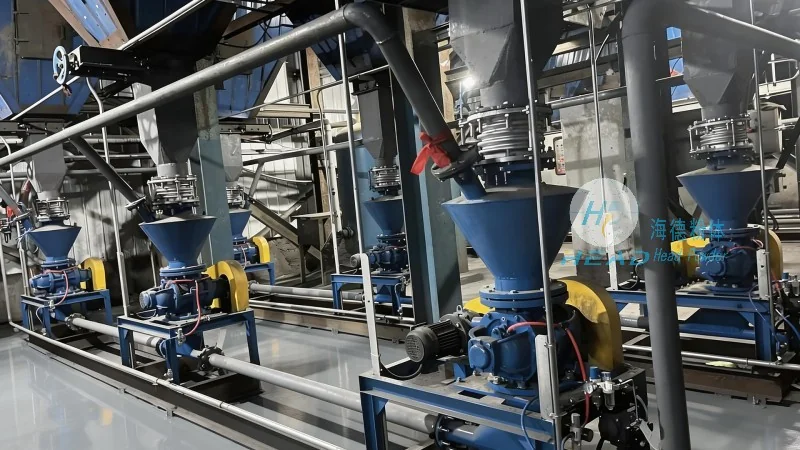
Introduction to Potassium Sulfate Powder Pneumatic Conveying Line
A pneumatic conveying line for potassium sulfate powder is a closed system that utilizes compressed air to move the dry powder through a network of pipes. This method offers several advantages over traditional mechanical conveying, such as reduced dust exposure, minimal product contamination, and the ability to handle materials that are difficult to transport via conventional means. The system is typically integrated into the production line of Shandong HeadPowder Engineering Co., Ltd., a company based in China, which specializes in engineering solutions for powder handling and processing.
Working Principle of the Pneumatic Conveying System
The core working principle of the potassium sulfate powder pneumatic conveying line is based on the use of air as a medium to transport the powder. The system operates by creating a pressure differential between the inlet and outlet of the conveying line. A high-pressure fan or blower generates the necessary airflow, which then pulls the potassium sulfate powder from the storage hopper or silo into the conveying pipeline. The powder is suspended in the air stream and carried through the system until it reaches the destination point, such as a processing unit or a storage silo. The system includes components like a rotary valve for controlled material discharge, a filter to remove dust from the air, and a pressure regulator to maintain consistent airflow.
Operation Process of the Potassium Sulfate Powder Pneumatic Conveying Line
The operation process of the system begins with the preparation phase, where the system is checked for proper functioning and all components are ensured to be in good condition. The compressed air supply is turned on, and the fan is started to establish the required airflow. The rotary valve at the material inlet is then opened, allowing the potassium sulfate powder to be drawn into the pipeline. As the powder is conveyed, it travels through the pipeline network, which may include bends, elbows, and straight sections, all designed to maintain the air-powder mixture's stability. At the destination point, the material is discharged into a receiving hopper or silo, and the air is filtered and returned to the system or released safely. The entire process is automated to ensure consistent and reliable material transport, minimizing human intervention and reducing the risk of errors.
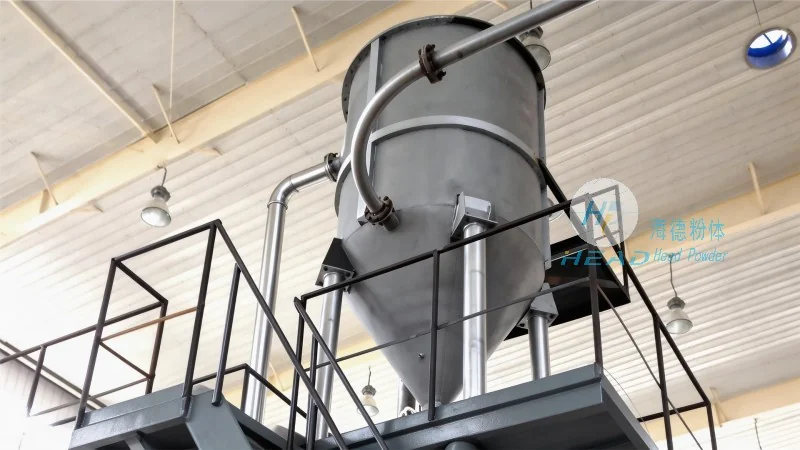
Key Components and Their Functions
The pneumatic conveying line for potassium sulfate powder consists of several key components, each playing a crucial role in the system's operation. The primary components include:
- Compressed Air System: This includes the fan or blower, which generates the necessary airflow to transport the powder. The system is designed to provide consistent pressure and volume of air to maintain stable conveying conditions.
- Rotary Valve: Located at the material inlet, this device controls the flow of potassium sulfate powder into the conveying line. It ensures a controlled and continuous feed of material, preventing blockages and maintaining system efficiency.
- Conveying Pipeline: The network of pipes that transports the air-powder mixture from the inlet to the outlet. The pipes are typically made of materials resistant to corrosion and wear, such as stainless steel or plastic, to ensure durability and prevent contamination.
- Separation and Collection Equipment: At the receiving end, a separator or cyclone is used to separate the powder from the air stream. The separated powder is collected in a hopper or silo, while the air is filtered and either recirculated or released.
- Air Filter and Dust Collection System: This component is essential for maintaining air quality and ensuring compliance with environmental regulations. It removes dust particles from the air before it is returned to the system or released into the environment.
Each component is carefully designed and integrated to work in harmony, ensuring the efficient and safe transport of potassium sulfate powder. The system is engineered to handle the specific characteristics of potassium sulfate, such as its particle size, density, and flowability, to optimize performance.
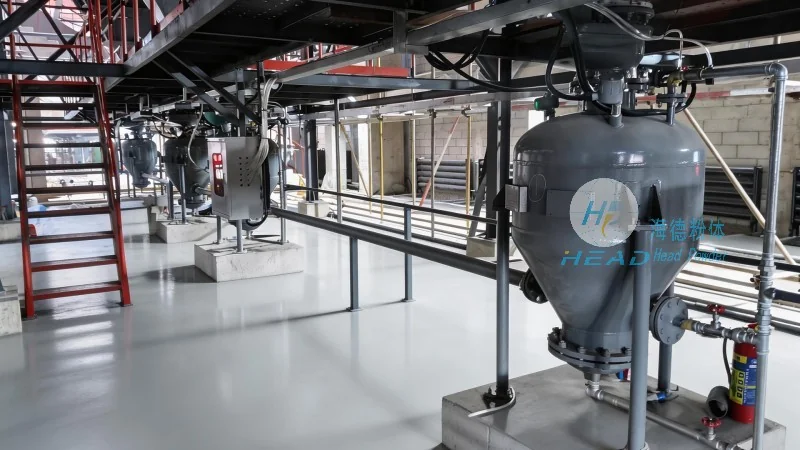
Advantages of Using a Pneumatic Conveying Line for Potassium Sulfate
Implementing a pneumatic conveying line for potassium sulfate powder offers several significant advantages over traditional conveying methods. These include:
- Efficiency and Speed: The system can transport large quantities of powder quickly and reliably, reducing production downtime and increasing overall throughput.
- Reduced Dust and Contamination: The closed system minimizes dust exposure, protecting workers and preventing product contamination, which is critical for maintaining product quality.
- Flexibility and Scalability: The system can be easily expanded or modified to accommodate changes in production volume or process requirements, making it a versatile solution for growing businesses.
- Energy Efficiency: Modern pneumatic conveying systems are designed to be energy-efficient, using less power compared to traditional mechanical conveying methods while maintaining high performance.
- Environmental Compliance: The system helps companies meet environmental regulations by reducing dust emissions and improving air quality, contributing to a safer and more sustainable operation.
Maintenance and Operational Tips
To ensure the long-term reliability and efficiency of the potassium sulfate powder pneumatic conveying line, regular maintenance and proper operational practices are essential. Key maintenance tasks include:
- Regular Cleaning: The system should be cleaned regularly to remove accumulated powder and prevent blockages in the pipes and components.
- Filter Maintenance: The air filter and dust collection system should be inspected and replaced as needed to maintain air quality and prevent system failure.
- Component Inspection: The fan, rotary valve, and other critical components should be inspected periodically for wear and tear, and replaced if necessary to avoid system breakdowns.
- System Monitoring: Monitoring the pressure, airflow, and temperature of the system can help identify potential issues early, allowing for timely maintenance and preventing costly downtime.
By following these maintenance tips and adhering to proper operational procedures, the pneumatic conveying line can operate at peak performance, ensuring consistent and reliable transport of potassium sulfate powder. This not only enhances production efficiency but also contributes to the overall safety and sustainability of the operation.




