Shandong HeadPowder Engineering Co., Ltd. specializes in designing and manufacturing advanced bulk bag unloading station material pneumatic conveying systems. These systems are widely used in industries such as chemicals, food, pharmaceuticals, and minerals processing, where efficient handling of bulk materials is critical. The bulk bag unloading station pneumatic conveying line is a specialized industrial system designed to transfer bulk materials from bulk bags into processing equipment or storage containers. This system integrates several key components, including a bulk bag unloader, a pneumatic conveying pipeline, and a control system, working together to ensure safe, reliable, and automated material transfer. The operation process involves multiple stages, from the initial unloading of the bulk bag to the final discharge of the material into the target vessel. Understanding the working principle and operational steps is crucial for optimizing performance and maintaining system efficiency.
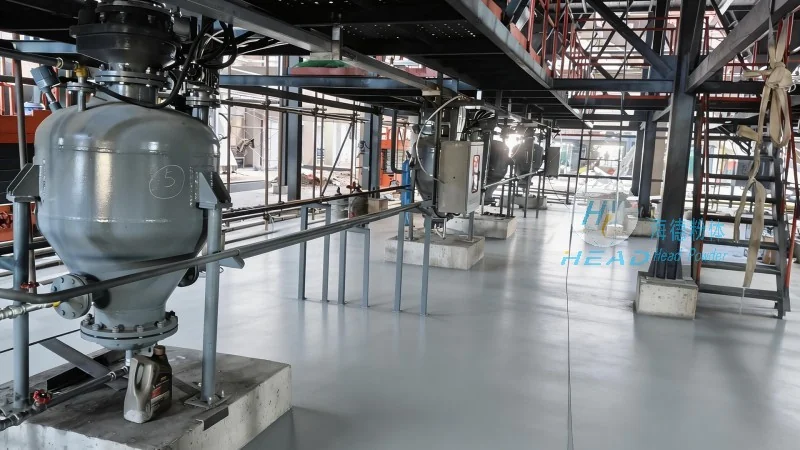
Key Components of the Pneumatic Conveying Line
The pneumatic conveying line for bulk bag unloading typically consists of several critical components that work in coordination. The primary components include the bulk bag unloader, which is responsible for opening the bag and releasing the material, the conveying pipeline that transports the material through the system, the air compressor or vacuum pump that provides the necessary air pressure or suction, and the control panel that manages the entire process. Each component plays a vital role in ensuring the smooth and safe operation of the system. The bulk bag unloader may feature a hopper with a discharge valve or a rotary valve to control the flow of material. The conveying pipeline is usually made of stainless steel or other corrosion-resistant materials to handle various types of bulk materials. The air compressor ensures a consistent flow of air, while the control system allows operators to monitor and adjust the process parameters as needed. The integration of these components is essential for achieving high throughput and minimal material loss during the conveying process.
Operation Process of the Bulk Bag Unloading Station
The operation process of the bulk bag unloading station begins with the placement of a bulk bag on the unloader's frame. The bag is then secured in place, and the unloader's hopper is positioned over the bag's opening. The first step is to open the bulk bag, which may involve cutting the bag's top or using a specialized opening device. Once the bag is opened, the material inside is allowed to flow into the hopper. The hopper is equipped with a discharge valve or rotary valve that controls the rate of material release. The material then enters the pneumatic conveying pipeline, where it is carried by the air flow. The air compressor generates the necessary pressure or suction to move the material through the pipeline. The material travels through the pipeline to the discharge point, which is typically a storage silo or processing equipment. The control system monitors the pressure, flow rate, and material level in real-time, ensuring that the process runs smoothly and safely. The entire operation is automated, with the control panel allowing operators to start, stop, or adjust the process as required. This automation reduces the risk of human error and improves the overall efficiency of the system.
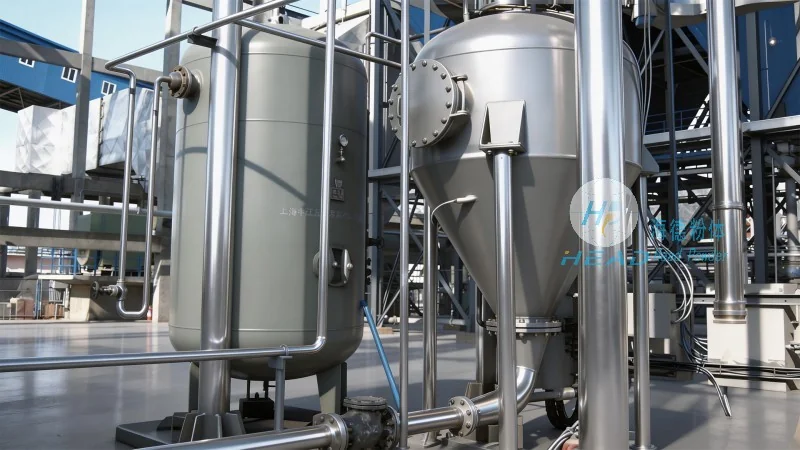
Working Principle of Pneumatic Conveying
The working principle of the pneumatic conveying line is based on the movement of material particles suspended in a stream of air. There are two main types of pneumatic conveying systems: pressure conveying and vacuum conveying. In pressure conveying, the air compressor provides compressed air that pushes the material through the pipeline. The material is carried in the air stream, and the pressure difference between the inlet and outlet of the pipeline ensures the material moves forward. In vacuum conveying, a vacuum pump creates a negative pressure that draws the material from the bulk bag into the pipeline. The material is then carried by the suction of the air stream to the discharge point. The choice between pressure and vacuum conveying depends on the material characteristics, such as particle size, density, and moisture content, as well as the distance and layout of the conveying system. The working principle also involves the use of various components, such as cyclones, filters, and separators, to separate the material from the air and prevent blockages in the pipeline. These components are essential for maintaining the efficiency and reliability of the system.
Advantages of the Bulk Bag Unloading Station Pneumatic Conveying Line
The bulk bag unloading station pneumatic conveying line offers several advantages over traditional material handling methods. One of the main advantages is the ability to handle large volumes of bulk materials efficiently and safely. The system can process up to several tons of material per hour, depending on the design and capacity of the equipment. Another advantage is the reduced risk of material contamination and dust exposure, as the material is contained within the pipeline and the unloader. This is particularly important in industries where material purity is critical, such as pharmaceuticals and food processing. The system also minimizes material loss and spillage, as the bulk bag is fully emptied and the material is transferred directly into the target vessel. Additionally, the automated operation of the system reduces labor costs and improves worker safety by minimizing manual handling of heavy bags. The system is also flexible and can be easily integrated with existing processing equipment, allowing for seamless material flow from unloading to processing. Overall, the bulk bag unloading station pneumatic conveying line provides a reliable and efficient solution for bulk material handling in various industrial applications.
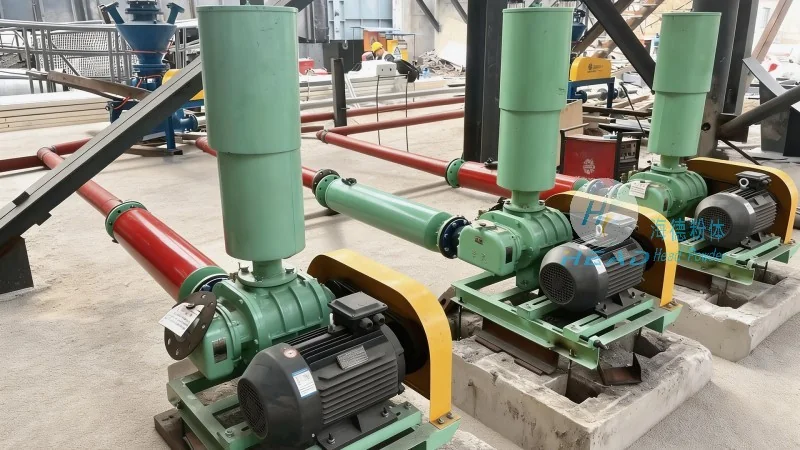
Applications and Industries
The bulk bag unloading station pneumatic conveying line is widely used in a variety of industries that require the handling of bulk materials. In the chemical industry, the system is used to transfer powders and granules for processing, such as in the production of fertilizers, plastics, and pharmaceuticals. In the food industry, the system is used to handle ingredients like flour, sugar, and spices, ensuring that the materials are transferred without contamination and with minimal loss. The pharmaceutical industry also relies on this system to handle active pharmaceutical ingredients (APIs) and other sensitive materials, where purity and safety are paramount. In the minerals processing industry, the system is used to transfer raw materials such as ores and minerals from bulk bags to processing equipment, such as crushers and mills. The system is also used in the agricultural industry to handle bulk feed and fertilizer, improving the efficiency of material handling in farms and processing facilities. The versatility of the system makes it suitable for a wide range of applications, from small-scale operations to large industrial plants.
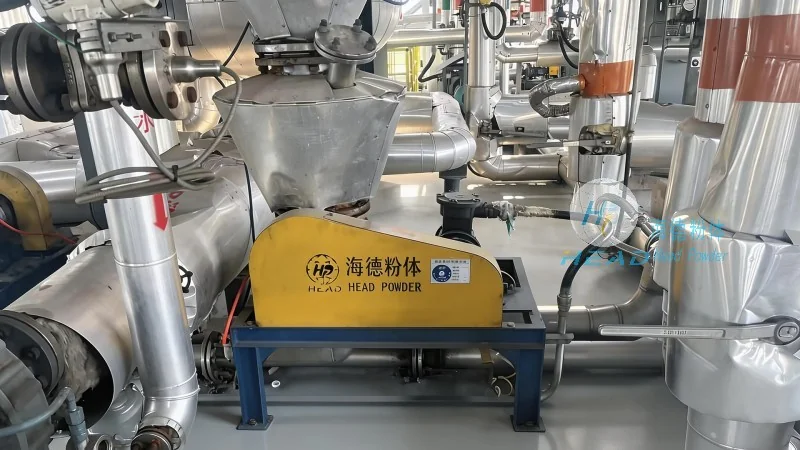
Maintenance and Safety Considerations
Maintaining the bulk bag unloading station pneumatic conveying line is essential for ensuring its long-term performance and reliability. Regular maintenance includes checking the condition of the bulk bag unloader, ensuring that the conveying pipeline is free of blockages, and inspecting the air compressor and control system for any signs of wear or damage. The hopper and discharge valve should be cleaned regularly to prevent material buildup and ensure smooth operation. The filters and cyclones should also be checked and replaced as needed to maintain air quality and prevent dust accumulation. Safety considerations are also critical when operating the system. The system should be equipped with safety features such as pressure relief valves, emergency stop buttons, and interlocks to prevent accidents. Operators should be trained on the proper operation and maintenance of the system to minimize the risk of injury or equipment damage. Additionally, the system should be inspected regularly for any signs of wear or damage, and any issues should be addressed promptly to prevent system failure. By following proper maintenance and safety procedures, the bulk bag unloading station pneumatic conveying line can operate efficiently and safely for many years.
Conclusion
The bulk bag unloading station material pneumatic conveying line is a highly efficient and reliable system for handling bulk materials. The operation process involves several stages, from the initial unloading of the bulk bag to the final discharge of the material into the target vessel. The working principle is based on the movement of material particles suspended in a stream of air, with pressure or vacuum conveying depending on the material characteristics and system design. The system offers several advantages, including high throughput, reduced material loss, and improved worker safety. It is widely used in industries such as chemicals, food, pharmaceuticals, and minerals processing. Proper maintenance and safety considerations are essential for ensuring the long-term performance and reliability of the system. By understanding the operation process and working principle of the system, operators can optimize its performance and maximize its benefits in their industrial applications.




