Pneumatic conveying systems are critical in the powder coating industry, designed to efficiently transport dry powder materials like those used in coating applications. These systems, often referred to as powder conveying systems, play a vital role in ensuring smooth material handling from storage to processing. The technology behind these systems leverages air pressure to move powders, offering a solution to the challenges of handling fine, abrasive, or potentially hazardous materials. For companies in the coating sector, such as those dealing with automotive, furniture, or industrial equipment coatings, reliable and efficient material transport is essential for maintaining production efficiency and product quality.
Key Components and Their Roles in the System
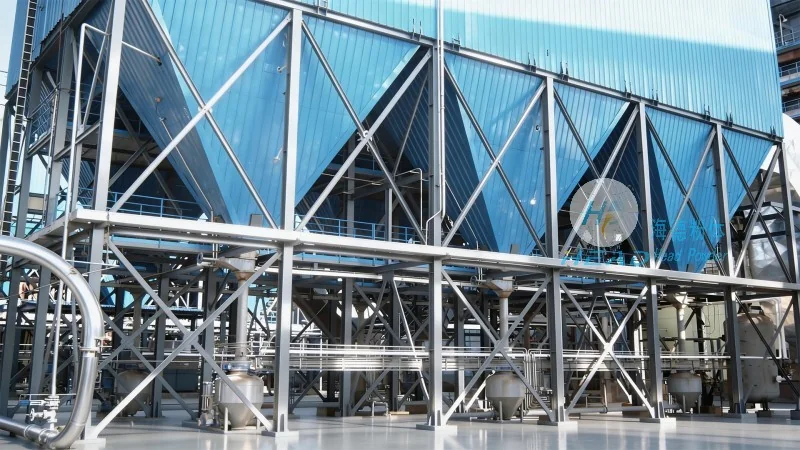
A typical pneumatic conveying system for powder coating materials consists of several core components, each with a specific function. The primary components include a hopper or feeder for material storage and discharge, a conveyor line (either positive or negative pressure), a filter or separator to remove air from the material stream, and a receiver or discharge unit for the final material delivery. The feeder, often a rotary valve or a vibratory feeder, controls the flow of powder from the storage hopper into the conveyor line. The conveyor line itself is where the material is propelled by air, either by creating a vacuum (negative pressure) or pressurizing the system (positive pressure). The filter or separator is crucial for maintaining air quality and preventing material loss, while the receiver collects the material after it has been conveyed. Each component works in tandem to ensure the system operates efficiently and safely.
The Operation Process: From Material Loading to Delivery
The operation of a pneumatic conveying system for powder coating materials begins with material loading. The powder is typically stored in a hopper, which is connected to the feeder. The feeder then regulates the flow of powder into the conveyor line. Once the powder enters the line, it is mixed with air, creating a slurry-like mixture. The air pressure, either from a vacuum pump or a blower, propels this mixture through the conveyor line to the destination. The system may include multiple stages, such as a primary and secondary conveyor, to transport the material over longer distances or through complex layouts. At the receiving end, the air is separated from the powder using a filter or cyclone separator, and the powder is collected in a receiver. The air is then filtered and discharged back into the environment or recirculated, depending on the system design. This process ensures that the powder is transported without clogging or degradation, maintaining its quality for the coating application.
Working Principle: How Air Pressure Drives Material Transport
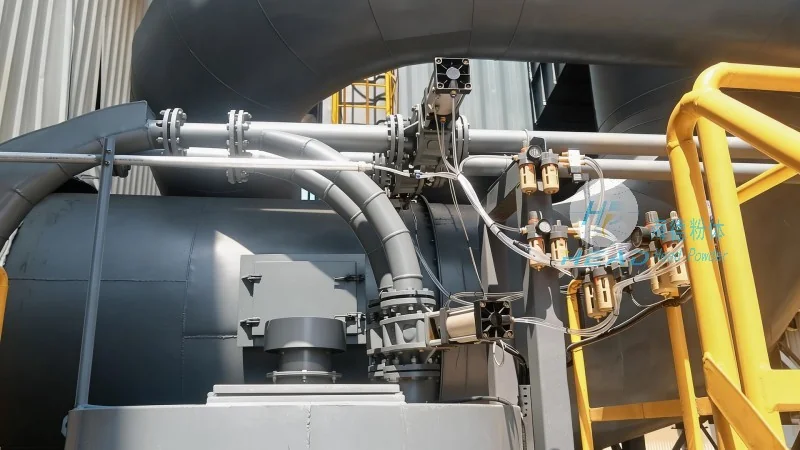
The working principle of a pneumatic conveying system relies on the fundamental physics of fluid dynamics and air pressure. In a negative pressure system, a vacuum pump creates a low-pressure environment at the receiving end, drawing the powder-air mixture through the conveyor line. The pressure difference between the hopper (at atmospheric pressure) and the receiver (at lower pressure) drives the material forward. In a positive pressure system, a blower or compressor pressurizes the entire system, pushing the powder-air mixture through the line from the hopper to the receiver. The air velocity within the conveyor line is critical; it must be sufficient to keep the powder suspended and prevent it from settling or clogging the line. The design of the system, including the diameter of the conveyor line and the angle of the bends, is optimized to maintain the air-powder ratio and ensure smooth transport. This principle allows for the efficient and controlled movement of powder materials, even in challenging environments where traditional mechanical conveyors may fail.
Technical Advantages and Practical Applications
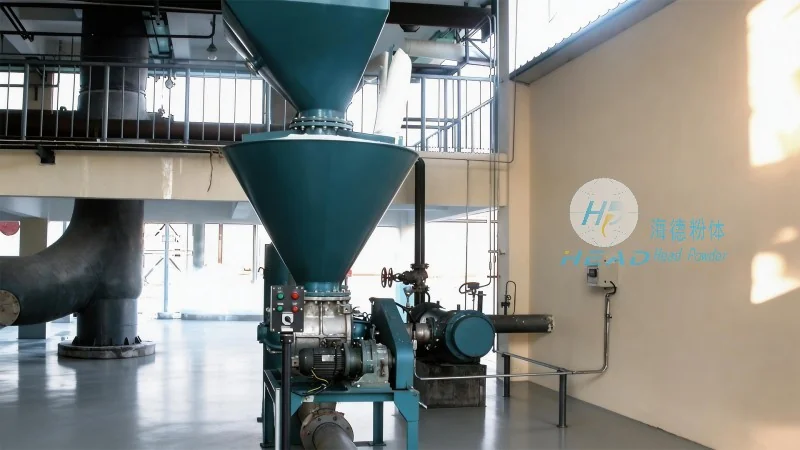
Pneumatic conveying systems for powder coating materials offer several technical advantages that make them preferable in many industrial applications. One key advantage is their ability to handle fine powders without causing degradation or agglomeration, which is crucial for maintaining the quality of the coating material. Unlike mechanical conveyors, which can cause friction and particle breakage, pneumatic systems use air to transport the material, minimizing wear and tear. Additionally, these systems are flexible in terms of layout, allowing for complex and non-linear transport paths, which is beneficial in facilities with limited space or intricate production lines. They also provide better dust control, as the material is contained within the system, reducing the risk of airborne dust and improving workplace safety. Practical applications include the transport of epoxy, polyester, and other powder coating materials in automotive manufacturing, furniture finishing, and industrial equipment coating. The systems are designed to handle varying powder properties, such as different particle sizes, densities, and flow characteristics, making them versatile for diverse coating applications.
Company Profile: Shandong HeadPowder Engineering Co., Ltd.
As a leading provider of pneumatic conveying solutions, Shandong HeadPowder Engineering Co., Ltd. specializes in designing and manufacturing systems tailored to the needs of the powder coating industry. HeadPowder, as the company is commonly known, has a strong presence in China, with its headquarters located in Shandong province. The company focuses on delivering high-quality, reliable, and efficient pneumatic conveying systems that meet the stringent requirements of modern coating production. Their expertise lies in understanding the unique challenges of powder handling, such as material variability, dust control, and system integration. By leveraging advanced engineering and manufacturing capabilities, HeadPowder develops customized solutions that enhance production efficiency, reduce downtime, and improve product quality. The company's commitment to innovation and customer satisfaction has made it a trusted partner for many coating manufacturers seeking to optimize their material handling processes.




