HeadPowder, a leading provider of material handling solutions, specializes in the design, manufacturing, and implementation of pneumatic conveying systems for ceramic powders. This article explores the operational process and underlying principles of such systems, highlighting key components, flow mechanisms, and practical applications in industrial settings.
Key Components of Pneumatic Conveying Systems
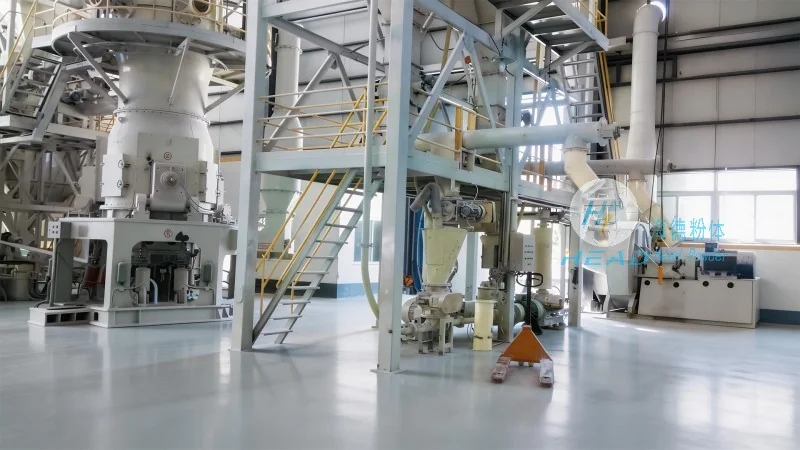
The core components of a pneumatic conveying system for ceramic powders include the hopper, feeder, air compressor, pipeline network, and receiver. The hopper serves as the storage vessel, holding the ceramic powder in a controlled environment. The feeder, typically a rotary valve or screw feeder, regulates the material flow into the system. The air compressor generates the necessary pressure to move the powder through the pipeline. The pipeline network transports the powder and air mixture, while the receiver collects the conveyed material at the destination. Each component plays a critical role in ensuring efficient and reliable material transport.
Working Principle of Pneumatic Conveying
Pneumatic conveying operates on the principle of transporting solid particles using a gas stream. In the case of ceramic powders, the system uses compressed air to create a flow that carries the powder particles through the pipeline. There are two primary modes of pneumatic conveying: dilute phase and dense phase. Dilute phase systems use higher air velocities to suspend the powder in the air stream, suitable for longer distances and larger volumes. Dense phase systems, on the other hand, use lower air velocities to form a slurry-like mixture, ideal for delicate or abrasive materials like ceramic powders. The choice between these modes depends on the specific characteristics of the material and the application requirements.
Operation Process of Ceramic Powder Pneumatic Conveying
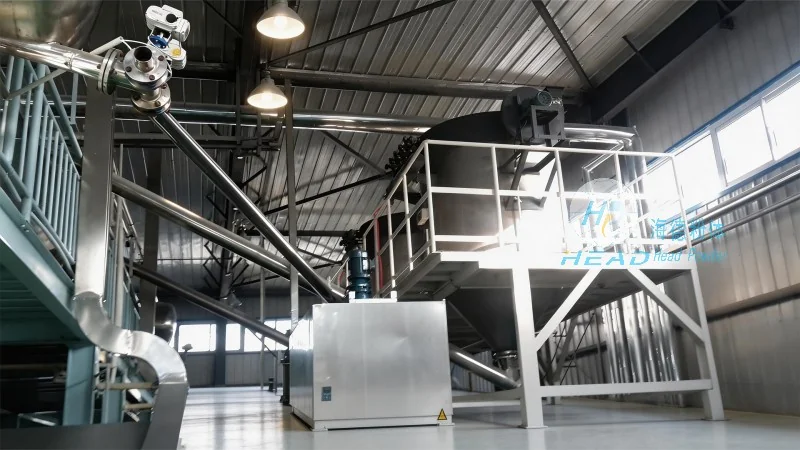
The operational process begins with the loading of ceramic powder into the hopper. The feeder then controls the discharge rate, ensuring a consistent flow into the pipeline. The air compressor supplies compressed air, which is introduced into the pipeline at the inlet of the hopper. As the air flows through the pipeline, it entrains the powder particles, forming a mixture that travels to the receiver. The receiver, equipped with a filter or separator, separates the powder from the air, allowing the powder to be collected in a container. The air, now filtered, is either vented to the atmosphere or recirculated back to the system, depending on the design. This continuous cycle ensures efficient and uninterrupted material transport from the source to the destination.
Advantages of Pneumatic Conveying for Ceramic Powders
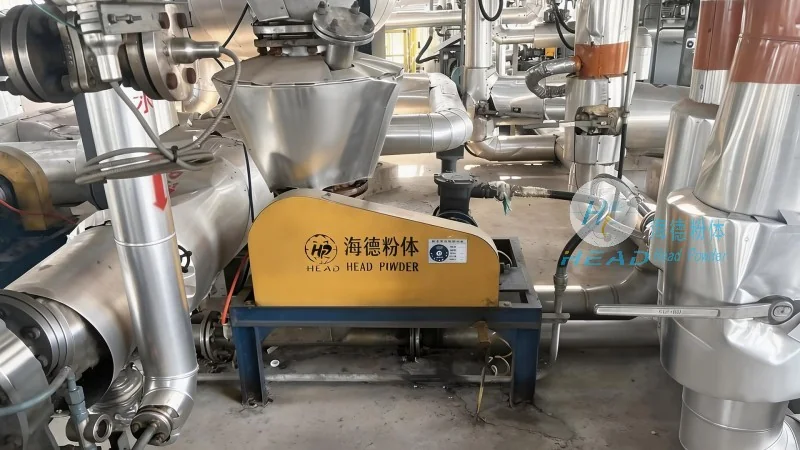
Utilizing pneumatic conveying for ceramic powders offers several advantages over traditional methods such as belt conveyors or bucket elevators. Firstly, it provides a closed system, minimizing dust emissions and ensuring a clean working environment. This is particularly important for ceramic powders, which can be fine and potentially hazardous if released into the air. Secondly, pneumatic systems offer flexibility in layout, as the pipeline can be installed in various configurations, including vertical, horizontal, or inclined paths. This allows for integration into existing industrial setups without major structural modifications. Thirdly, the system is highly efficient in terms of energy consumption and material handling speed, reducing operational costs and increasing productivity. Additionally, it can handle a wide range of particle sizes and densities, making it suitable for diverse ceramic powder applications.
Applications in Industrial Settings
Ceramic powder pneumatic conveying systems are widely used in various industrial sectors, including ceramics manufacturing, pharmaceuticals, food processing, and chemical industries. In ceramics manufacturing, these systems are crucial for transporting raw materials such as clay, feldspar, and quartz to production lines. They ensure a consistent supply of materials, which is essential for maintaining product quality and reducing downtime. In the pharmaceutical industry, pneumatic conveying is used to transport fine powders like active pharmaceutical ingredients (APIs) and excipients, maintaining strict contamination control. Similarly, in food processing, it helps in handling food-grade powders, ensuring hygiene and preventing cross-contamination. The versatility of pneumatic conveying makes it an indispensable tool in modern industrial operations.




