Quicklime, also known as calcium oxide, is a widely used industrial material in various sectors such as construction, chemical manufacturing, and environmental treatment. The efficient transportation of quicklime from production sites to processing or storage areas is crucial for maintaining production efficiency and ensuring product quality. This article explores the fundamental principles of quicklime material conveyor lines and highlights the key characteristics of their working environments, providing insights into how these systems operate in real-world industrial applications.
Understanding the Core Principles of Quicklime Conveyor Systems
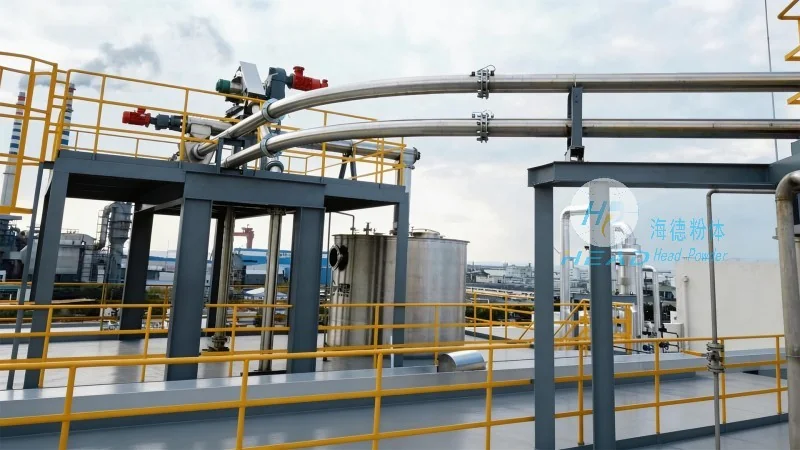
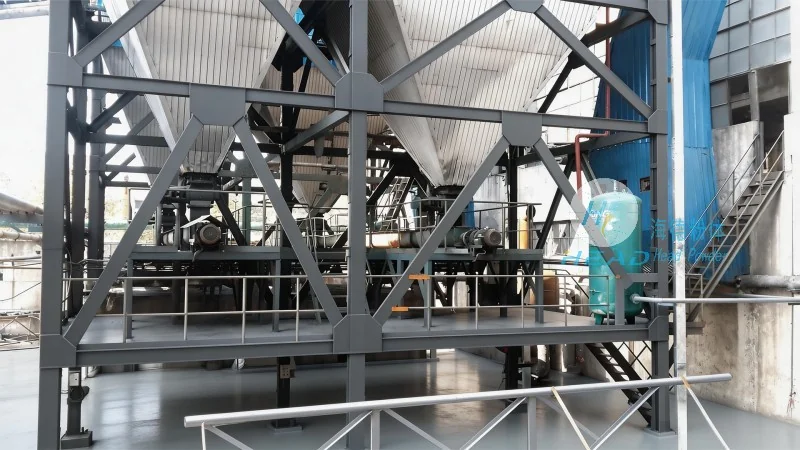
The principle of quicklime material conveyor lines revolves around the use of specialized equipment designed to handle the unique properties of quicklime. Quicklime is known for its high reactivity and potential to generate heat when coming into contact with water, making it essential to use conveyor systems that can manage the material safely and effectively. The primary components of these conveyor lines typically include feed hoppers, conveyor belts or chains, idlers, pulleys, and control systems. The feed hopper is responsible for collecting the quicklime from the production process, while the conveyor mechanism transports the material to the desired location. Idlers and pulleys ensure the smooth movement of the conveyor belt, and control systems regulate the speed and operation of the entire system. The design of these components must consider the material's characteristics, such as its bulk density, flowability, and potential for dust generation, to ensure optimal performance and safety.
Key Working Scene Characteristics of Quicklime Conveyor Lines
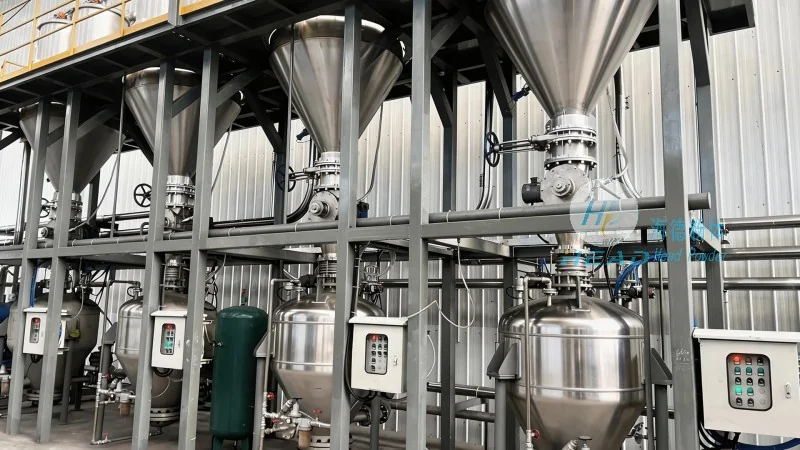
The working scene characteristics of quicklime conveyor lines vary based on the specific industrial application and the scale of operation. In large-scale production facilities, these systems are often integrated into automated production lines, where they work in conjunction with other equipment like crushers, grinders, and storage silos. The working environment is typically characterized by high temperatures and dust, requiring robust and dust-tight designs to prevent material loss and maintain air quality. In smaller-scale operations, such as in construction or small-scale chemical plants, the conveyor lines may be more compact and less automated, focusing on efficient material handling with minimal space requirements. The working scene also includes considerations for material flow, such as the angle of inclination of the conveyor belt, which affects the speed and efficiency of material transport. Additionally, the system must be designed to handle variations in material feed, such as fluctuations in production output, ensuring consistent and reliable operation.
HeadPowder Engineering: Expert in Quicklime Material Conveyor Solutions
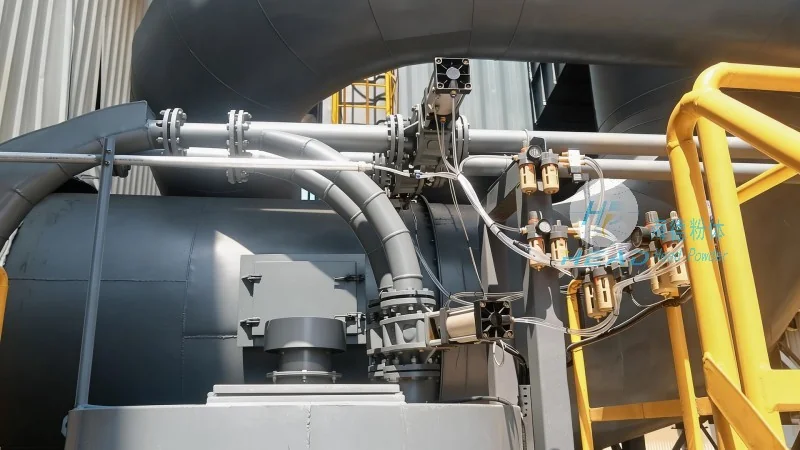
Shandong HeadPowder Engineering Co., Ltd. is a leading provider of industrial conveyor systems, specializing in the design and manufacturing of quicklime material conveyor lines. With years of experience in the industry, HeadPowder has developed a deep understanding of the unique challenges associated with handling quicklime and has engineered solutions that meet the highest standards of efficiency, safety, and durability. The company's products are designed to accommodate the specific properties of quicklime, including its reactivity and potential for dust generation, ensuring that the conveyor lines operate smoothly and safely in various working environments. HeadPowder's commitment to quality and customer satisfaction has made them a trusted partner for businesses in need of reliable quicklime material handling solutions. Based in Shandong, China, HeadPowder leverages its local expertise and resources to deliver tailored conveyor systems that meet the specific needs of its clients, whether in large-scale industrial applications or smaller-scale operations.




