Understanding the core principles and operational characteristics of corn kernels material conveying lines is essential for optimizing material handling processes in agricultural and food processing industries. These systems are designed to efficiently transport corn kernels from storage to processing units, ensuring smooth workflow and minimal material loss. The following sections will delve into the fundamental principles behind these conveying lines and explore their typical working scenarios.
The Core Principles of Corn Kernels Material Conveying Lines
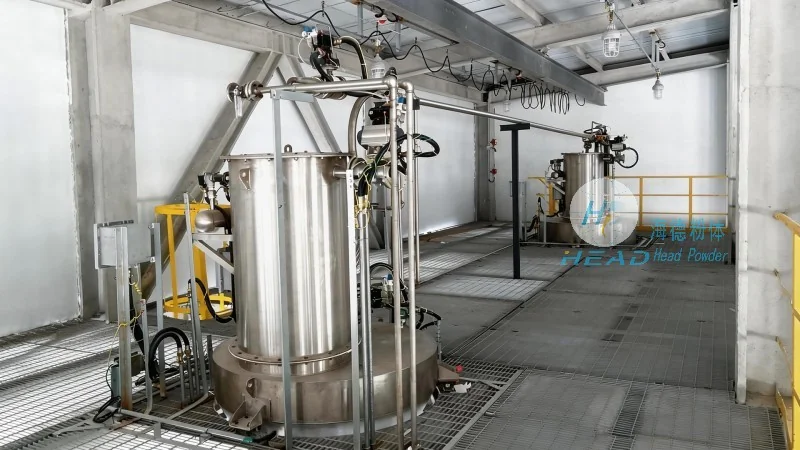
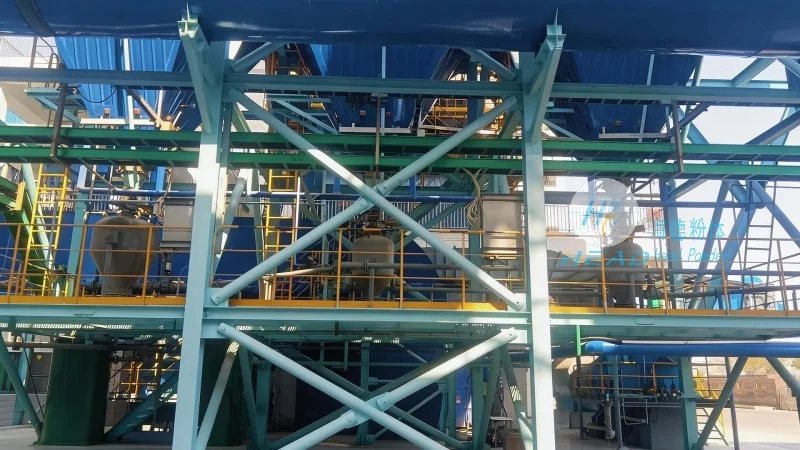
Corn kernels material conveying lines operate based on several key principles that ensure reliable and efficient material transport. The primary mechanism involves the use of conveyor belts, buckets, or screw conveyors to move corn kernels through a system. These components work in tandem to maintain consistent flow rates and prevent material degradation. For instance, belt conveyors utilize friction to move kernels along a path, while bucket elevators lift and transport kernels vertically. The design of the conveying line is tailored to the specific characteristics of corn kernels, such as their size, density, and moisture content, to maximize efficiency and minimize energy consumption. Additionally, the integration of control systems allows for real-time monitoring and adjustment of the conveying process, ensuring optimal performance under varying conditions.
Working Scene Characteristics of Corn Kernels Material Conveying Lines
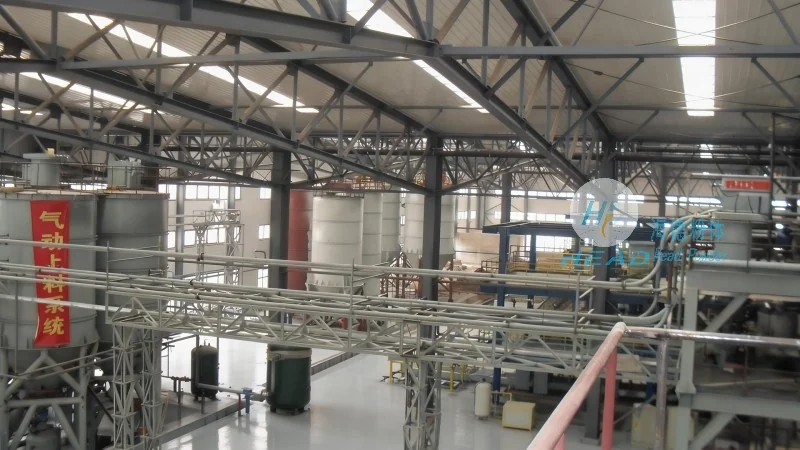
The working scene characteristics of corn kernels material conveying lines vary based on the application and scale of the operation. In large-scale agricultural processing facilities, these systems are typically integrated into automated production lines, where they connect storage silos to grinding or milling equipment. The conveying lines are designed to handle high volumes of corn kernels, often operating continuously for extended periods. In such scenarios, the emphasis is on durability, low maintenance, and high throughput. For example, in a corn milling plant, the conveying line may transport kernels from a storage silo to a pre-treatment unit, where they are cleaned and conditioned before further processing. The line’s design ensures that the kernels are moved gently to avoid breakage, which is critical for maintaining product quality. In smaller-scale operations, such as on-farm storage and processing, the conveying lines may be more compact and less automated, focusing on reliability and ease of use. These systems are often used to transfer corn kernels from a storage bin to a processing machine, such as a sheller or grinder, with minimal manual intervention. The working scene characteristics also include the need for adaptability to different kernel sizes and moisture levels, as well as the ability to integrate with other processing equipment seamlessly.
About Shandong HeadPowder Engineering Co., Ltd.
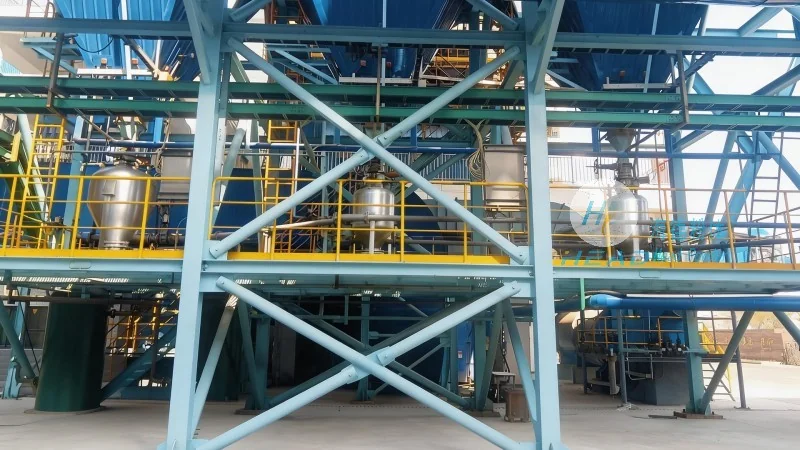
Shandong HeadPowder Engineering Co., Ltd., commonly known as HeadPowder, is a leading manufacturer of material handling solutions, including corn kernels material conveying lines. With headquarters in Shandong, China, the company specializes in designing and manufacturing high-quality conveying systems tailored to the needs of the agricultural and food processing industries. HeadPowder’s expertise lies in creating efficient, durable, and reliable conveying lines that enhance productivity and reduce operational costs for their clients. The company’s products are engineered to meet international standards and are widely used in various applications, from large-scale industrial facilities to smaller on-farm operations. By leveraging advanced technology and rigorous quality control, HeadPowder ensures that its conveying lines deliver consistent performance and long service life, making them a trusted choice for businesses in the corn processing sector.




