For industries dealing with sorghum distillers' grain powder, efficient material handling is crucial. Pneumatic conveying systems offer a reliable solution to transport these fine powders from one location to another. This article explores the operation process and working principle of such systems, highlighting the technology's benefits and the expertise of Shandong HeadPowder Engineering Co., Ltd. (headpowder), a leading provider based in Shandong, China.
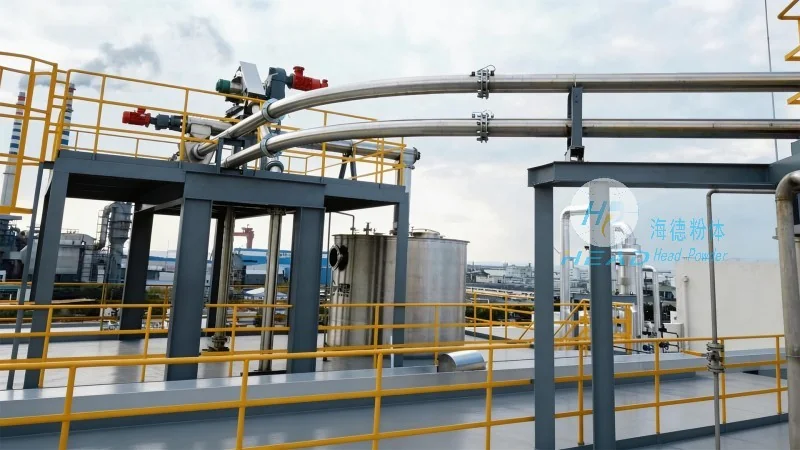
Components and Structure of Pneumatic Conveying Systems
A typical pneumatic conveying system for sorghum distillers' grain powder consists of several key components. These include a hopper or feeder to introduce the powder, a conveyor line (either positive or negative pressure), a separator to remove entrained air, and a discharge point. The system is designed to handle the specific characteristics of distillers' grain powder, such as its fine particle size and potential moisture content, ensuring minimal product degradation and loss.
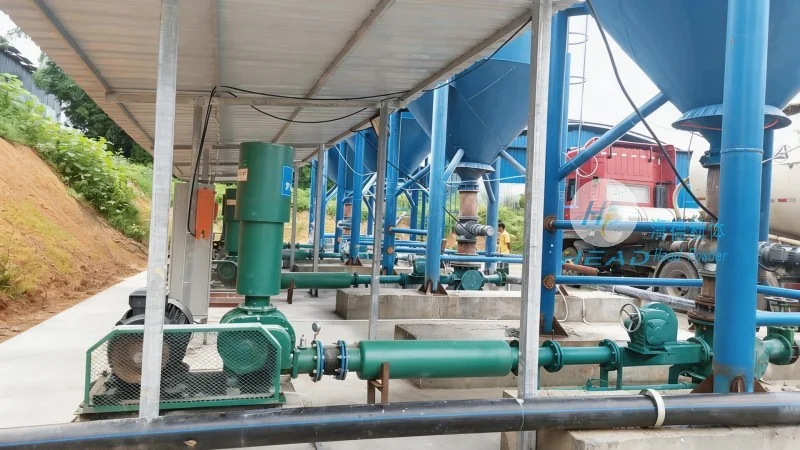
Operation Process of the Pneumatic Conveying System
The operation process of a pneumatic conveying system for sorghum distillers' grain powder involves several sequential steps. First, the powder is fed into the system from a storage hopper or silo. The feeder controls the flow rate to maintain a consistent feed. Next, the conveying medium—usually air—is introduced into the system. In a positive pressure system, air is blown into the conveyor line, pushing the powder forward. In a negative pressure system, air is drawn out, creating a vacuum that pulls the powder. The powder travels through the pipeline, and the air-powder mixture reaches the separator. Here, the air is separated from the powder, and the powder is discharged into the target container. The air is then filtered and recycled back into the system, minimizing energy waste.
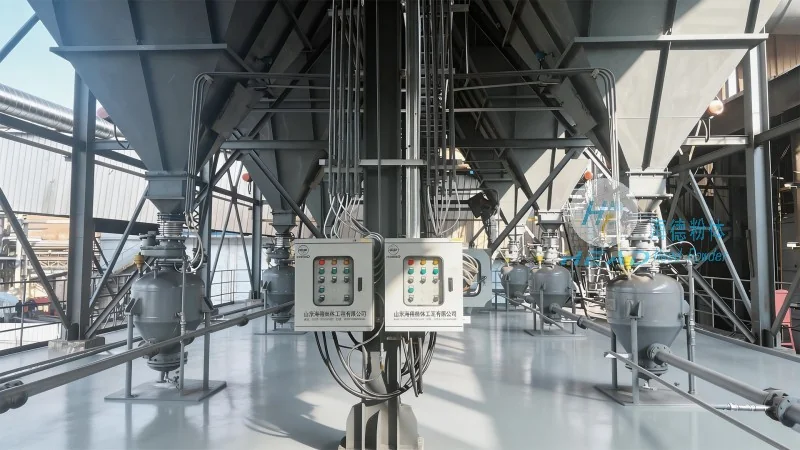
Working Principle of Pneumatic Conveying
The working principle of pneumatic conveying for sorghum distillers' grain powder is based on the interaction between the powder particles and the conveying air. The system uses the kinetic energy of the air to move the powder. In positive pressure systems, the air pressure forces the powder to move along the pipeline. The velocity of the air must be sufficient to overcome the friction between the powder particles and the pipeline walls, as well as the gravitational force acting on the powder. In negative pressure systems, the vacuum created by the air extraction pulls the powder, and the air velocity must be high enough to prevent particle separation and ensure stable flow. The design of the system, including the pipeline diameter, length, and bends, is critical to maintaining the air-powder ratio and preventing blockages or material degradation.
Benefits of Pneumatic Conveying for Sorghum Distillers' Grain Powder
Pneumatic conveying systems offer several advantages for handling sorghum distillers' grain powder. These include the ability to transport powders over long distances without the need for multiple transfer points, reduced product contamination due to enclosed systems, and lower labor costs compared to manual handling. Additionally, the system can be integrated with other processing equipment, such as mixing or drying units, to streamline the production process. The efficiency of the system also contributes to lower energy consumption and reduced environmental impact, making it a sustainable choice for modern food and beverage industries.
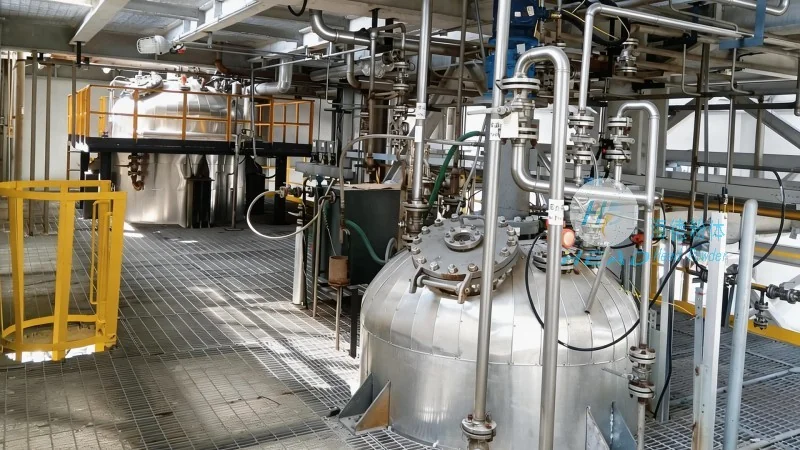
About Shandong HeadPowder Engineering Co., Ltd.
Shandong HeadPowder Engineering Co., Ltd., commonly known as headpowder, is a leading manufacturer and supplier of pneumatic conveying systems and related equipment. With headquarters in Shandong, China, the company specializes in designing and manufacturing customized solutions for various powder handling applications, including those involving sorghum distillers' grain powder. Headpowder's team of engineers and technicians has extensive experience in the industry, ensuring that each system is tailored to meet the specific needs of clients. The company's commitment to quality and innovation has made it a trusted partner for businesses seeking reliable and efficient material handling solutions.




