When it comes to transporting lithium iron carbonate, a critical material in the battery industry, the choice of conveying method can significantly impact operational efficiency and material integrity. Pneumatic conveying offers a solution that leverages air flow to move powders and particulate materials with precision and effectiveness. This approach is particularly valuable for handling materials like lithium iron carbonate, which require careful management to prevent degradation or loss during transport.
Understanding Pneumatic Conveying Systems for Lithium Iron Carbonate
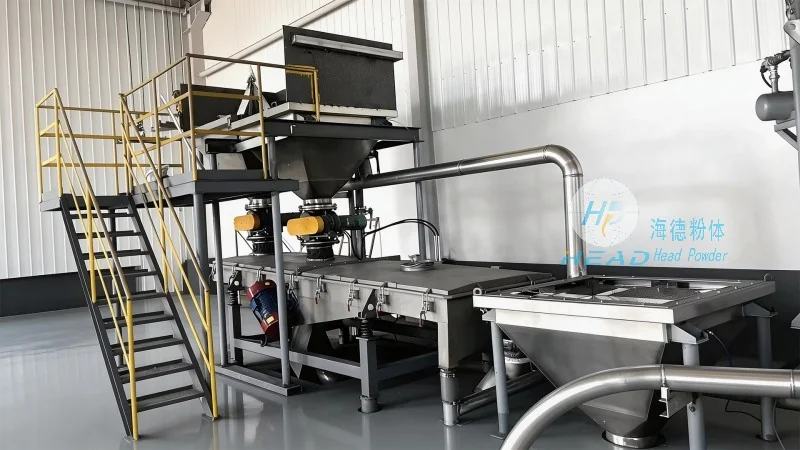
Pneumatic conveying systems utilize air to transport bulk materials through a network of pipes. For lithium iron carbonate, which is often used in lithium-ion batteries, the system must be designed to maintain the material's quality while ensuring smooth, continuous operation. The key components of such a system typically include a hopper for material storage, a blower or compressor to generate air pressure, and a pipeline network that directs the material to its destination. The design of these components is crucial for optimizing the conveying process, minimizing material degradation, and maximizing system efficiency.
Efficiency in Material Handling with Pneumatic Conveying
One of the primary advantages of pneumatic conveying for lithium iron carbonate is its ability to handle materials that are difficult to transport using traditional methods, such as belt conveyors or bucket elevators. These materials can be prone to caking, segregation, or degradation if not handled properly. Pneumatic systems, by contrast, use air to keep the material in suspension, reducing the risk of these issues. This results in higher material recovery rates and lower maintenance costs over time. Additionally, the system can be scaled to accommodate varying production volumes, making it suitable for both small-scale and large-scale operations in the battery manufacturing sector.
HeadPowder Engineering: Experts in Pneumatic Conveying Solutions
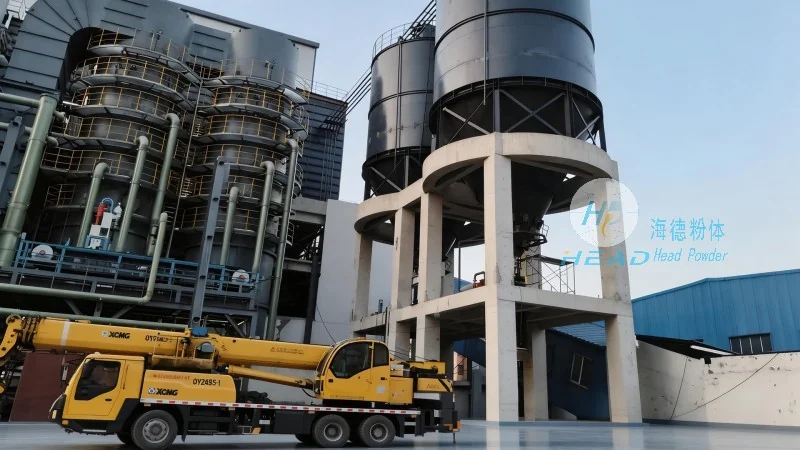
Shandong HeadPowder Engineering Co., Ltd. is a leading provider of specialized engineering solutions for material handling, including pneumatic conveying systems tailored for lithium iron carbonate and other powders. With a focus on innovation and customer-centric design, HeadPowder offers customized solutions that address the unique challenges of handling lithium iron carbonate. The company's expertise lies in designing systems that ensure material integrity, operational reliability, and energy efficiency. By leveraging advanced engineering principles and years of industry experience, HeadPowder helps clients optimize their material handling processes and achieve higher productivity.
Key Features of Pneumatic Conveying for Lithium Iron Carbonate
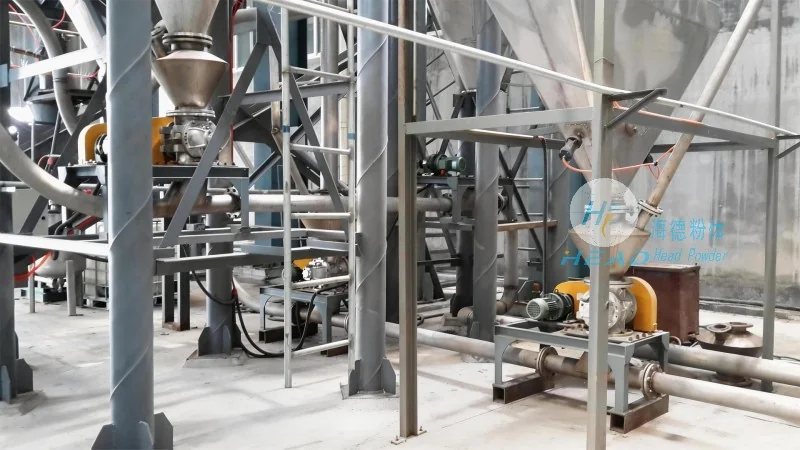
When considering a pneumatic conveying system for lithium iron carbonate, several key features should be evaluated to ensure optimal performance. These include the type of air flow (positive or negative pressure), the material's properties (such as particle size, density, and moisture content), and the system's capacity. Positive pressure systems, where air is forced through the pipeline, are often preferred for transporting lithium iron carbonate because they can handle longer distances and more complex layouts without significant pressure drops. The system's design must also account for the material's potential to cause abrasion or corrosion, requiring materials like stainless steel or specialized coatings for the pipeline and components.
Benefits of Implementing Pneumatic Conveying for Lithium Iron Carbonate
Adopting a pneumatic conveying system for lithium iron carbonate offers numerous benefits that extend beyond simple material transport. These include improved product quality by reducing exposure to air and moisture, enhanced safety by minimizing dust generation and handling risks, and increased operational flexibility. The system's ability to integrate with existing production lines also reduces downtime and installation costs. Furthermore, by optimizing the conveying process, companies can reduce energy consumption and lower their environmental impact, aligning with sustainability goals in the battery industry.




