Chlorinated polyethylene (CPE) is a widely used polymer in various industrial applications, known for its excellent weather resistance, low temperature flexibility, and good electrical insulation properties. It is commonly used in the production of plastic products, rubber additives, and protective coatings. The efficient transportation of CPE is crucial for maintaining production efficiency and product quality. Pneumatic conveying, as a key technology in material handling, offers a reliable solution for moving CPE from storage to processing units. This article explores the role of pneumatic conveying in the transportation of CPE, highlighting its benefits and the technical considerations involved.
The Advantages of Pneumatic Conveying for CPE Transportation
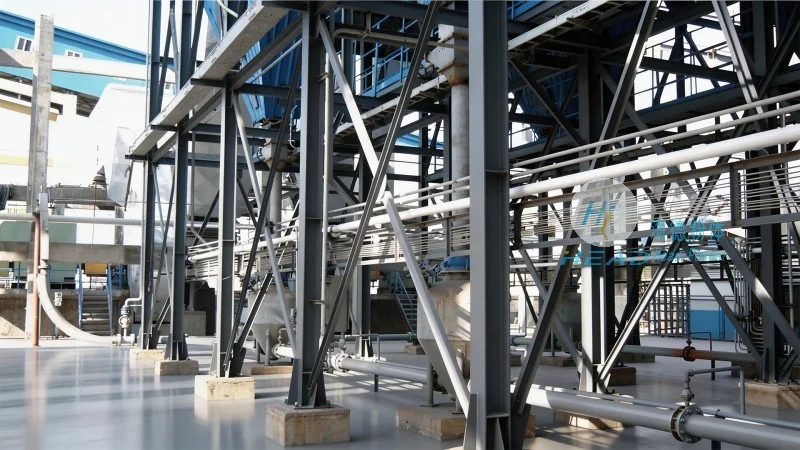
Pneumatic conveying systems utilize air or other gases to transport bulk materials like CPE through a pipeline network. Compared to traditional mechanical conveying methods, such as belt conveyors or screw conveyors, pneumatic conveying provides several advantages. First, it offers a dust-free and hygienic environment, which is essential for maintaining the purity of CPE, especially when used in food packaging or medical applications. Second, pneumatic conveying can handle a wide range of particle sizes and shapes, making it suitable for various forms of CPE, including granules, powders, and pellets. Third, it allows for flexible system design, enabling the integration of multiple processing units and storage areas without the need for complex infrastructure. Additionally, pneumatic conveying systems can be easily automated, reducing labor costs and improving operational efficiency.
Technical Considerations for Pneumatic Conveying Systems
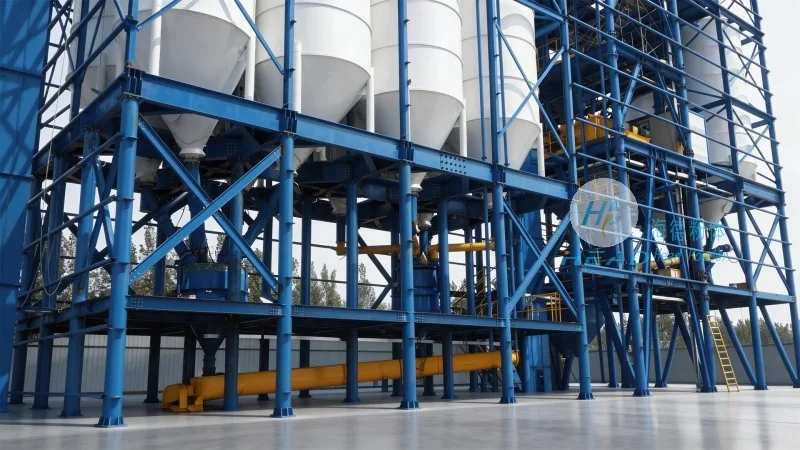
Implementing an effective pneumatic conveying system for CPE requires careful consideration of several technical factors. The first is the selection of the appropriate conveying method, such as pressure or vacuum systems. Pressure systems are typically used for long-distance or high-capacity transport, while vacuum systems are suitable for short distances or when the material needs to be drawn from a lower elevation. The second factor is the design of the pipeline network, including the diameter, length, and number of bends. The pipeline diameter must be large enough to prevent excessive pressure drop and material blockage, while the number of bends should be minimized to reduce friction losses. The third consideration is the choice of air compressor or vacuum pump, which must be capable of providing sufficient air flow and pressure to move the CPE at the desired rate. Additionally, the system should include appropriate filters and separators to prevent material buildup and maintain air quality.
Application Examples in CPE Production
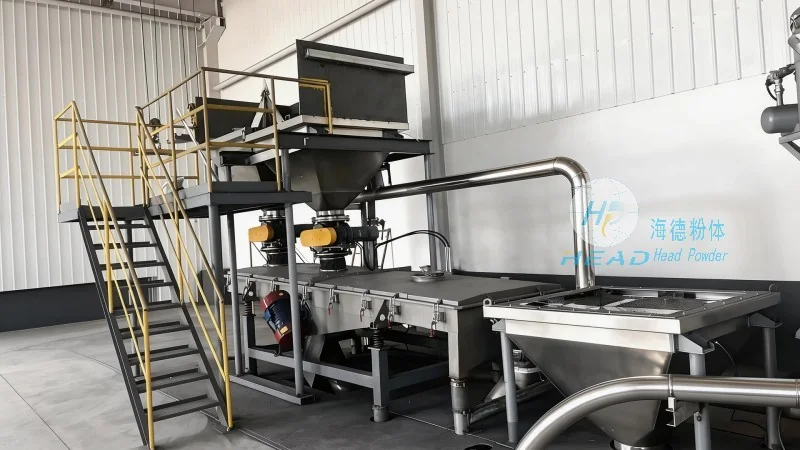
Pneumatic conveying is widely used in CPE production facilities for transporting raw materials and finished products. For example, in a CPE manufacturing plant, CPE granules are stored in silos and then conveyed pneumatically to the extrusion or blending units. The conveying system ensures that the material is delivered to the processing equipment at a consistent rate, which is critical for maintaining product uniformity. Similarly, in a CPE recycling facility, used CPE materials are collected and conveyed pneumatically to the reprocessing units, where they are melted and reformed into new products. The use of pneumatic conveying in these applications has significantly improved production efficiency and reduced downtime.
HeadPowder Engineering's Expertise in Pneumatic Conveying Solutions
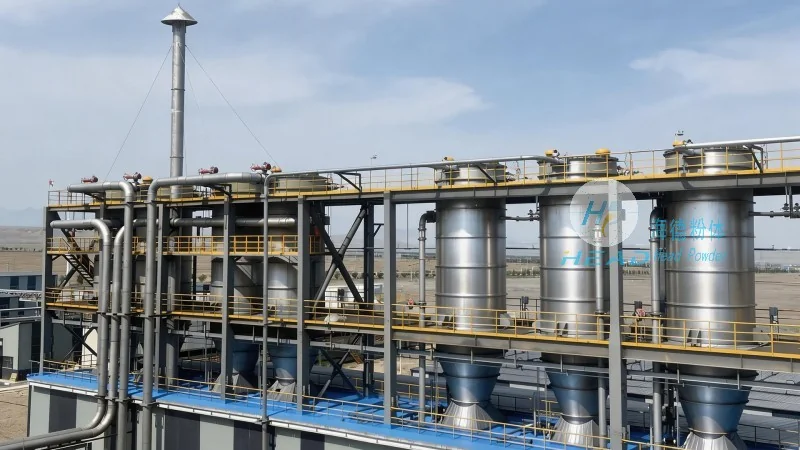
Shandong HeadPowder Engineering Co., Ltd. specializes in providing customized pneumatic conveying solutions for various industrial applications, including the transportation of CPE. With years of experience in the field, the company has developed a deep understanding of the technical requirements and challenges associated with CPE handling. HeadPowder Engineering offers a range of services, from system design and installation to maintenance and troubleshooting. The company's team of engineers and technicians work closely with clients to understand their specific needs and provide tailored solutions that meet their operational goals. Whether it's a new system installation or an upgrade to an existing one, HeadPowder Engineering ensures that the pneumatic conveying system is efficient, reliable, and cost-effective. The company's commitment to quality and customer satisfaction has made it a trusted partner for many CPE manufacturers and processors in China and beyond.




