For industrial applications involving the transportation of cement aggregates and powder materials, pneumatic conveying systems offer an efficient and reliable solution. This article delves into the operation process and working principles of such systems, highlighting their key components, operational dynamics, and practical applications.
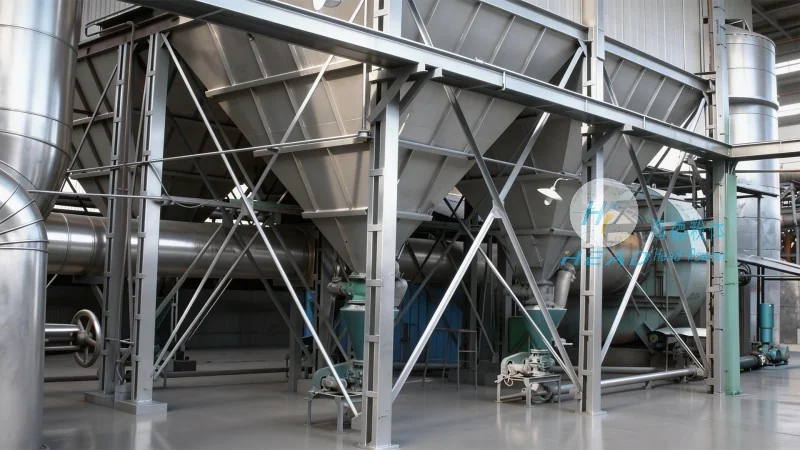
Overview of Pneumatic Conveying Systems
Pneumatic conveying systems are designed to transport bulk materials like cement, aggregates, and fine powders through a pipeline using air or gas as the conveying medium. These systems are widely used in the construction, mining, and chemical industries due to their ability to handle a variety of materials with minimal maintenance and high efficiency. The core of a pneumatic conveying system consists of a blower or compressor, a material feed hopper, a pipeline network, and a discharge point. The system operates by creating a pressure differential that propels the material through the pipeline.
Key Components and Their Functions
Several critical components work in tandem to ensure the smooth operation of a pneumatic conveying system. The blower or compressor is responsible for generating the necessary air pressure to move the material. The material feed hopper provides a controlled feed of the bulk material into the system, preventing blockages and ensuring a consistent flow rate. The pipeline network, typically made of stainless steel or other corrosion-resistant materials, transports the material from the feed point to the discharge point. The discharge point, often equipped with a cyclone separator or a filter, separates the material from the air stream, allowing the material to be collected while the air is returned to the system or released.
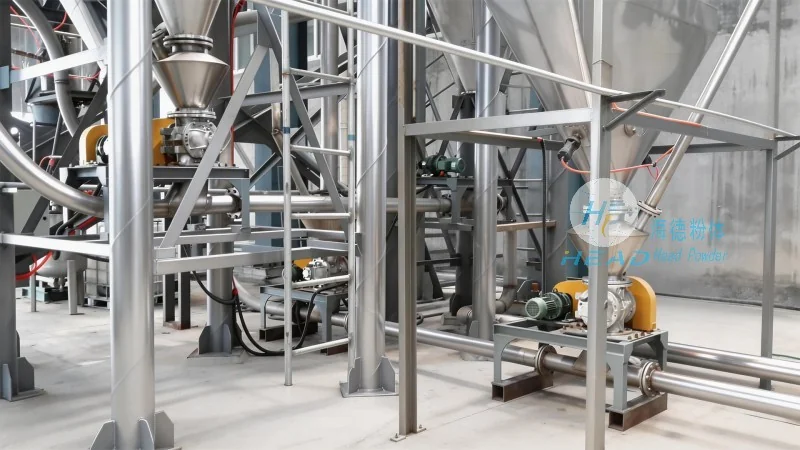
Operation Process of Cement Aggregate Powder Pneumatic Conveying
The operation process of a cement aggregate powder pneumatic conveying system involves several sequential steps. First, the bulk material is fed into the material hopper from a storage silo or a batch mixer. The hopper is equipped with a feeder, such as a rotary valve or a screw feeder, which controls the flow rate of the material into the system. Next, the blower or compressor starts, creating a high-pressure air stream within the pipeline. The material is then drawn into the pipeline by the pressure differential, and the air stream propels it through the pipeline to the discharge point. At the discharge point, a cyclone separator or a filter separates the material from the air. The material is collected in a storage bin or a processing unit, while the air is either recirculated back to the blower or vented to the atmosphere. The system continuously operates, maintaining a steady flow of material until the feed is stopped or the system is shut down.
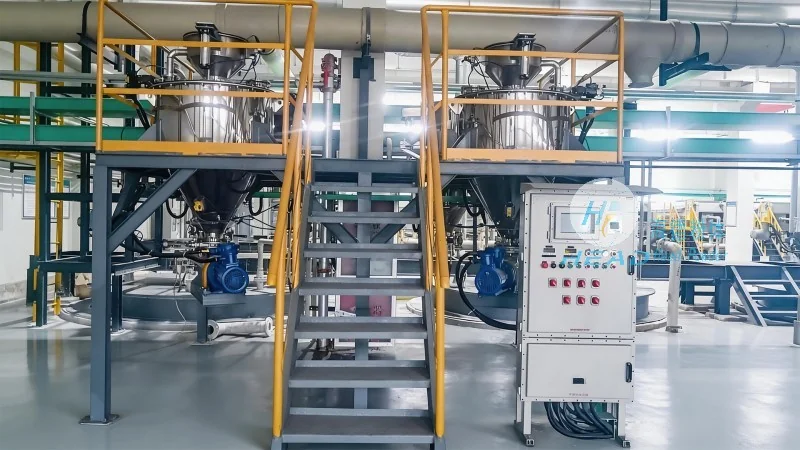
Working Principles of Pneumatic Conveying
The working principle of a pneumatic conveying system is based on the fundamental concept of fluid dynamics and particle motion. When air is forced through a pipeline at a sufficient velocity, it creates a pressure drop that draws the material into the pipeline. The material particles are suspended in the air stream and transported along the pipeline. The velocity of the air stream must be high enough to overcome the gravitational force acting on the material particles and to maintain the particles in suspension. The pressure drop along the pipeline is a critical factor, as it determines the flow rate and the capacity of the system. The system's efficiency depends on the proper design of the pipeline, the selection of the appropriate blower or compressor, and the control of the material feed rate.
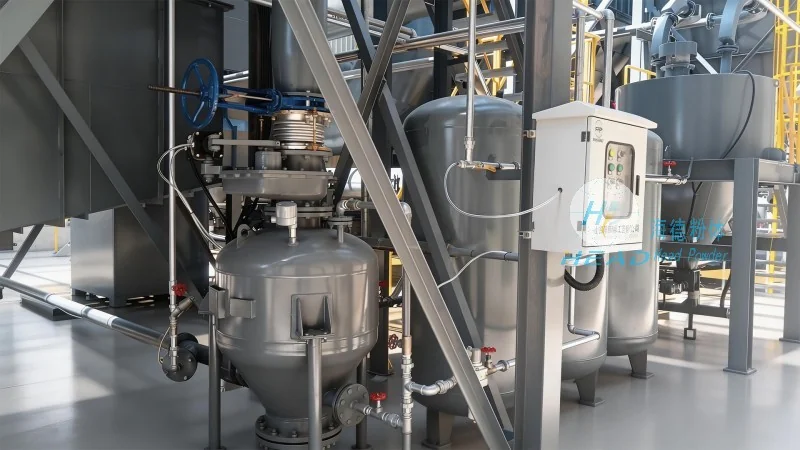
Applications and Benefits
Cement aggregate powder pneumatic conveying systems are used in a wide range of applications, including the transportation of raw materials in cement plants, the delivery of aggregates to concrete mixing plants, and the handling of fine powders in chemical processing facilities. The benefits of using pneumatic conveying systems include high efficiency, low maintenance, and the ability to handle a variety of materials. These systems are also capable of transporting materials over long distances and through complex pipeline networks, making them suitable for large-scale industrial operations. Additionally, pneumatic conveying systems can be integrated with other processing equipment, such as mixers and grinders, to form a complete material handling system.
Conclusion
In conclusion, pneumatic conveying systems are an essential component of modern industrial material handling. The operation process and working principles of these systems are based on the efficient use of air pressure to transport bulk materials. The key components, including the blower, material hopper, and pipeline network, work together to ensure a consistent and reliable flow of material. The benefits of using pneumatic conveying systems, such as high efficiency and low maintenance, make them a preferred choice for many industrial applications. As the demand for efficient material handling solutions continues to grow, pneumatic conveying systems will remain a critical technology in the construction, mining, and chemical industries.




