Industrial salt is a critical component in various industries, including de-icing, water treatment, and chemical manufacturing. Efficient and reliable material transport of industrial salt is essential to ensure smooth operations and maintain product quality. This article provides an in-depth look at the operating process and working principles of industrial salt material handling systems, highlighting the key components and mechanisms involved.
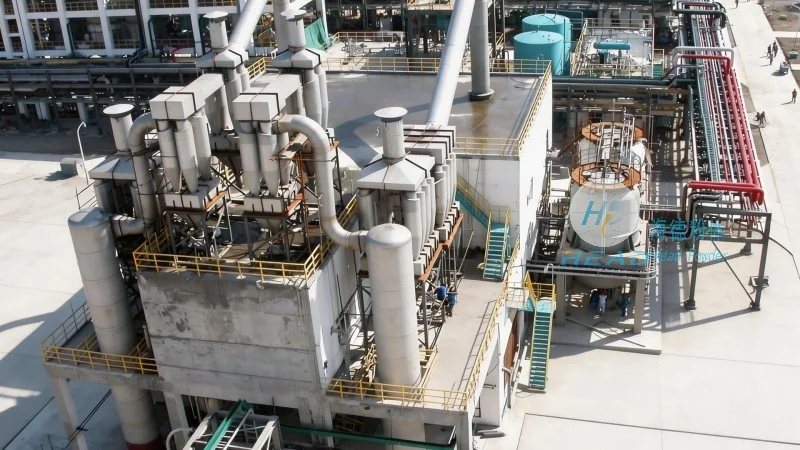
About HeadPowder: A Leading Provider of Material Handling Solutions
HeadPowder, a division of Shandong HeadPowder Engineering Co., Ltd., is a renowned manufacturer specializing in industrial material handling equipment. With a strong presence in China, particularly in Shandong, the company has built a reputation for delivering high-quality, durable, and efficient solutions tailored to the needs of the industrial salt sector. HeadPowder's expertise lies in designing and manufacturing systems that optimize the transport of bulk materials like industrial salt, ensuring safety, efficiency, and cost-effectiveness for clients.
Key Components of Industrial Salt Material Transport Systems
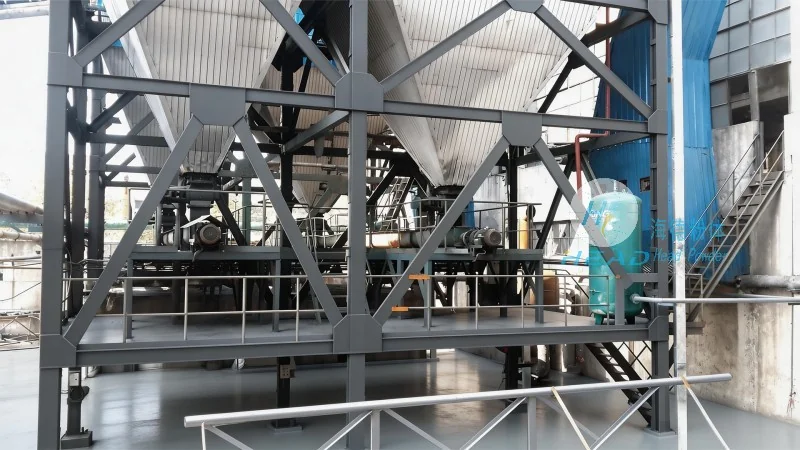
The industrial salt material transport system typically consists of several critical components that work in tandem to move the material from the storage area to the processing or application point. These components include bulk storage silos or hoppers, conveyor systems (such as belt conveyors or screw conveyors), feeding mechanisms, and control systems. Each component plays a vital role in the overall operation, ensuring that the material is handled safely and efficiently.
The Operating Process of Industrial Salt Material Transport
The operating process of industrial salt material transport begins with the storage of raw industrial salt in bulk storage silos or hoppers. These containers are designed to hold large quantities of salt while maintaining proper ventilation and moisture control to prevent degradation. Once the salt is stored, it is fed into the conveyor system through a feeding mechanism, such as a rotary valve or a screw feeder. The conveyor system then transports the salt to the desired location, such as a processing plant or a storage area for further use. The control system monitors the entire process, ensuring that the flow rate, pressure, and other parameters are maintained within optimal ranges to prevent blockages or spills.
Working Principles of Industrial Salt Material Transport
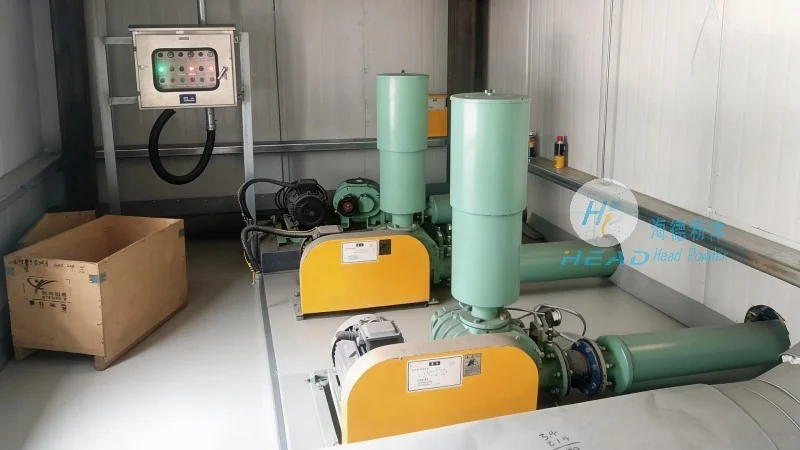
The working principles of industrial salt material transport are based on mechanical and hydraulic systems that facilitate the movement of bulk materials. Belt conveyors, for example, use a continuous belt that moves over rollers or pulleys to transport the salt. The speed and tension of the belt can be adjusted to control the flow rate. Screw conveyors, on the other hand, use a rotating screw to push the salt forward, making them suitable for vertical or inclined transport. The feeding mechanisms, such as rotary valves, control the amount of salt released into the conveyor system, ensuring a consistent flow. The control system uses sensors and feedback mechanisms to adjust the operation of the components in real-time, maintaining the stability and efficiency of the transport process.
Ensuring Safety and Efficiency in Industrial Salt Transport
Industrial salt transport systems must adhere to strict safety and operational standards to prevent accidents and ensure optimal performance. HeadPowder's systems are designed with safety features such as emergency stop buttons, overload protection, and dust suppression systems. These features help to minimize the risk of accidents and ensure that the system operates within safe parameters. Additionally, the company's systems are engineered for durability and low maintenance, reducing downtime and operational costs for clients. By integrating advanced control technologies and robust materials, HeadPowder's industrial salt transport solutions provide reliable and efficient performance, meeting the demands of various industrial applications.




