For businesses in the cotton processing industry, efficient and reliable material handling is crucial for maintaining production efficiency and product quality. One key solution in this field is the cotton seed pneumatic conveying equipment, which uses air to transport cotton seeds and other similar bulk materials. This equipment not only enhances operational flexibility but also reduces labor costs and improves overall safety in material handling processes.
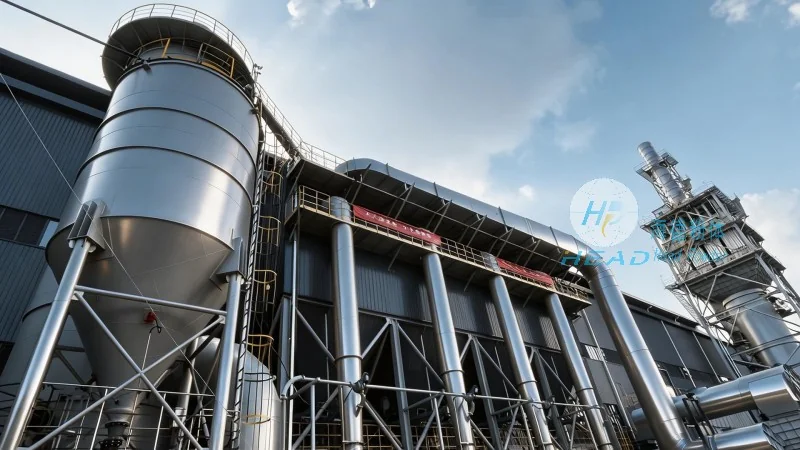
Cotton Seed Pneumatic Conveying Equipment: An Overview
Cotton seed pneumatic conveying equipment is a specialized system designed to transport cotton seeds and other granular or powdery materials through a pipeline using compressed air. The system typically consists of several key components, including a hopper for material storage, a feeder to control the flow rate, a conveying line, and a receiver for the discharged material. The core of the system is the air compressor, which generates the necessary pressure to move the material through the pipeline.
Design Principles of Cotton Seed Pneumatic Conveying Equipment
The design of cotton seed pneumatic conveying equipment is based on several fundamental principles to ensure efficient and safe operation. First, the system must maintain a consistent air pressure and flow rate to prevent material blockages or uneven distribution. The selection of the air compressor capacity is critical, as it must match the material's characteristics, such as particle size, density, and moisture content. Additionally, the pipeline design, including the diameter and length, is carefully calculated to minimize pressure losses and ensure smooth material movement.
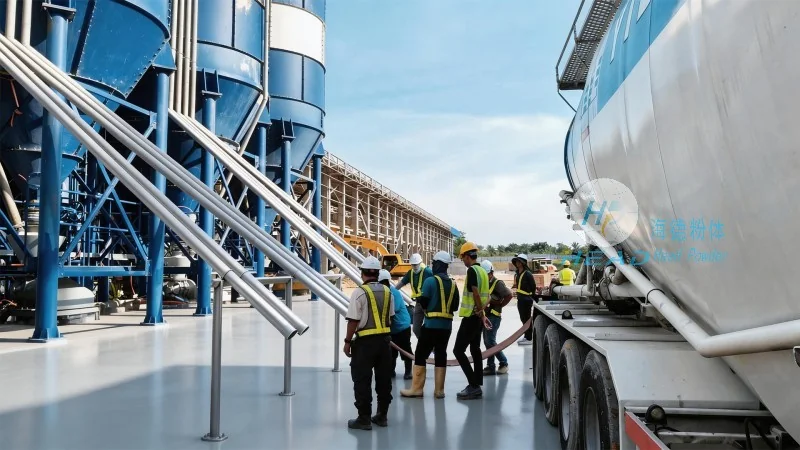
Key Components and Their Functions
Each component of the cotton seed pneumatic conveying system plays a vital role in the overall performance. The hopper serves as the material storage container, providing a uniform feed to the feeder. The feeder, often a rotary valve or a screw feeder, regulates the material flow rate, ensuring a steady supply to the conveying line. The conveying line, usually made of stainless steel or other corrosion-resistant materials, is designed to withstand the pressure and material abrasion. The air compressor generates the compressed air, which is introduced into the pipeline through a venturi or a blower. The receiver, at the end of the pipeline, collects the discharged material and may include a dust collection system to improve air quality.
Advantages of Using Cotton Seed Pneumatic Conveying Equipment
Implementing cotton seed pneumatic conveying equipment offers several advantages over traditional material handling methods. First, it eliminates the need for manual handling, reducing the risk of workplace injuries and improving worker safety. The system also minimizes material contamination, as the enclosed pipeline prevents exposure to dust and other environmental factors. Furthermore, the equipment can handle a wide range of material types and flow rates, making it versatile for different production needs. The automated operation of the system reduces labor costs and increases production efficiency, allowing businesses to scale their operations without significant additional labor.
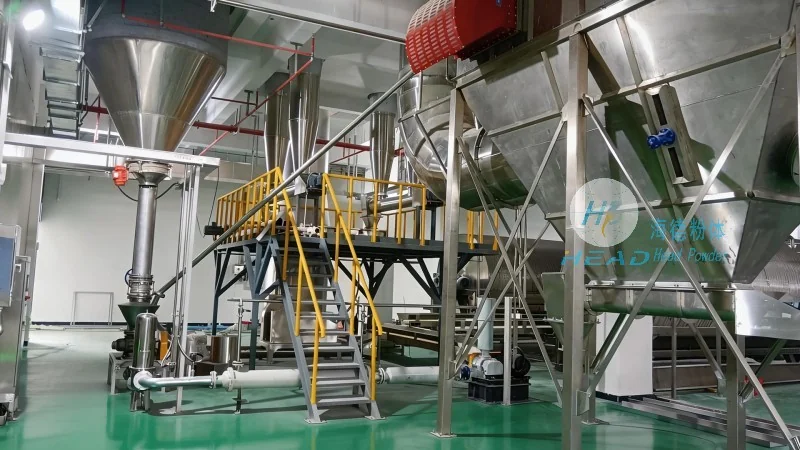
Application in Cotton Processing Industries
Cotton seed pneumatic conveying equipment is widely used in various stages of cotton processing, from seed collection and cleaning to storage and transport. In seed collection, the equipment efficiently transports harvested cotton seeds from the field to processing facilities, ensuring timely processing and reducing material loss. During cleaning and sorting, the system can handle the removal of impurities and the separation of different seed grades, improving the quality of the final product. In storage, the equipment maintains a consistent supply of seeds to the processing line, preventing stockouts and ensuring smooth production. The versatility of the system also makes it suitable for transporting other bulk materials, such as grains or powders, in related industries.
Customization and Maintenance Considerations
Shandong HeadPowder Engineering Co., Ltd. specializes in designing and manufacturing customized cotton seed pneumatic conveying equipment to meet the specific needs of different clients. The company considers factors such as material characteristics, production capacity, and operational environment when designing the system. Regular maintenance is essential to ensure the long-term performance and reliability of the equipment. This includes checking the air compressor for proper operation, inspecting the pipeline for leaks or blockages, and cleaning the hopper and receiver to prevent material buildup. Proper maintenance not only extends the equipment's lifespan but also ensures consistent performance and reduces downtime.




