Understanding the fundamental aspects of soap granule pneumatic conveying systems is crucial for industries dealing with bulk material handling. This article provides an in-depth look at what these systems are and the core design principles that govern their operation, presented by Shandong HeadPowder Engineering Co., Ltd., a leading provider in the field.
About HeadPowder Engineering
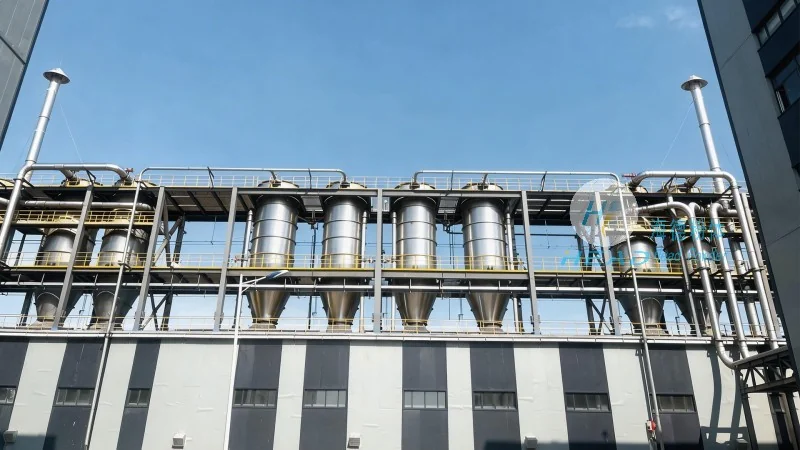
HeadPowder, the professional brand under Shandong HeadPowder Engineering Co., Ltd., specializes in the design, manufacturing, and implementation of advanced pneumatic conveying solutions. With a strong presence in China, particularly in Shandong, the company leverages years of industry experience to deliver efficient and reliable systems tailored to diverse industrial needs.
Core Design Principles of Pneumatic Conveying Systems
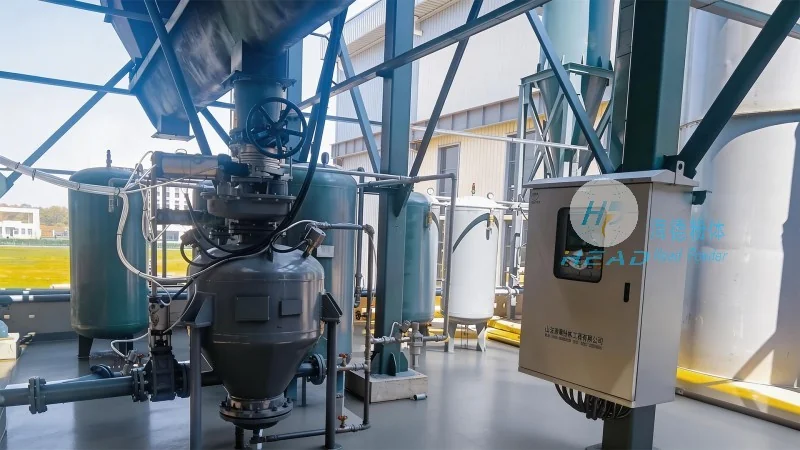
The design of a soap granule pneumatic conveying system revolves around several key principles aimed at ensuring efficient material transport. These include the selection of appropriate air velocity, the configuration of the conveying line (e.g., vertical, horizontal, or a combination), and the use of specialized components such as cyclones, filters, and pressure vessels. The system’s performance is heavily influenced by factors like the particle size, density, and moisture content of the soap granules, as well as the required conveying distance and throughput. Engineers at HeadPowder meticulously analyze these parameters to optimize the system’s design, ensuring minimal energy consumption and maximum operational efficiency.
Key Components and Operational Mechanisms
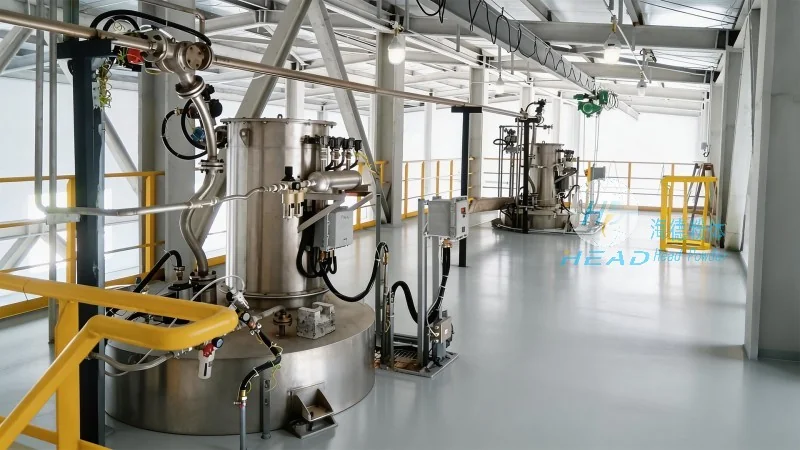
A typical soap granule pneumatic conveying system consists of several interconnected components that work in harmony to transport materials. The primary components include a material hopper or feeder, a blower or compressor to generate the air flow, a conveying line (often equipped with bends and straight sections), and a receiver or discharge hopper. The material is introduced into the system via the hopper, where it is fed into the conveying line under controlled conditions. The air flow, generated by the blower, propels the soap granules through the line, transporting them to the destination. At the receiving end, the system may include a cyclone separator to separate the material from the air, followed by a filter to capture any fine particles, ensuring a clean and efficient discharge.
Advantages of Pneumatic Conveying for Soap Granules
Compared to traditional mechanical conveying methods, pneumatic systems offer several advantages when handling soap granules. These include the ability to transport materials over long distances without the need for multiple transfer points, reduced risk of contamination due to enclosed systems, and lower maintenance requirements as there are fewer moving parts. Additionally, pneumatic conveying can handle a wide range of particle sizes and shapes, making it suitable for various soap production processes. The flexibility of these systems allows for easy integration into existing production lines, enabling manufacturers to enhance their operational efficiency and reduce downtime.
Conclusion and Company Commitment
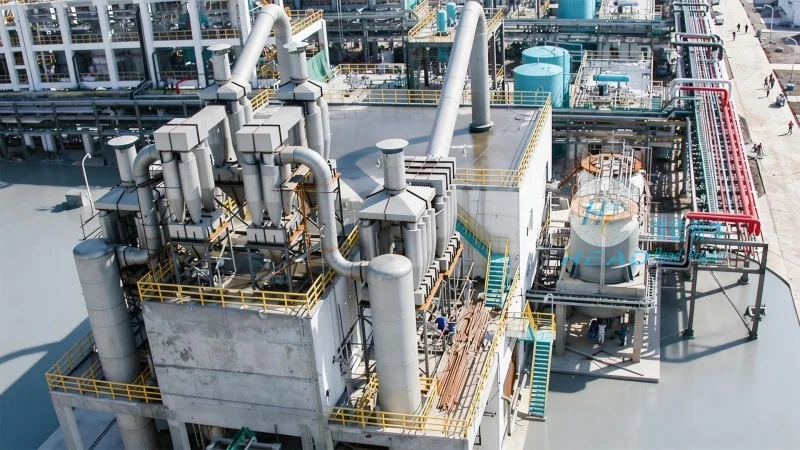
Soap granule pneumatic conveying systems represent a sophisticated solution for efficient bulk material handling in the soap manufacturing industry. By adhering to rigorous design principles and leveraging advanced engineering techniques, companies like Shandong HeadPowder Engineering Co., Ltd. provide tailored systems that meet the specific demands of their clients. With a focus on reliability, efficiency, and innovation, HeadPowder continues to be a trusted partner for industries seeking to optimize their material transport processes. Whether for new installations or system upgrades, the expertise and experience of HeadPowder ensure that clients receive high-quality solutions that enhance productivity and operational performance.




