Sodium chlorate is a widely used chemical compound in various industrial applications, and the efficient handling of this material is crucial for maintaining production efficiency and safety. Pneumatic conveying systems have emerged as a reliable solution for transporting sodium chlorate, offering advantages such as reduced dust generation, improved process control, and enhanced safety compared to traditional methods like bucket elevators or belt conveyors. This article aims to explore the concept of sodium chlorate pneumatic conveying equipment and delve into its underlying design principles, providing insights into how these systems operate and their benefits in industrial settings.
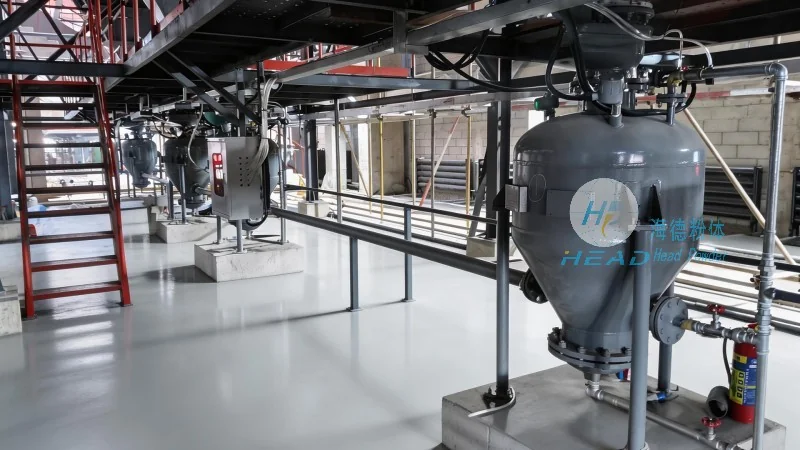
About HeadPowder: A Leading Provider of Industrial Conveying Solutions
HeadPowder, the professional brand under Shandong HeadPowder Engineering Co., Ltd., is dedicated to delivering high-quality industrial conveying equipment tailored to the specific needs of clients. With a strong commitment to innovation and customer satisfaction, HeadPowder has established itself as a trusted partner in the chemical processing industry. The company's expertise lies in designing and manufacturing pneumatic conveying systems that ensure safe and efficient material handling, particularly for sensitive chemicals like sodium chlorate. HeadPowder's team of engineers and technicians works closely with clients to understand their operational requirements and develop customized solutions that meet both performance and safety standards.
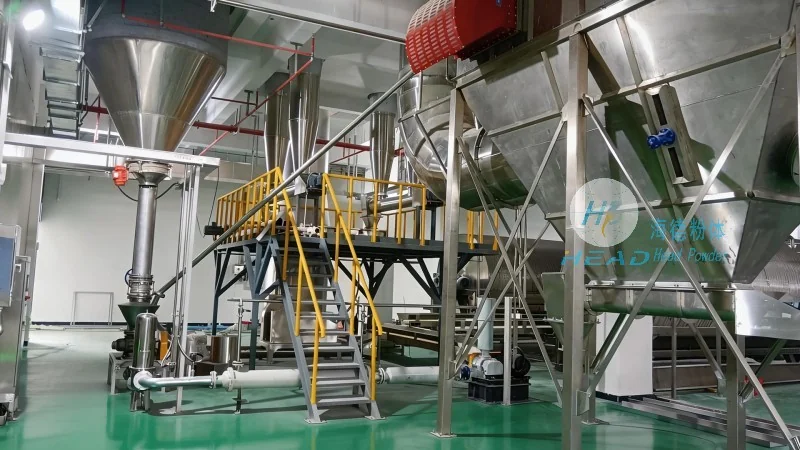
Design Principles of Sodium Chlorate Pneumatic Conveying Systems
The design of a sodium chlorate pneumatic conveying system involves several key principles that ensure optimal performance and reliability. First, the system must be designed to handle the specific physical and chemical properties of sodium chlorate, which includes considerations for its particle size, moisture content, and potential reactivity. The choice of materials for the conveying lines, such as stainless steel or special alloys, is critical to prevent corrosion and ensure durability, as sodium chlorate can be corrosive under certain conditions. Second, the system's air flow rate and pressure must be carefully calculated to achieve the desired conveying velocity and prevent material degradation or blockages. This involves selecting appropriate air movers, such as rotary lobe blowers or positive displacement blowers, and determining the optimal air-to-material ratio to maintain a stable flow. Third, the system must incorporate proper dust collection and filtration components to comply with environmental regulations and maintain a clean working environment. This includes using high-efficiency particulate air (HEPA) filters and dust collectors that can handle the specific characteristics of sodium chlorate dust. Additionally, the system's control mechanisms, including pressure sensors, flow meters, and automatic shut-off valves, are essential for maintaining consistent operation and preventing overloading or system failures.
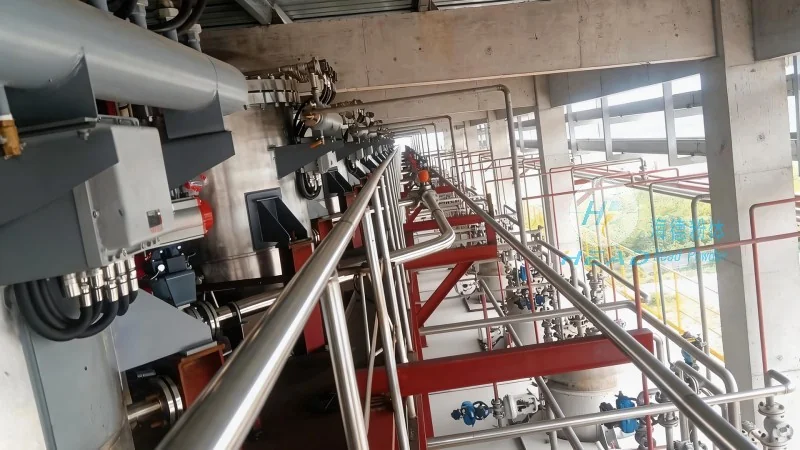
Key Components and Their Functions in Pneumatic Conveying Equipment
A sodium chlorate pneumatic conveying system typically consists of several key components, each playing a vital role in the overall operation. The primary components include the material feed hopper, which stores and feeds the sodium chlorate into the system; the air mover, which provides the necessary pressure and flow to transport the material; the conveying line, which carries the material and air mixture; the dust collection system, which removes airborne particles; and the discharge hopper, which collects the conveyed material. The material feed hopper is designed to minimize material buildup and ensure a consistent feed rate, often equipped with level sensors and automatic feeding mechanisms. The air mover, such as a rotary lobe blower, generates the required air pressure and volume, with its capacity determined by the system's conveying requirements. The conveying line is usually made of stainless steel or other corrosion-resistant materials, with appropriate fittings and elbows to maintain the air flow and prevent pressure losses. The dust collection system, including filters and a dust collector, ensures that the air leaving the system is clean and compliant with environmental standards. The discharge hopper collects the conveyed sodium chlorate and may include a level indicator or a discharge valve to control the material release. Each component must be carefully selected and integrated to ensure the system operates efficiently and safely, with minimal downtime and maintenance.
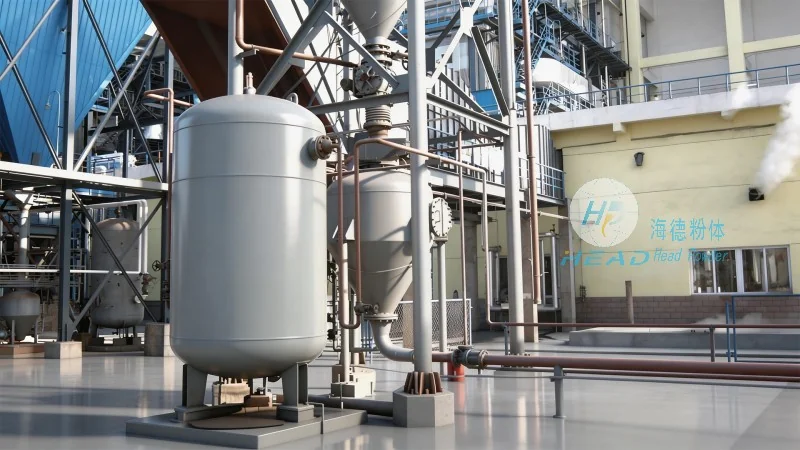
Benefits of Using Pneumatic Conveying for Sodium Chlorate Handling
Implementing a pneumatic conveying system for sodium chlorate handling offers numerous benefits that enhance operational efficiency and safety. One of the primary advantages is the reduction in dust generation compared to traditional methods, which minimizes the risk of respiratory issues and improves workplace safety. The enclosed system also prevents material contamination and cross-contamination with other substances, maintaining the purity of the sodium chlorate. Additionally, pneumatic conveying systems allow for precise control over the material flow rate and pressure, enabling better process control and consistency in production. This leads to improved product quality and reduced waste. The system's ability to handle material in a closed environment also reduces the risk of environmental contamination and odor issues, which is particularly important for sodium chlorate, a chemical that can be sensitive to moisture and temperature changes. Furthermore, the automated nature of the system reduces the need for manual handling, minimizing labor costs and the risk of human error. Overall, the use of pneumatic conveying equipment for sodium chlorate handling provides a reliable, efficient, and safe solution that aligns with modern industrial standards.




