HeadPowder, a leading provider of industrial conveying solutions, specializes in advanced polyolefin pneumatic conveying equipment. Based in Shandong, China, the company has established itself as a trusted partner for businesses seeking efficient and reliable material handling systems. This article explores the fundamental aspects of polyolefin pneumatic conveying equipment, detailing their design principles and operational capabilities.
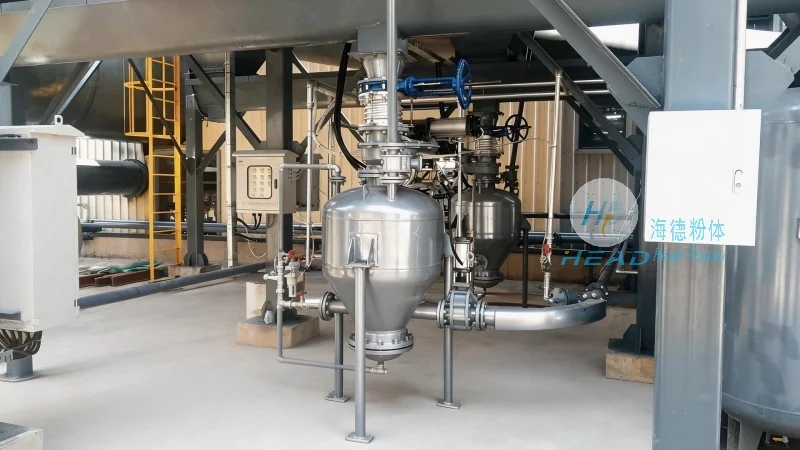
Polyolefin Pneumatic Conveying Equipment: An Overview
Polyolefin pneumatic conveying equipment is a specialized system designed to transport polyolefin materials—such as polyethylene (PE), polypropylene (PP), and other similar polymers—through a pneumatic (air-driven) process. These systems are widely used in industries like plastics manufacturing, chemical processing, and food processing, where the safe and efficient movement of bulk materials is critical. The equipment typically consists of components like a hopper, feeder, air compressor, and conveying line, all working in tandem to ensure smooth material transfer.
Key Design Principles of Polyolefin Pneumatic Conveying Systems
The design of polyolefin pneumatic conveying equipment is guided by several critical principles to ensure optimal performance and material integrity. First, the system must be engineered to handle the unique properties of polyolefin materials, which include low density, low abrasiveness, and varying particle sizes. This requires careful consideration of the material's flow characteristics and potential for static charge buildup, as polyolefins are prone to generating static electricity that can affect handling and safety.
Second, the air flow and pressure within the system are carefully controlled to prevent material degradation or blockages. The design incorporates features such as venturi or positive pressure systems, which are chosen based on the specific material and application requirements. For instance, a venturi system uses a high-velocity air stream to draw material into the conveying line, while a positive pressure system pushes material through using compressed air. Both approaches are effective but require precise design to maintain consistent flow rates and prevent material degradation.
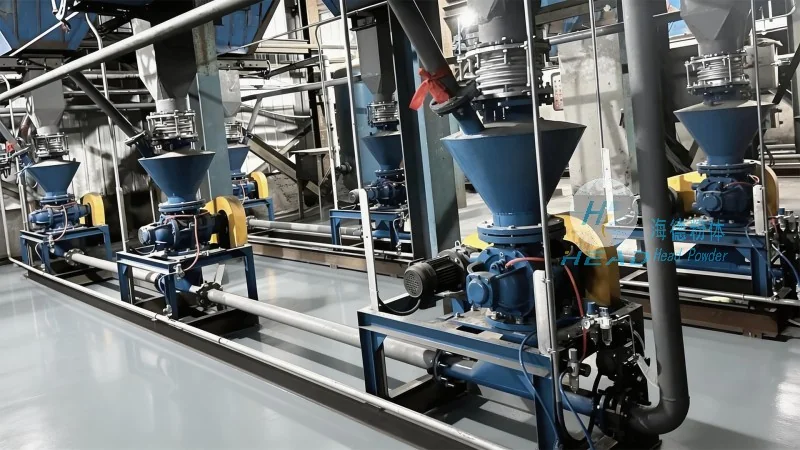
Components and Operational Mechanisms
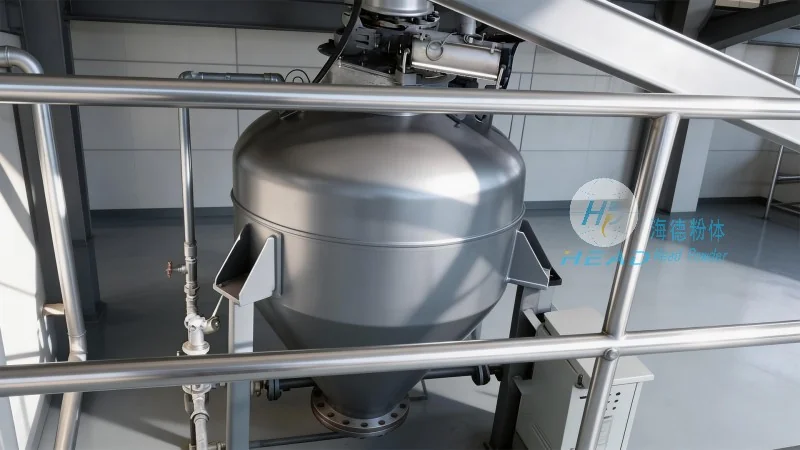
The core components of a polyolefin pneumatic conveying system include a hopper for material storage, a feeder to control the flow rate, an air compressor to generate the necessary pressure, and a conveying line (often made of stainless steel or other corrosion-resistant materials) to transport the material. The hopper is typically designed with a sloped bottom to facilitate material discharge, while the feeder may use a rotary valve or screw mechanism to regulate the amount of material entering the system. The air compressor provides the driving force, with pressure levels ranging from low to high, depending on the distance and material characteristics.
The conveying line is a critical component, as it must withstand the pressure and temperature of the air and material. Stainless steel is commonly used due to its resistance to corrosion and ability to handle the abrasive nature of polyolefin particles. The line is often equipped with bends and elbows that are carefully designed to minimize pressure loss and prevent material buildup. Additionally, the system may include filters and cyclones to separate the material from the air, ensuring that the material is delivered to the destination without contamination.
Advantages and Applications
Polyolefin pneumatic conveying equipment offers several advantages over traditional mechanical conveying systems. These include reduced labor costs, as the system operates automatically, and improved material handling efficiency, as it can transport materials over long distances without the need for intermediate storage. The systems are also compact and can be integrated into existing production lines, making them a versatile solution for various industrial applications.
Common applications of polyolefin pneumatic conveying equipment include the transport of raw polyolefin pellets from storage to processing equipment, the transfer of finished products from production lines to packaging areas, and the handling of waste materials in recycling facilities. The equipment is particularly well-suited for industries where material purity and contamination control are paramount, such as food and pharmaceutical manufacturing.
Conclusion
HeadPowder Engineering Co., Ltd., based in Shandong, China, specializes in the design and manufacturing of high-quality polyolefin pneumatic conveying equipment. By adhering to rigorous design principles and using advanced materials and technologies, the company ensures that its systems deliver reliable performance and meet the specific needs of its clients. Whether for new installations or system upgrades, HeadPowder provides comprehensive solutions that enhance operational efficiency and material handling capabilities in a wide range of industrial settings.




