Small stone material conveying systems are critical components in numerous industrial settings, particularly in sectors like mining, construction, and aggregate processing. These systems are engineered to efficiently transport small stones or aggregates from one location to another, ensuring a smooth and continuous flow of material. The operation process and working principles of such systems involve a combination of mechanical components and control mechanisms that work together to achieve optimal performance and reliability.
Key Components and Their Functions
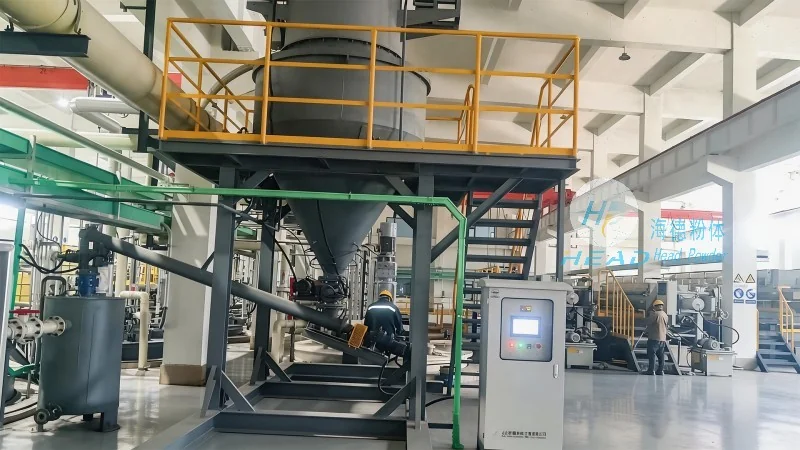
The primary components of a small stone material conveying system typically include a hopper or feeder for material intake, a conveyor belt or chain for transport, a drive system to provide power, and a control unit to manage operation. The hopper or feeder is designed to receive and distribute the small stones evenly, preventing overloading and ensuring consistent feed rates. The conveyor, which can be a belt conveyor or a chain conveyor, is the core element that moves the material along the designated path. The drive system, usually an electric motor coupled with a gearbox, supplies the necessary torque to rotate the conveyor rollers or sprockets. The control unit monitors and adjusts the speed and direction of the conveyor, responding to changes in load or operational conditions to maintain efficiency.
Working Principle: How Material is Transported
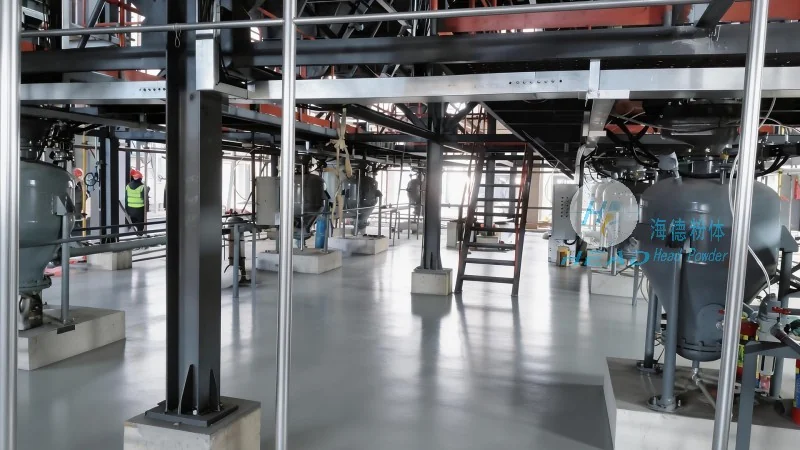
The working principle of small stone material conveying systems is based on the continuous movement of the conveyor surface, which carries the material from the inlet to the outlet. As small stones are fed into the hopper, they fall onto the conveyor belt or chain. The conveyor then moves the material forward due to the rotation of the drive rollers or sprockets. This process ensures that the material is transported without interruption, minimizing downtime and maximizing throughput. The design of the conveyor, including its angle of inclination and speed, is crucial for maintaining the stability of the material and preventing spillage or blockages. For example, a belt conveyor with a slight upward slope can effectively move the material without the need for additional lifting equipment, while a chain conveyor may be preferred for heavier or abrasive materials.
Operation Process: Step-by-Step Overview
The operation process of a small stone material conveying system begins with the loading of the material into the hopper. The feeder then regulates the flow of the material, ensuring a consistent feed rate that matches the conveyor's capacity. The conveyor belt or chain starts moving, transporting the material along the path from the inlet to the outlet. At the discharge point, the material is collected in a storage bin or directly transferred to the next processing stage, such as a crusher or screening machine. Throughout the process, the control system continuously monitors the speed, load, and temperature of the conveyor, providing real-time feedback to adjust operation parameters as needed. Regular maintenance, including checking the tension of the belt, lubricating the drive system, and cleaning the conveyor surface, is essential to ensure the longevity and efficiency of the system. Proper maintenance also helps prevent issues like belt slippage, material buildup, or mechanical failures that could disrupt production.
Company Profile: Shandong HeadPowder Engineering Co., Ltd.
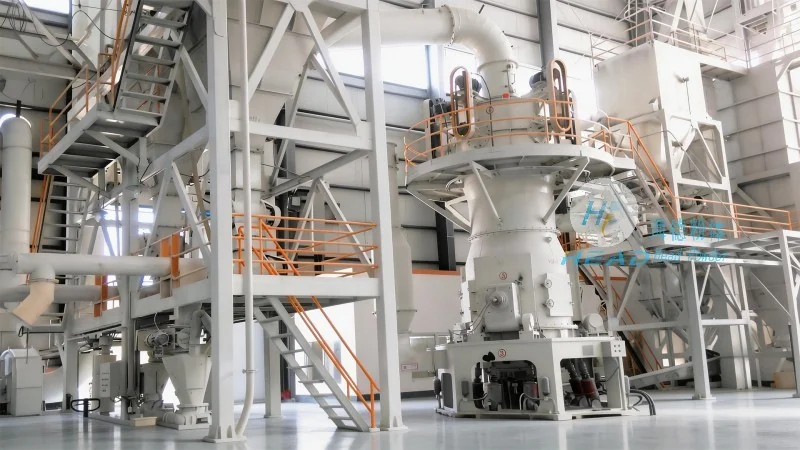
HeadPowder, a prominent manufacturer of small stone material conveying systems, is dedicated to providing high-quality and reliable material handling solutions. HeadPowder is headquartered in Shandong, China, and has established a strong reputation in the industry for its innovative designs, robust construction, and customer-focused approach. The company's products are engineered to meet the specific requirements of various industrial applications, ensuring that clients receive tailored solutions that enhance their operational efficiency and productivity. With a commitment to quality and service, HeadPowder continues to be a trusted partner for businesses seeking efficient and durable conveying equipment.




