Shandong HeadPowder Engineering Co., Ltd., a leading manufacturer based in China, specializes in the design and implementation of efficient cellulose material handling systems. These systems are crucial for industries dealing with fibrous or particulate cellulose materials, such as paper mills, biofuel production facilities, and agricultural processing plants. The company’s expertise lies in creating customized solutions that optimize material flow, enhance operational efficiency, and ensure reliable performance under various industrial conditions.
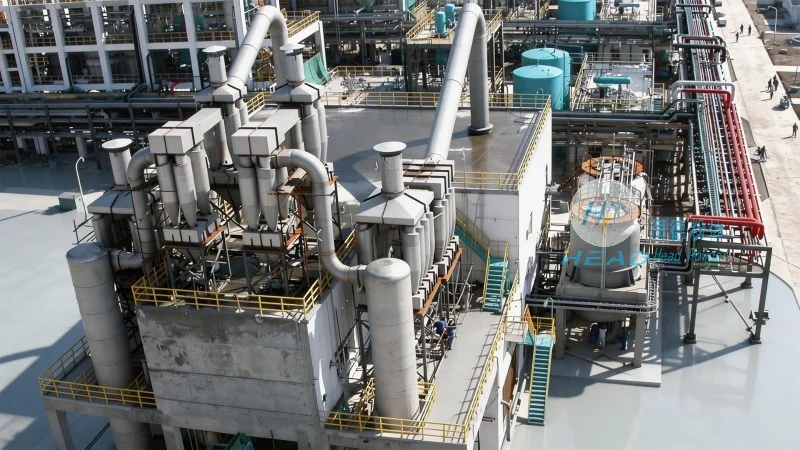
Key Components and Their Roles in Cellulose Material Handling
The core components of a cellulose material handling system typically include feed hoppers, conveyor belts, screw conveyors, and control panels. Each component plays a vital role in the overall operation. The feed hopper is responsible for storing and feeding the cellulose material into the system, ensuring a consistent supply. Conveyor belts are used for horizontal or slight incline transport, while screw conveyors handle vertical or more complex path movements. The control panel integrates sensors and actuators to monitor and adjust the system’s performance in real-time, maintaining optimal operational parameters.
Operation Process of Cellulose Material Handling Systems
The operation process of a cellulose material handling system begins with material loading into the feed hopper. Once the material is properly fed, it moves through the conveyor or screw conveyor system to the processing or storage area. The system’s control panel continuously monitors factors like material flow rate, pressure, and temperature to prevent blockages or overloading. In case of any anomalies, the control system triggers alarms or automatically adjusts the feeding rate to maintain smooth operation. This automated process ensures that the material is transported safely and efficiently from the source to the destination, minimizing downtime and maximizing productivity.
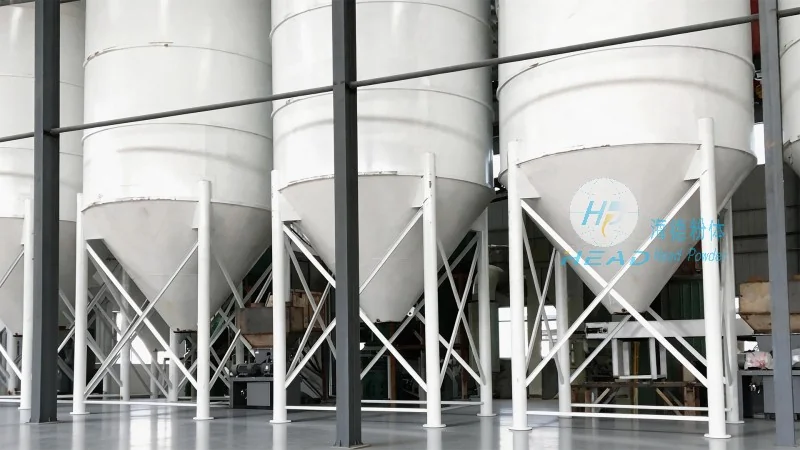
Working Principle of Cellulose Material Handling Systems
The working principle of cellulose material handling systems is based on mechanical energy transfer and material displacement. The system uses gravity, conveyor belts, or screw mechanisms to move the cellulose material. For horizontal transport, conveyor belts provide a smooth, continuous movement, while screw conveyors use rotating screws to push the material forward. Vertical transport relies on the screw’s helical structure to lift and move the material upward. The control system integrates sensors to detect material levels, speed, and position, ensuring that the system operates within safe and efficient parameters. This combination of mechanical and electronic components allows for precise control over the material handling process, adapting to varying material properties and production demands.
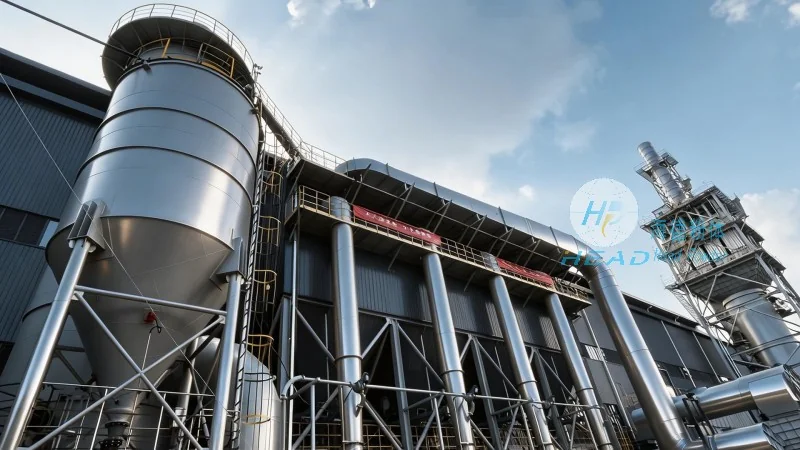
Benefits of Using Cellulose Material Handling Systems
Implementing cellulose material handling systems offers numerous benefits to industrial operations. Firstly, these systems enhance productivity by ensuring a consistent and continuous material flow, reducing manual handling and labor costs. Secondly, they improve safety by minimizing human exposure to heavy or fibrous materials, thereby lowering the risk of workplace injuries. Thirdly, the automated control systems provide real-time monitoring and data logging, enabling better process optimization and predictive maintenance. Additionally, the systems are designed for durability and low maintenance, reducing long-term operational costs. For industries dealing with large volumes of cellulose materials, such as paper production or biofuel processing, these systems are essential for maintaining competitive efficiency and operational reliability.
Customization and Application in Different Industries
Shandong HeadPowder Engineering Co., Ltd. offers customized cellulose material handling solutions tailored to the specific needs of various industries. For example, in paper mills, the systems are designed to handle pulp and paper fibers efficiently, ensuring smooth processing from raw material to finished products. In biofuel production, the systems manage biomass materials, optimizing the feedstock supply to bioreactors. Agricultural processing facilities use these systems to transport straw, hay, or other fibrous agricultural residues, improving the efficiency of feedstock preparation. The company’s expertise in material science and mechanical engineering allows for the design of systems that can handle different types of cellulose materials, from soft wood pulp to tough agricultural fibers, ensuring versatility and adaptability across diverse industrial applications.




