Welcome to Shandong HeadPowder Engineering Co., Ltd., a leading provider of advanced glass fiber powder pneumatic conveying systems. Our company specializes in the design, manufacturing, and installation of efficient and reliable equipment tailored for the transportation of glass fiber powders. This article will delve into the operation process and working principle of our glass fiber powder pneumatic conveying systems, highlighting the key components, the step-by-step operation, and the underlying technology that ensures optimal performance.
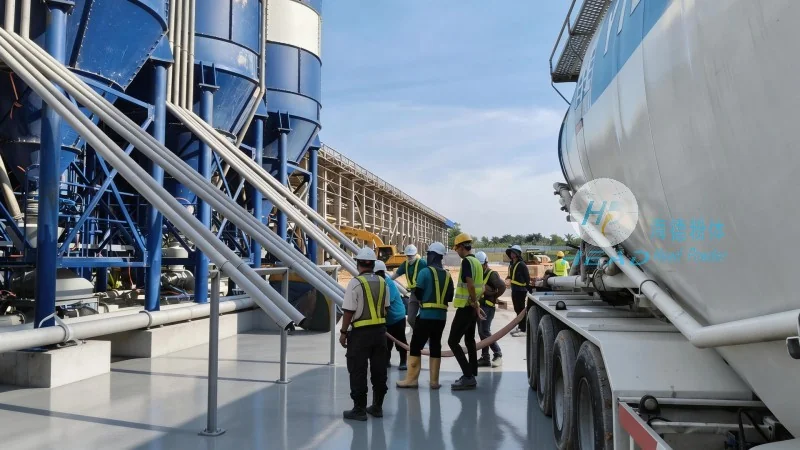
Company Overview
HeadPowder, or Shandong HeadPowder Engineering Co., Ltd., is headquartered in Shandong, China. With years of experience in the field of material handling and pneumatic conveying technology, we have developed a comprehensive range of solutions for various industrial applications. Our commitment to quality, innovation, and customer satisfaction has established us as a trusted partner in the industry, providing customized systems that meet the specific needs of our clients.
Understanding Glass Fiber Powder Pneumatic Conveying Systems
Glass fiber powder pneumatic conveying systems are engineered to transport glass fiber powders through a pressurized or vacuum environment using air or other gases. These systems are widely used in industries such as fiberglass manufacturing, composite materials production, and construction, where the efficient and safe handling of glass fiber powders is critical. The systems are designed to minimize dust generation, ensure product integrity, and maintain high levels of operational efficiency.
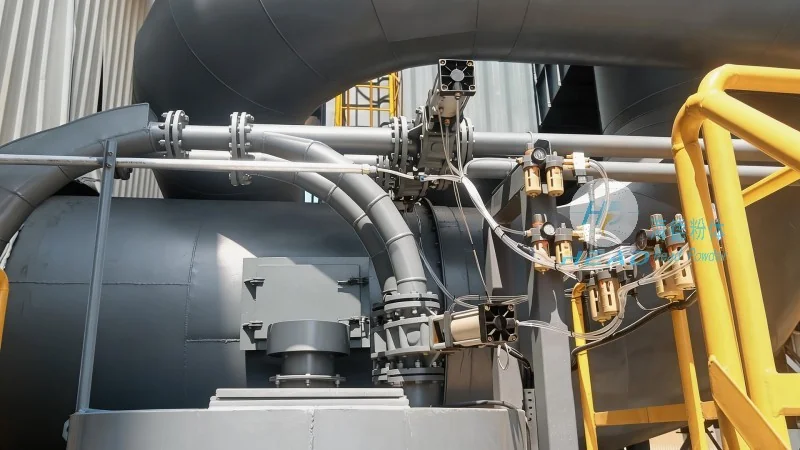
Key Components of the Pneumatic Conveying System
The glass fiber powder pneumatic conveying system typically consists of several essential components, each playing a crucial role in the overall operation. These components include the hopper or feeder, the conveying line, the air compressor or vacuum pump, the control system, and the discharge equipment. The hopper is responsible for storing and feeding the glass fiber powder into the system, while the conveying line transports the material to the destination. The air compressor generates the necessary pressure or vacuum to move the powder, and the control system monitors and regulates the flow of material and air. The discharge equipment then delivers the glass fiber powder to the final destination, such as a storage tank or processing unit.
Operation Process of the Glass Fiber Powder Pneumatic Conveying System
The operation of the glass fiber powder pneumatic conveying system follows a systematic process to ensure smooth and efficient material transport. The process begins with the loading of glass fiber powder into the hopper. The feeder then controls the flow rate of the powder into the conveying line. Simultaneously, the air compressor generates the required pressure or vacuum, which is introduced into the conveying line. As the air flows through the line, it entrains the glass fiber powder particles, forming a slurry-like mixture that is transported to the discharge point. The control system continuously monitors the pressure, flow rate, and other parameters to maintain optimal operation. Once the powder reaches the discharge equipment, it is released into the target container or processing unit. The system then returns to its initial state, ready for the next cycle of operation.
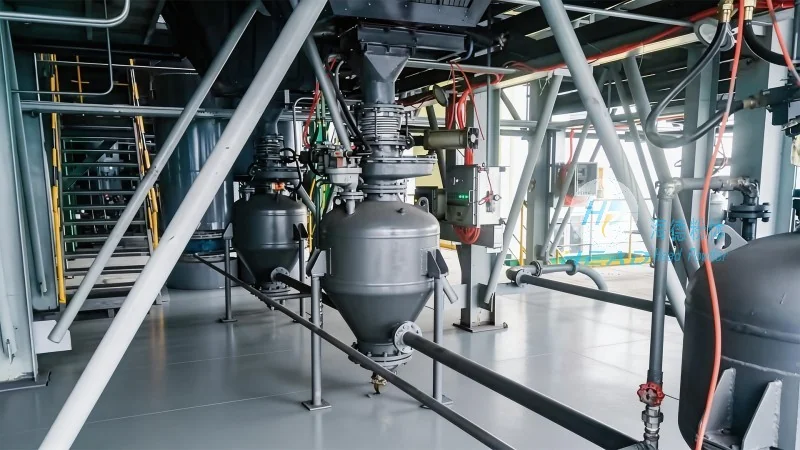
Working Principle of the Glass Fiber Powder Pneumatic Conveying System
The working principle of the glass fiber powder pneumatic conveying system is based on the fundamental physics of fluid dynamics and particle transport. The system operates by creating a pressure differential between the source and the destination. In a pressurized system, the air compressor increases the pressure in the conveying line, pushing the glass fiber powder forward. In a vacuum system, the vacuum pump reduces the pressure at the destination, drawing the powder from the source. The air or gas acts as a carrier medium, entraining the powder particles and transporting them through the line. The velocity of the air and the size of the powder particles determine the efficiency of the conveying process. Proper design of the conveying line, including the diameter and length, is crucial to ensure that the air velocity is sufficient to maintain the powder in suspension and prevent clogging or blockages.
Advantages of Glass Fiber Powder Pneumatic Conveying Systems
Glass fiber powder pneumatic conveying systems offer several advantages over traditional material handling methods. These include reduced labor costs, as the system automates the transportation process, minimizing the need for manual handling. The systems also improve product quality by minimizing dust generation and contamination, which is critical for glass fiber powders used in high-performance applications. Additionally, the systems provide greater flexibility in terms of layout and integration with other processing equipment. The ability to transport materials over long distances without the need for intermediate storage or transfer points enhances operational efficiency and reduces downtime. Furthermore, the systems are designed to be compact and space-efficient, making them suitable for installations in limited spaces.
Applications and Industries Served
Glass fiber powder pneumatic conveying systems are widely used in various industries that rely on the efficient handling of glass fiber powders. These include the fiberglass manufacturing industry, where the systems are used to transport raw glass fiber powders to the production lines. The composite materials industry also utilizes these systems to convey glass fiber powders for the production of reinforced plastics and other composite products. The construction industry benefits from the systems in the handling of glass fiber powders used in insulation and other building materials. Additionally, the systems are used in research and development laboratories for the handling of specialized glass fiber powders used in scientific applications.
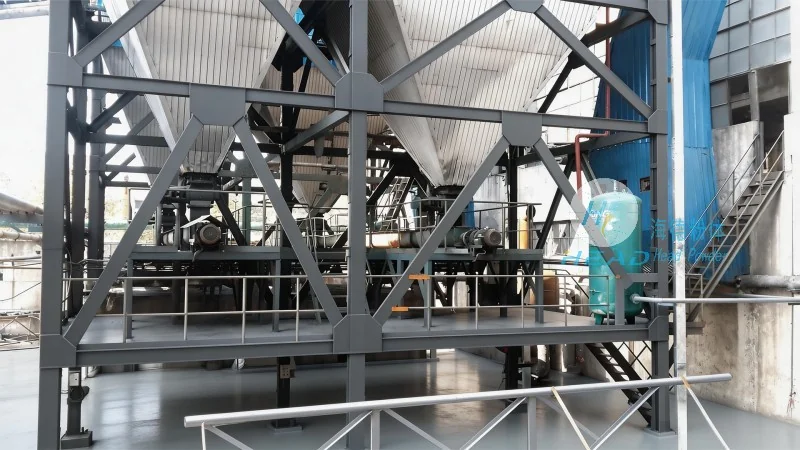
Maintenance and Operational Considerations
To ensure the long-term performance and reliability of the glass fiber powder pneumatic conveying system, regular maintenance is essential. This includes checking and replacing air filters, inspecting the conveying line for blockages or wear, and maintaining the control system components. Proper cleaning of the hopper and feeder is also important to prevent the buildup of powder residue, which can affect the system's efficiency. Operational considerations include monitoring the pressure and flow rates, ensuring that the system operates within the recommended parameters. Regular calibration of the control system and the feeder is necessary to maintain consistent material flow rates. Additionally, training of operators on the proper use and maintenance of the system is crucial to prevent operational issues and ensure safety.
Conclusion
Glass fiber powder pneumatic conveying systems are an essential component of modern industrial material handling, offering efficient, reliable, and safe transportation of glass fiber powders. Shandong HeadPowder Engineering Co., Ltd. provides high-quality systems that are tailored to meet the specific needs of our clients, ensuring optimal performance and longevity. By understanding the operation process and working principle of these systems, industries can leverage the benefits of pneumatic conveying to enhance their production processes and improve overall efficiency.




