Polycarbonate pneumatic conveying systems are widely utilized in industrial settings for efficient material transport. Proper system design is essential to ensure operational efficiency, reliability, and longevity. This article outlines key design considerations for such systems, focusing on practical aspects that engineers and operators should prioritize.
System Selection and Material Compatibility
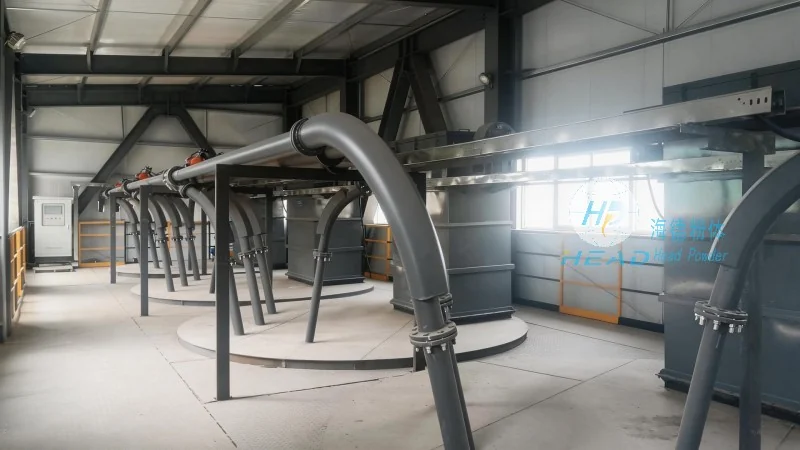
Choosing the appropriate pneumatic conveying system type is the initial critical step. The selection hinges on material properties like particle size, density, and flowability, as well as the required conveying distance and throughput. For polycarbonate materials—known for their lightweight nature and specific handling characteristics—a positive pressure system is typically preferred. This system uses compressed air to push material through the pipeline, ensuring consistent flow and preventing material degradation. Shandong HeadPowder Engineering Co., Ltd. specializes in designing customized solutions tailored to the unique demands of polycarbonate processing. Their expertise in material science and pneumatic technology allows them to optimize system performance, minimizing energy consumption and maximizing material integrity.
Pressure and Flow Rate Management
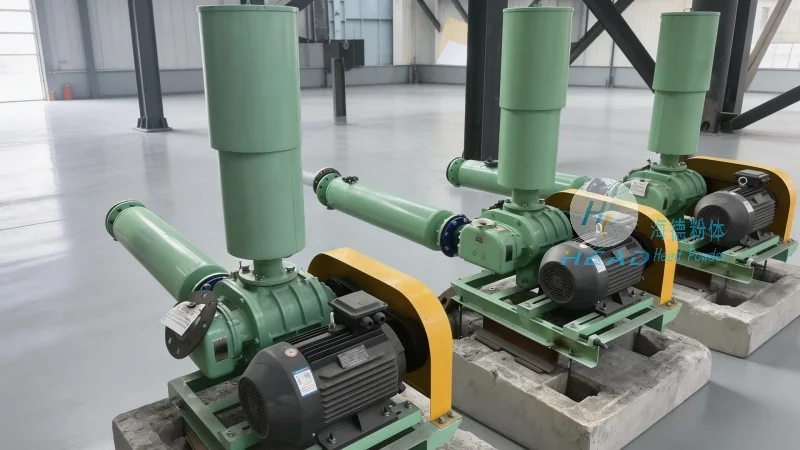
Effective pressure control is vital for maintaining stable conveying conditions. The system must accommodate the specific pressure requirements of polycarbonate, which vary based on particle size and pipeline length. Overpressure can cause system damage or material spillage, while underpressure may lead to blockages or reduced throughput. Shandong HeadPowder Engineering Co., Ltd. employs advanced pressure monitoring and control technologies, including variable frequency drives (VFDs) for air compressors, which adjust the air supply based on real-time demand. This optimizes energy use and prevents unnecessary wear on components. Proper flow rate management also involves selecting appropriate air velocities; excessive velocity can cause particle attrition, while insufficient velocity may result in deposition and blockages. The company’s engineers conduct thorough calculations and simulations to determine optimal flow rates, ensuring the system operates within safe and efficient parameters.
Pipeline Design and Layout
The design of the conveying pipeline significantly impacts system performance. For polycarbonate, which is sensitive to abrasion and temperature changes, pipeline material selection is critical. Polycarbonate itself is a suitable choice for the pipeline due to its resistance to chemical corrosion and impact resistance, but the system must also account for air pressure and material flow effects on pipe walls. The pipeline layout should minimize bends and directional changes to reduce pressure losses and prevent material accumulation. Shandong HeadPowder Engineering Co., Ltd. utilizes computational fluid dynamics (CFD) to model pipeline designs, enabling visualization of flow patterns and identification of potential issues before construction. This approach ensures the pipeline is optimized for both efficiency and durability. Additionally, the inclusion of expansion joints and flexible connectors is essential to accommodate thermal expansion and reduce stress on system components. Proper sealing of all joints is also crucial to prevent air leakage, which can reduce conveying efficiency and increase energy costs.
Dust Collection and Environmental Control
Polycarbonate materials often generate fine dust during handling, posing health and environmental risks. Thus, an effective dust collection system is a mandatory component of the design. The system must capture fine particles and prevent their release into the environment. Shandong HeadPowder Engineering Co., Ltd. integrates high-efficiency particulate air (HEPA) filters and dust collectors into their designs, ensuring compliance with environmental regulations. The dust collection system is typically connected to the conveying pipeline at strategic points, such as the material inlet and outlet, to capture both airborne and settled dust. Proper maintenance of the dust collection equipment is also critical to maintain its efficiency. The company provides regular maintenance services to ensure the system operates at peak performance, minimizing downtime and environmental impact.
System Integration and Automation
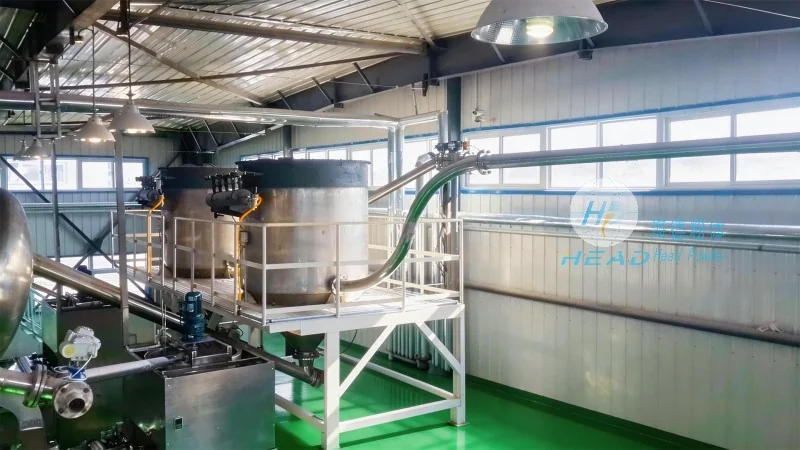
Modern pneumatic conveying systems benefit from integration with automation and control systems. This enables real-time monitoring of system performance, early detection of issues, and automated adjustments to maintain optimal conditions. Shandong HeadPowder Engineering Co., Ltd. offers comprehensive automation solutions, including sensors for pressure, flow, and temperature, as well as control panels with user-friendly interfaces. These systems allow operators to monitor the entire conveying process from a central location, reducing the need for manual intervention and improving overall system reliability. Integration of data logging and analytics also supports performance optimization over time. By analyzing historical data, the company can identify trends and make adjustments to improve efficiency, reduce energy consumption, and extend the lifespan of system components. This proactive approach to system management ensures long-term operational success.
Maintenance and Longevity
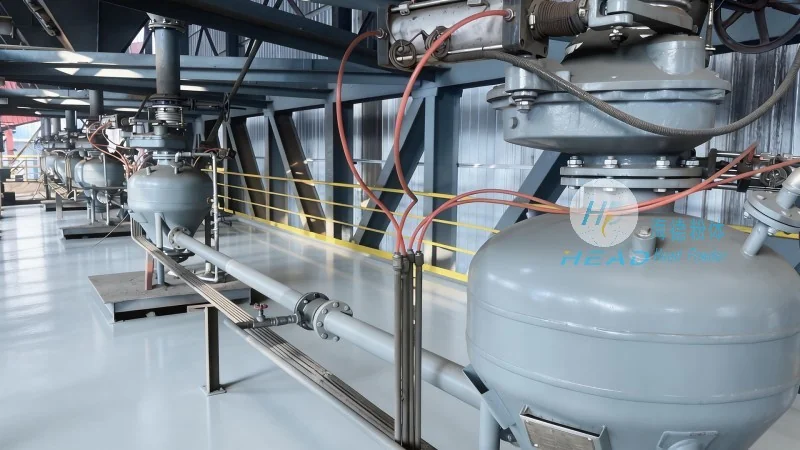
Proper maintenance is essential to ensure the long-term performance and reliability of a polycarbonate pneumatic conveying system. Regular inspections and maintenance can prevent minor issues from escalating into major problems. Shandong HeadPowder Engineering Co., Ltd. provides detailed maintenance schedules and guidelines tailored to the specific system design. This includes routine checks of air compressors, filters, and pipeline components, as well as periodic cleaning of the conveying system to remove accumulated material. The company’s expertise in system maintenance ensures all components are serviced according to manufacturer specifications, maximizing their lifespan and minimizing failure risk. By following a proactive maintenance plan, operators can extend operational life, reduce downtime, and maintain consistent material handling performance. This approach also helps reduce long-term operational costs by preventing costly repairs or system replacements.
Conclusion
Designing a polycarbonate pneumatic conveying system requires careful consideration of multiple factors, including material properties, system type, pressure management, pipeline design, dust control, and automation. By addressing these considerations, engineers can create a system that is efficient, reliable, and durable. Shandong HeadPowder Engineering Co., Ltd., with its expertise in pneumatic technology and material handling, offers comprehensive solutions that meet the unique needs of polycarbonate processing. Their commitment to quality, innovation, and customer service ensures clients receive systems that not only meet but exceed expectations. Whether for new installations or system upgrades, the company’s approach to design and implementation provides a solid foundation for successful material handling operations.




