When designing a pneumatic conveying system for cotton seed, several critical factors must be carefully evaluated to ensure efficient, reliable, and cost-effective operation. The system's performance is directly influenced by the selection of components, material properties, and operational parameters. This article outlines key design considerations to guide engineers and technicians in implementing an optimal cotton seed pneumatic conveying solution.
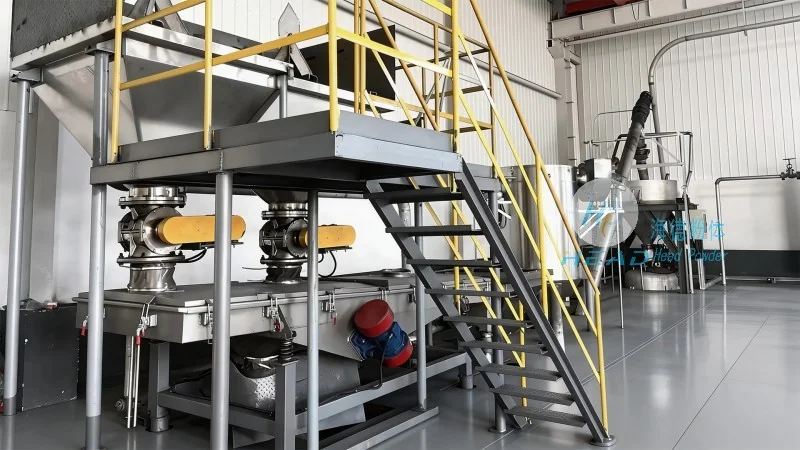
System Type Selection: Dilute Phase vs. Dense Phase
Choosing the appropriate system type is the first critical decision in cotton seed pneumatic conveying design. Dilute phase systems, which rely on high air velocity to transport material in a dispersed state, are commonly used for short to medium distances and moderate material flow rates. Dense phase systems, on the other hand, use lower air velocities and higher material concentrations to achieve more controlled and energy-efficient transport, often suitable for longer distances or when handling delicate materials like cotton seed.
Pipeline Design and Layout
The layout of the conveying pipeline significantly impacts system efficiency and maintenance. Properly designed pipelines minimize pressure losses, reduce material degradation, and ensure smooth material flow. Key considerations include the use of appropriate pipe diameters, smooth interior surfaces to prevent material buildup, and strategic placement of bends, elbows, and vertical sections. Vertical lifts require careful consideration of air velocity and pressure to prevent material settling or blockages. Horizontal runs should be sloped slightly upward from the source to the destination to facilitate material movement.
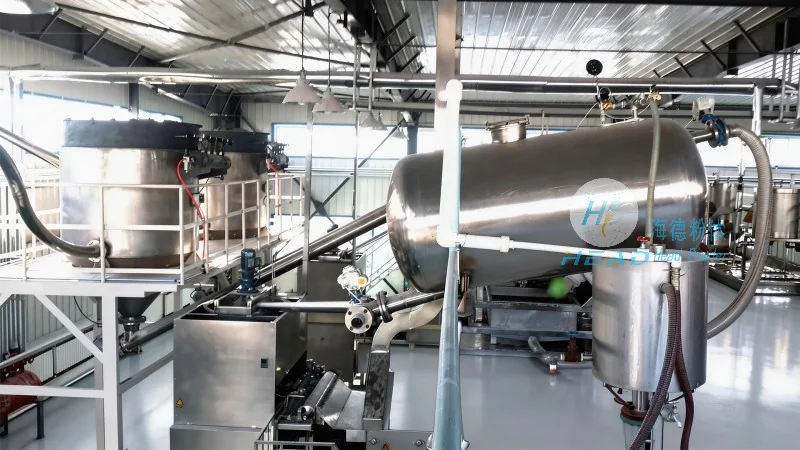
Air Source and Compressor Selection
The air source, typically a rotary lobe or centrifugal compressor, must be selected based on the system's required air volume and pressure. For cotton seed, which has a relatively low bulk density, higher air velocities are often needed to maintain material suspension. The compressor's capacity should be matched to the system's maximum flow rate and pressure drop requirements. Additionally, the air quality is crucial; filtration systems are essential to remove contaminants that could damage the system or degrade the cotton seed.
Material Handling Equipment
Key equipment such as feeders, cyclones, and dust collectors must be selected to handle the specific characteristics of cotton seed. Feeders, like rotary valves or screw feeders, ensure a consistent material feed rate, preventing surges or blockages. Cyclones are used for separation and cleaning, effectively removing dust and debris from the air stream. The selection of these components must consider the seed's size, shape, and moisture content to avoid equipment wear or material degradation.
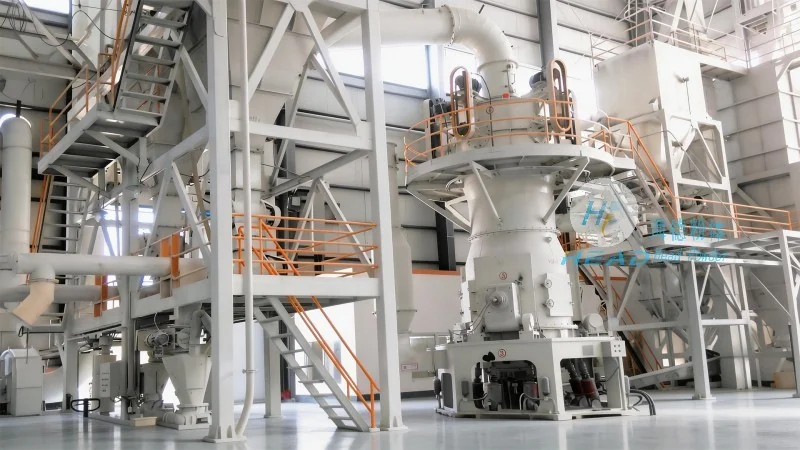
System Controls and Monitoring
Implementing a robust control system is vital for maintaining optimal operation and preventing system failures. Sensors for pressure, flow, and temperature provide real-time data, allowing for automatic adjustments to maintain consistent performance. Automated controls can regulate air pressure, material feed rates, and system shutdowns in case of abnormal conditions, enhancing safety and efficiency.
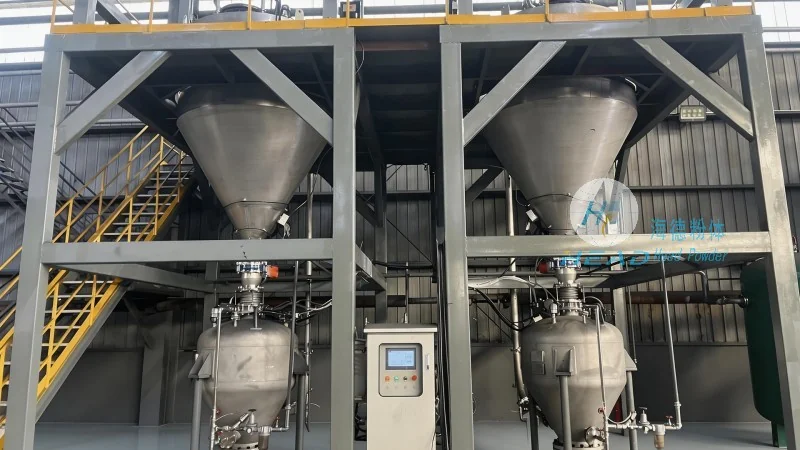
Installation and Maintenance Considerations
Proper installation and regular maintenance are essential for the long-term reliability of the system. Installation should follow manufacturer guidelines, ensuring all components are properly aligned and secured. Regular maintenance, including cleaning of filters, checking for wear on components, and verifying system performance, helps prevent breakdowns and extends the system's lifespan.
Environmental and Safety Considerations
Designing the system with environmental and safety in mind is crucial. Proper ventilation and dust control measures are necessary to comply with regulations and protect personnel. The system should be designed to minimize dust emissions and ensure safe operation in industrial environments. Additionally, safety features such as emergency shut-off valves and pressure relief devices should be included to protect against potential hazards.




