Asphalt powder pneumatic conveying equipment is a specialized system designed to transport fine asphalt powder efficiently and reliably. This equipment is crucial in various industrial applications, particularly in the construction and manufacturing sectors where the handling of bulk powders is essential. The primary function of such equipment is to move asphalt powder from a source to a destination using air as the conveying medium, ensuring minimal loss and contamination during the process.
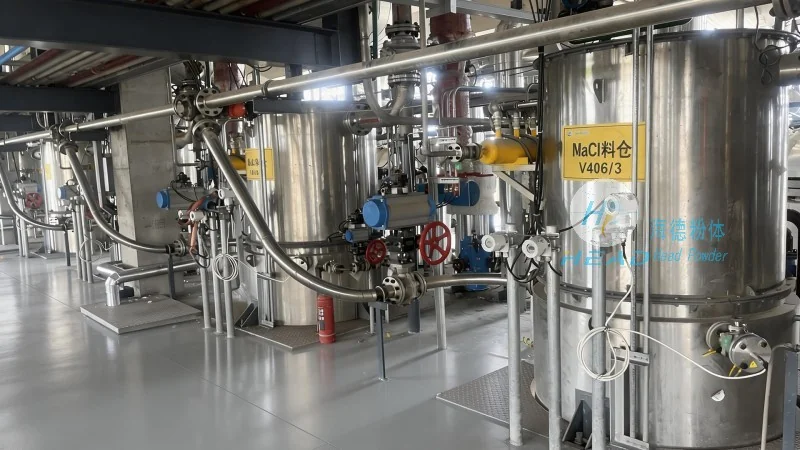
Overview of Asphalt Powder Pneumatic Conveying Equipment
At the core of asphalt powder pneumatic conveying systems is the ability to handle fine, potentially abrasive materials like asphalt powder. These systems are engineered to maintain the integrity of the powder while ensuring smooth and continuous operation. The equipment typically consists of several key components that work in tandem to achieve effective material transport. Understanding each component's role is essential to grasp the overall functionality of the system.
Key Components and Their Functions
The main components of an asphalt powder pneumatic conveying system include the hopper, feeder, air compressor, conveying line, and receiver. Each component plays a critical role in the operation of the system:
1. **Hopper**: The hopper is the storage container where the asphalt powder is initially held. It is designed to accommodate the bulk of the material and ensure a consistent feed to the feeder. The hopper often features a sloped bottom to facilitate the flow of powder into the feeder, minimizing the risk of clogging or bridging.
2. **Feeder**: The feeder is responsible for controlling the flow rate of the asphalt powder from the hopper to the conveying line. Common types of feeders include rotary valves, screw feeders, and vibratory feeders. The feeder maintains a steady flow, preventing surges or interruptions that could affect the conveying efficiency.
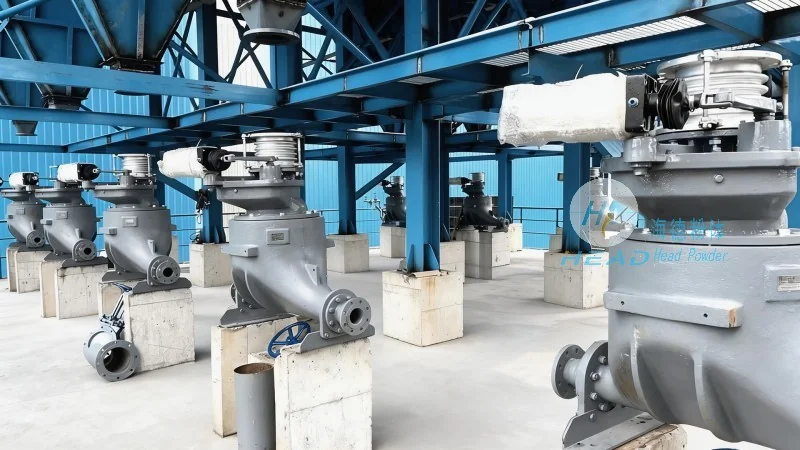
3. **Air Compressor**: The air compressor generates the necessary air pressure to move the powder through the conveying line. The compressor is typically a positive displacement type, such as a rotary screw or reciprocating compressor, which provides the required airflow and pressure to overcome resistance in the system.
4. **Conveying Line**: The conveying line is the pipeline through which the air and powder mixture travels. It is usually made of materials like stainless steel or PVC to resist corrosion and abrasion from the asphalt powder. The line may include bends, elbows, and filters to ensure the smooth passage of the material and to prevent blockages.
5. **Receiver**: The receiver is the final container where the asphalt powder is deposited after being conveyed. It is designed to collect the material efficiently and may include a discharge valve or outlet for further processing or use.
Working Principle of the Pneumatic Conveying Process
The operation of an asphalt powder pneumatic conveying system follows a systematic process. Initially, the asphalt powder is fed from the hopper into the feeder. The feeder then controls the flow rate, ensuring a consistent supply to the conveying line. Simultaneously, the air compressor generates high-pressure air, which is introduced into the conveying line at the inlet of the hopper or feeder.
As the air flows through the line, it creates a low-pressure zone that draws the asphalt powder into the air stream. The powder is then carried along the conveying line by the moving air, forming a suspension of powder and air. The mixture travels through the pipeline, passing through any bends or filters, and eventually reaches the receiver. At the receiver, the air is separated from the powder, often through a cyclone or filter system, and the powder is collected in the receiver for further use.
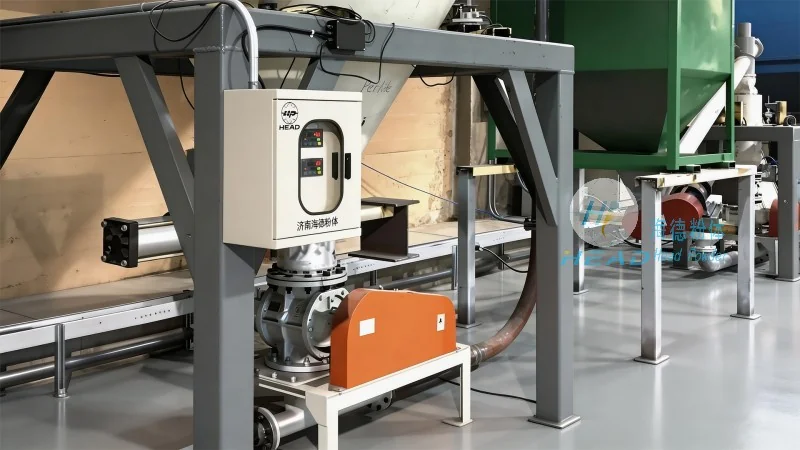
Advantages of Asphalt Powder Pneumatic Conveying Equipment
There are several advantages to using pneumatic conveying systems for asphalt powder. Firstly, these systems offer a high degree of flexibility in terms of layout and installation, as the conveying line can be arranged in various configurations to suit the specific requirements of the facility. Secondly, pneumatic conveying minimizes material loss and contamination, as the powder is enclosed within the system, reducing exposure to the environment. Thirdly, the equipment can handle a wide range of powder characteristics, including fine, cohesive, or abrasive materials, making it suitable for diverse applications.
Applications in Industrial Settings
Asphalt powder pneumatic conveying equipment is widely used in various industrial applications. In the construction industry, it is employed to transport asphalt powder for road paving and roofing applications. The equipment ensures that the powder is delivered to the mixing plant or construction site without any loss or degradation. In manufacturing, it is used in the production of asphalt-based products, such as asphalt emulsions or modified bitumen, where consistent powder quality is crucial. Additionally, the equipment is utilized in research and development laboratories to handle small quantities of asphalt powder for testing and analysis.
Maintenance and Operational Considerations
Proper maintenance is essential to ensure the reliable operation of asphalt powder pneumatic conveying equipment. Regular inspection of components such as the hopper, feeder, and conveying line is necessary to detect any signs of wear or damage. The air compressor should be checked for proper performance, including pressure and airflow, to prevent any operational issues. Additionally, the filters and cyclones in the system should be cleaned regularly to maintain efficient air separation and prevent clogging. Proper training of operators is also important to ensure safe and effective operation of the equipment.
Conclusion
Asphalt powder pneumatic conveying equipment is a vital component in the efficient handling of fine asphalt powder. By understanding the structure and working principle of the system, users can appreciate the benefits of using such equipment in industrial applications. The equipment, manufactured by companies like Shandong HeadPowder Engineering Co., Ltd., based in China, offers reliable and efficient solutions for transporting asphalt powder, ensuring minimal loss and contamination while maintaining high operational standards.




