Asbestos trioxide, also known as arsenic trioxide, is a chemical compound widely used in various industrial applications. The efficient and safe handling of this material is crucial for industrial processes, and pneumatic conveying systems offer a reliable solution. This article provides an overview of the pneumatic conveying system for asbestos trioxide, detailing its working principles and the benefits it offers in material transport.
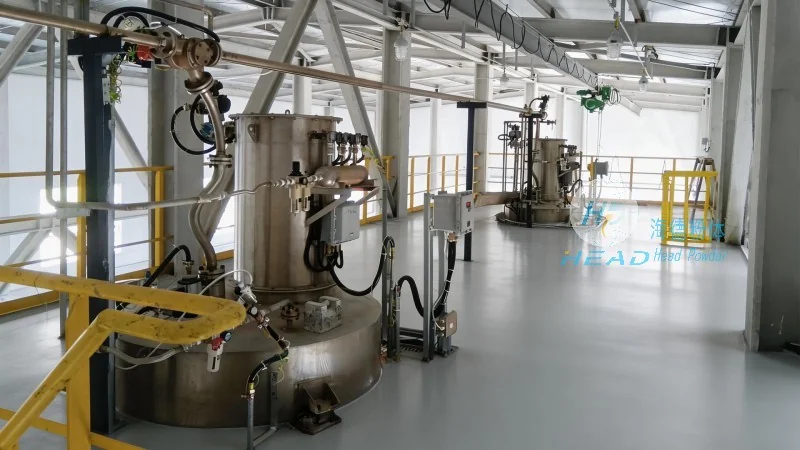
Pneumatic Conveying System for Asbestos Trioxide: Core Components and Functionality
The pneumatic conveying system for asbestos trioxide consists of several key components that work in tandem to transport the material from one location to another. These components include a hopper for material storage, a feeder to control the flow rate, a conveying line (typically a pipe), a blower or compressor to generate the air flow, and a receiver for the material's deposition. The system operates by introducing air or gas into the conveying line, creating a flow that carries the fine particles of asbestos trioxide through the pipe network.
Working Principle of the Pneumatic Conveying System
The fundamental principle behind the pneumatic conveying system is the use of air or gas to transport solid particles. In the case of asbestos trioxide, the system relies on the creation of a low-pressure or high-pressure air stream within the conveying line. The material is introduced into the system via the hopper and feeder, where it is then entrained by the moving air stream. As the air flows through the pipe, it carries the particles along, ensuring that the material is transported efficiently without the need for mechanical components like belts or buckets. This method is particularly effective for handling fine powders, as it minimizes particle degradation and prevents contamination.
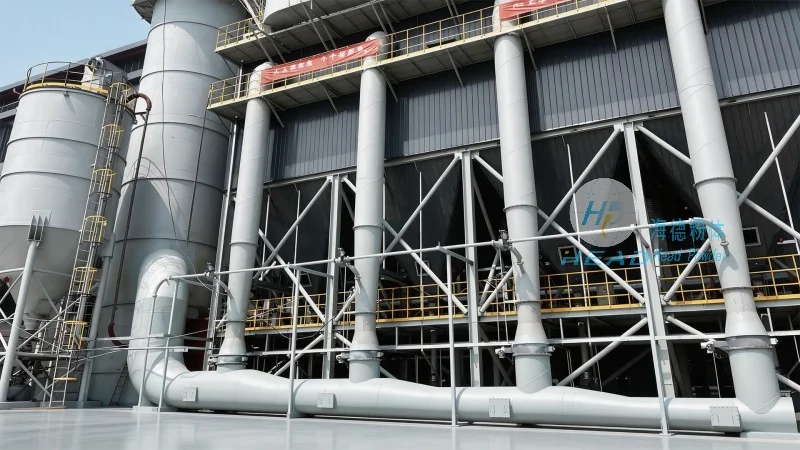
Advantages of Pneumatic Conveying for Asbestos Trioxide Handling
Implementing a pneumatic conveying system for asbestos trioxide offers several advantages over traditional material handling methods. Firstly, it provides a closed system, which helps in maintaining environmental safety and preventing dust emissions. This is critical for handling hazardous materials like asbestos trioxide, as it reduces the risk of exposure to workers and minimizes the impact on the surrounding environment. Secondly, the system is highly flexible, allowing for the transport of materials over long distances and through complex pipe networks. It can also handle varying flow rates and material characteristics, making it adaptable to different industrial needs. Additionally, pneumatic conveying systems are relatively low maintenance compared to other bulk material handling solutions, reducing operational costs over time.
Application Scenarios and Industrial Use Cases
The pneumatic conveying system for asbestos trioxide is commonly used in various industrial sectors, including pharmaceuticals, chemical manufacturing, and mining. In pharmaceutical applications, it is used to transport raw materials and intermediates in the production of arsenic-based drugs, ensuring a clean and controlled process. In chemical manufacturing, the system is employed to move asbestos trioxide for further processing, such as in the production of other arsenic compounds. The mining industry also utilizes this technology to transport ore containing arsenic trioxide from extraction sites to processing facilities. Each of these applications benefits from the system's ability to handle fine powders efficiently and safely, contributing to improved productivity and reduced operational risks.
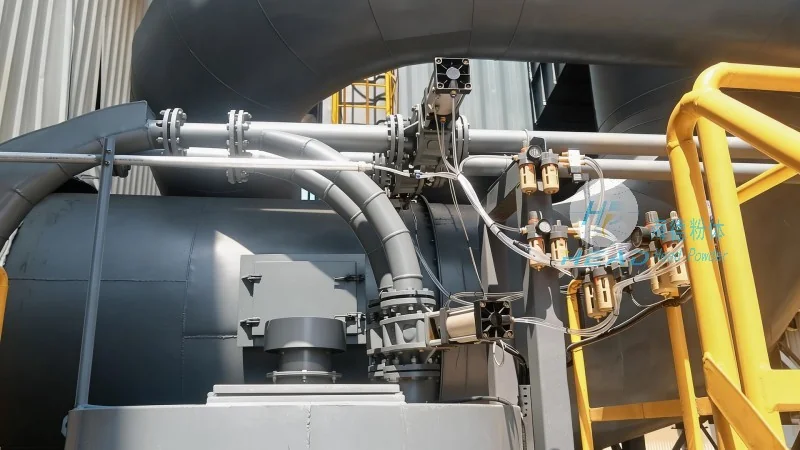
Company Profile: Shandong HeadPowder Engineering Co., Ltd.
Shandong HeadPowder Engineering Co., Ltd., commonly known as HeadPowder, is a leading provider of industrial material handling solutions. With its headquarters located in Shandong, China, the company specializes in designing and manufacturing pneumatic conveying systems tailored to the needs of various industries. HeadPowder's expertise lies in understanding the unique challenges of handling hazardous materials like asbestos trioxide and developing customized solutions that ensure safety, efficiency, and compliance with industry standards. The company's commitment to quality and innovation has made it a trusted partner for businesses seeking reliable material transport systems.
Conclusion and Future Outlook
In conclusion, the pneumatic conveying system for asbestos trioxide is a sophisticated and effective method for material transport, offering numerous benefits in terms of safety, efficiency, and flexibility. As industries continue to seek advanced solutions for handling hazardous materials, the demand for such systems is likely to grow. Companies like Shandong HeadPowder Engineering Co., Ltd. play a vital role in providing these solutions, ensuring that industrial processes can be carried out safely and efficiently. The continued development and refinement of pneumatic conveying technology will further enhance its capabilities, making it an indispensable tool in modern industrial operations.




