For industries dealing with fibrous materials, efficient material handling is crucial to maintain production efficiency and ensure product quality. Pneumatic conveying systems offer a reliable solution by transporting these materials through a pipeline using air pressure. This method not only enhances operational safety by eliminating the need for mechanical components in the conveying path but also provides flexibility in system design and integration with existing production lines. The following sections will delve into the operation process and working principles of such systems, highlighting the key components and the dynamics involved in moving fibrous materials through the system.
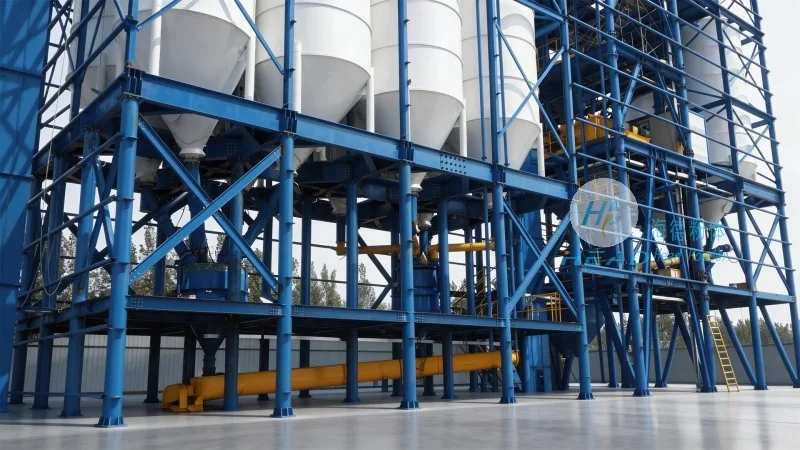
Key Components of Pneumatic Conveying Systems
The effectiveness of a pneumatic conveying system for fibrous materials relies on several critical components that work in concert to ensure smooth material transport. The primary components include the material feed hopper, the air supply system (usually a blower or compressor), the conveying pipeline, and the discharge equipment. Each component plays a vital role in the overall functionality of the system.
The material feed hopper is designed to store and feed the fibrous material into the system. It often features a hopper with a sloped bottom and a feeder mechanism, such as a rotary valve or a screw feeder, to control the flow rate of the material. This ensures a consistent feed rate, preventing blockages and maintaining the stability of the conveying process. The air supply system provides the necessary pressure and airflow to move the material through the pipeline. Depending on the system design, this can be a positive displacement blower or a centrifugal fan, with the choice influenced by factors like the material characteristics, system length, and required conveying velocity.
The conveying pipeline is typically made of stainless steel or other corrosion-resistant materials to withstand the abrasive nature of fibrous materials and the effects of air pressure. The pipeline diameter and length are carefully selected to match the material's flow characteristics and the desired conveying velocity. The discharge equipment, located at the end of the pipeline, collects the conveyed material and may include a hopper or a silo for further processing. In some cases, a cyclone separator is used to separate the material from the air stream before discharge, ensuring that the material is collected efficiently and without loss.
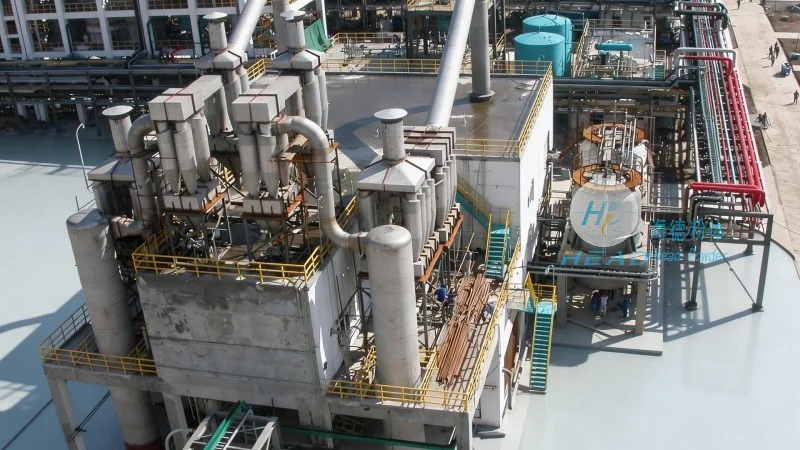
Operation Process of Pneumatic Conveying for Fibrous Materials
The operation process of a pneumatic conveying system for fibrous materials involves several sequential steps that ensure the material is transported from the feed point to the discharge point. The process begins with the material being loaded into the feed hopper. The feeder mechanism then controls the flow of material into the pipeline, where it is mixed with the air supplied by the blower. As the air flows through the pipeline, it creates a low-pressure zone that draws the material into the air stream, forming a suspension of material particles and air.
This suspension travels through the pipeline at a velocity sufficient to keep the material particles suspended and prevent them from settling. The velocity required depends on the material's density, particle size, and the pipeline diameter. If the velocity is too low, the material will settle and cause blockages; if it is too high, excessive energy consumption and wear on the system components may occur. The system is designed to maintain an optimal velocity to balance these factors and ensure efficient conveying.
As the material-air suspension reaches the discharge point, the air is typically separated from the material using a cyclone separator or a filter. The separated air is then either recirculated back to the blower or vented to the atmosphere, depending on the system design. The fibrous material is collected in the discharge hopper and can be further processed or stored. The entire process is automated, with the feeder and blower operating based on the material level in the hopper and the system pressure, ensuring continuous and reliable operation.
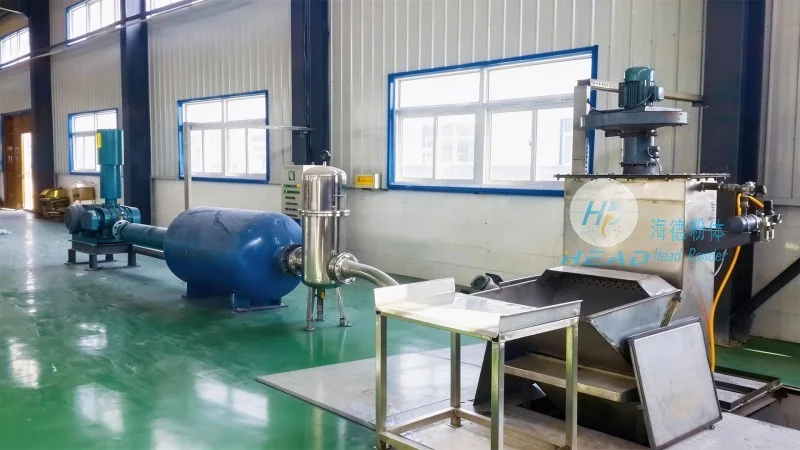
Working Principles of Pneumatic Conveying Systems
The working principle of a pneumatic conveying system for fibrous materials is based on the principle of fluidization and suspension. When air is introduced into the pipeline at a sufficient velocity, it creates a fluidized bed of material particles, where the particles are suspended and transported along with the air stream. This principle allows for the efficient transport of fibrous materials without the need for mechanical conveyors, which can be prone to blockages and maintenance issues.
The system operates under either positive or negative pressure, depending on the design. In positive pressure systems, the air is pressurized and forced through the pipeline, pushing the material forward. In negative pressure (or vacuum) systems, the air is drawn from the discharge end, creating a vacuum that pulls the material through the pipeline. The choice between positive and negative pressure depends on factors such as the material's properties, the system layout, and the need to prevent dust emissions or maintain product integrity.
The key to successful operation lies in maintaining the correct air-to-material ratio. This ratio determines the conveying velocity and the efficiency of the system. If the air flow is too low, the material will not be fully suspended, leading to blockages and reduced throughput. Conversely, if the air flow is too high, the system may consume excessive energy and cause wear on the components. The system is designed with sensors and controls to monitor the air flow and material level, adjusting the feeder speed and blower output as needed to maintain the optimal ratio.




