HeadPowder, a leading manufacturer based in Shandong, China, specializes in the design and production of advanced pneumatic conveying systems tailored for the efficient handling of dry desulfurizer powders. These machines are engineered to meet the stringent requirements of modern industrial applications, ensuring reliable and safe material transport in power plants, chemical facilities, and other sectors where desulfurization processes are critical.
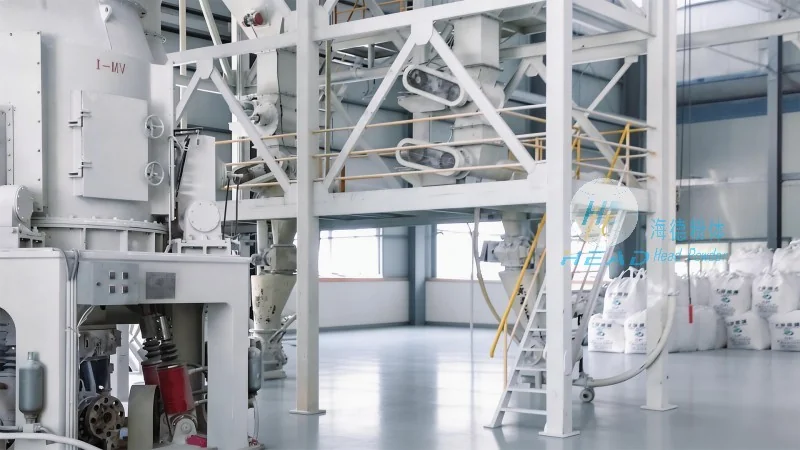
Key Components and Structure of the Pneumatic Conveying Machine
The pneumatic conveying machine for dry desulfurizer powder consists of several core components that work in concert to achieve optimal performance. The system typically includes a hopper for material storage, a rotary valve or feeder to control the flow rate, a conveying pipeline network, and a receiver or discharge unit. The hopper is designed with a smooth interior to prevent material buildup and ensure consistent feeding. The rotary valve acts as a gate, regulating the amount of powder released into the pipeline, which is crucial for maintaining stable conveying pressure and preventing blockages. The pipeline is constructed from corrosion-resistant materials, such as stainless steel or special alloys, to withstand the chemical properties of desulfurizer powders and the operating conditions of the system. The receiver is equipped with a dust collection system to capture any fine particles and maintain environmental compliance.
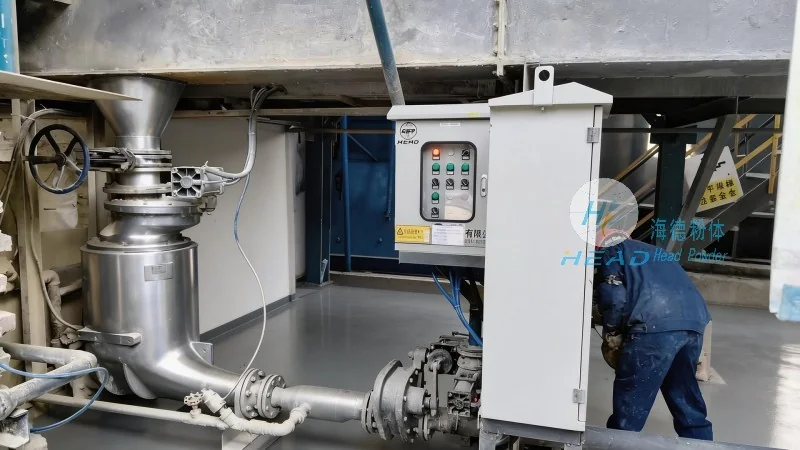
Working Principle of the Pneumatic Conveying Process
The operation of the pneumatic conveying machine for dry desulfurizer powder relies on the principle of air flow to transport the powder. The process begins with the material being fed from the hopper into the pipeline through the rotary valve. Simultaneously, a high-pressure air stream is introduced into the pipeline, creating a vacuum or pressure differential that propels the powder particles forward. The air and powder mixture travels through the pipeline, with the velocity of the air being sufficient to keep the powder suspended and prevent settling. As the mixture reaches the receiver, the air is separated from the powder, often through a cyclone or filter system, and the powder is collected in the receiver. The air is then discharged to the atmosphere or recirculated, depending on the system design. This continuous cycle ensures efficient and uninterrupted transport of the dry desulfurizer powder from the storage area to the application point.
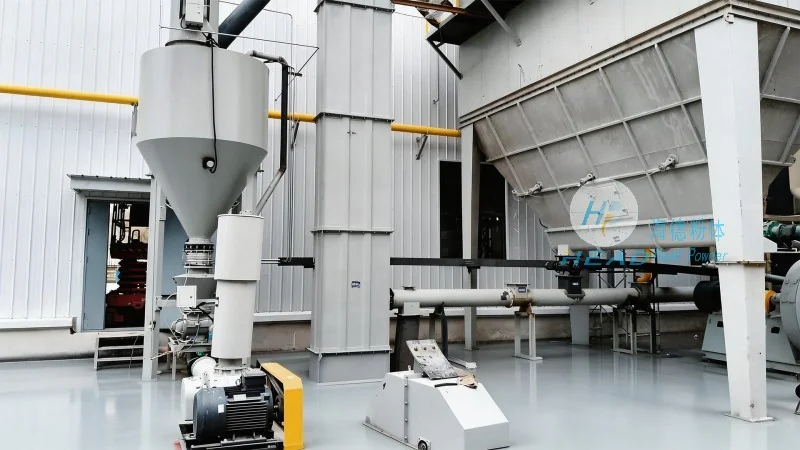
Operation Process and Control System
The operation of the pneumatic conveying machine involves a series of steps that are carefully controlled to ensure safety and efficiency. The process starts with the preparation of the system, including checking the hopper level, verifying the integrity of the pipeline, and ensuring the air compressor is operational. Once the system is ready, the rotary valve is activated to start the material feed. The air compressor then begins to generate the required pressure, and the conveying process commences. During operation, the system is monitored through sensors that track pressure, flow rate, and temperature. Any deviations from the set parameters are immediately detected and corrected by the control system, which may adjust the air pressure or feed rate to maintain optimal performance. The control system also includes safety features, such as emergency shut-off valves, to prevent overpressure or material blockages that could lead to system failure or accidents.
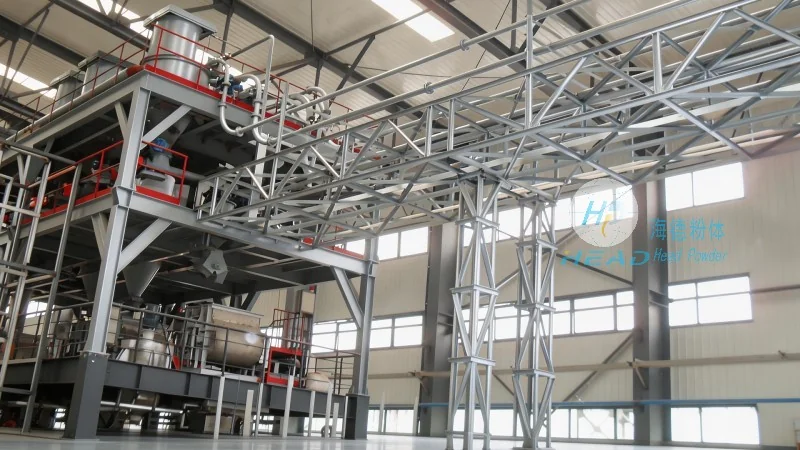
Advantages and Applications of the Pneumatic Conveying Machine
The pneumatic conveying machine for dry desulfurizer powder offers several advantages over traditional mechanical conveying methods. These include reduced labor costs, as the system operates automatically with minimal human intervention; improved material handling efficiency, as the powder is transported in a continuous flow without the need for manual handling; and enhanced safety, as the system eliminates the risk of dust explosions or material spillage. The machine is particularly suitable for applications where the desulfurizer powder is sensitive to moisture or contamination, as the enclosed pipeline prevents exposure to the environment. It is widely used in power generation plants, where the desulfurizer is used to remove sulfur dioxide from flue gases, and in chemical manufacturing facilities, where the powder is used as a raw material in various processes. The system's flexibility allows it to be integrated into existing production lines, making it a cost-effective solution for upgrading or expanding desulfurization operations.




