For industries dealing with bulk materials, efficient and reliable material handling is crucial. Pneumatic conveying systems, particularly those designed for bulk bag materials, offer a solution that combines automation with precision. This article delves into the operation process and working principle of bulk bag material pneumatic conveying, highlighting the key components and the seamless workflow involved.
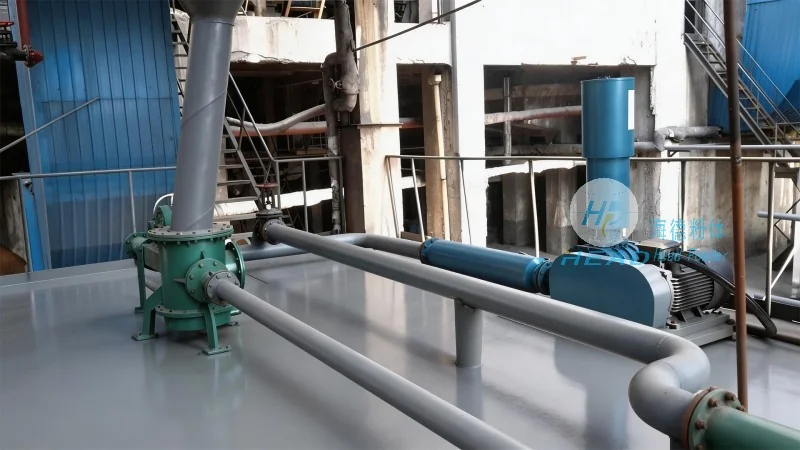
Introduction to Bulk Bag Material Pneumatic Conveying
Bulk bag material pneumatic conveying is a method used to transport dry bulk materials from a storage container, such as a bulk bag or a silo, to a processing or storage location. This technology is widely adopted in various sectors, including chemical, food, pharmaceutical, and agricultural industries, due to its ability to handle a wide range of materials while maintaining product integrity and minimizing contamination risks.
Key Components of the Pneumatic Conveying System
The effectiveness of a bulk bag material pneumatic conveying system relies on several critical components that work in harmony. These include the bulk bag discharger, airlock, conveying line, and receiving hopper. Each component plays a specific role in the overall operation, ensuring that material is transferred safely and efficiently.
Operation Process of Bulk Bag Material Pneumatic Conveying
The operation process of bulk bag material pneumatic conveying typically involves the following steps:
1. **Bulk Bag Preparation and Positioning**: The bulk bag is placed on a discharge frame or a suitable support system. The bag is then secured to prevent any movement during the discharge process.
2. **Airlock Activation**: The airlock, which is connected to the bulk bag, is activated to create a sealed environment. This prevents dust or material from escaping into the surrounding area.
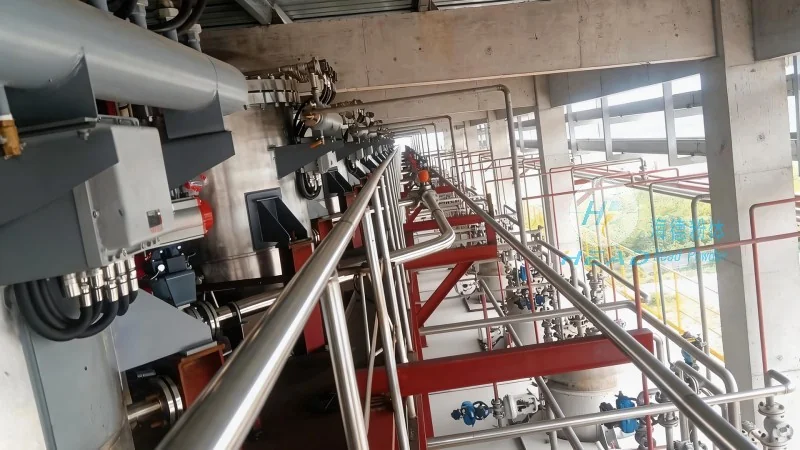
3. **Air Supply and Material Discharge**: Compressed air is introduced into the bulk bag through the airlock. The air pressure forces the material to flow out of the bag and into the conveying line. The air and material mixture travels through the pipeline under pressure.
4. **Conveying and Material Transfer**: The material is transported through the conveying line to the receiving hopper or the processing equipment. The air velocity and pipeline design are carefully controlled to ensure that the material moves smoothly without causing blockages or excessive wear on the system components.
5. **Material Deposition and Air Exhaust**: Upon reaching the receiving hopper, the material is deposited. The air is then exhausted from the system, often through a filter to capture any fine particles and prevent air pollution.
Working Principle of the Pneumatic Conveying System
The working principle of bulk bag material pneumatic conveying is based on the use of compressed air to create a flow of material. The system operates on the principle of fluidization, where the material particles are suspended and transported by the air stream. The key factors influencing the efficiency of the system include air pressure, air velocity, and the characteristics of the material being conveyed, such as particle size, density, and moisture content.
Advantages of Bulk Bag Material Pneumatic Conveying
There are several advantages associated with using pneumatic conveying systems for bulk bag materials. These include:
- **Hygienic and Contamination-Free Transfer**: The sealed system prevents cross-contamination and maintains the purity of the material, which is essential for industries like food and pharmaceuticals.
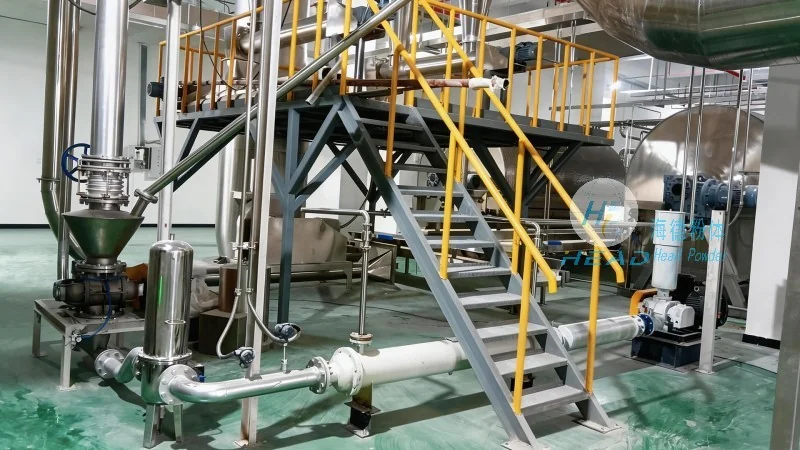
- **Reduced Labor and Downtime**: The automated process minimizes the need for manual handling, reducing labor costs and downtime associated with manual material transfer.
- **Versatility in Material Handling**: The system can handle a wide variety of materials, including powders, granules, and fine particles, making it suitable for diverse industrial applications.
- **Space Efficiency**: The compact design of the system allows for installation in limited spaces, making it ideal for facilities with space constraints.
Applications and Industries
Bulk bag material pneumatic conveying is widely used in various industries. In the chemical industry, it is used to transport raw materials and finished products. In the food industry, it ensures the safe and hygienic transfer of ingredients and products. The pharmaceutical industry also relies on this technology to maintain the sterility and purity of its materials. Additionally, the agricultural sector uses pneumatic conveying systems to handle bulk agricultural products like grains and seeds.
Conclusion
Bulk bag material pneumatic conveying is a sophisticated and efficient method for handling dry bulk materials. By understanding the operation process and working principle, industries can optimize their material handling operations, improve productivity, and ensure product quality. With advancements in technology, these systems continue to evolve, offering even more reliable and sustainable solutions for material transport. For businesses seeking to enhance their material handling capabilities, investing in a well-designed pneumatic conveying system is a strategic move that can yield significant benefits over time.




