Pneumatic conveying is a critical technology in the handling and transportation of bulk materials, particularly for potassium chloride (KCl), a widely used industrial chemical. This process involves the use of air or other gases to transport solid particles through a pipeline system. For KCl, which is often handled in large quantities in mining, chemical, and agricultural applications, efficient and reliable pneumatic conveying systems are essential to ensure smooth material flow, minimize downtime, and maintain product quality. The operation process and working principle of KCl material pneumatic conveying systems are intricate but well-defined, leveraging principles of fluid dynamics and material handling engineering.
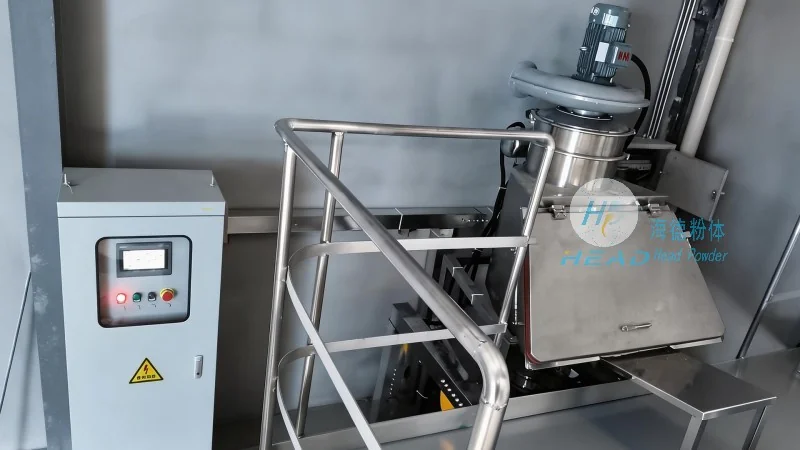
Company Overview: Shandong HeadPowder Engineering Co., Ltd.
Shandong HeadPowder Engineering Co., Ltd., commonly known as HeadPowder, is a leading provider of specialized engineering solutions for bulk material handling, including pneumatic conveying systems. With a strong focus on innovation and customer-centric design, HeadPowder has established itself as a trusted partner in the industry, delivering high-quality equipment and services tailored to the unique needs of clients handling KCl and other bulk materials. The company’s headquarters is located in Shandong, China, where it leverages local expertise and resources to support its global clientele.
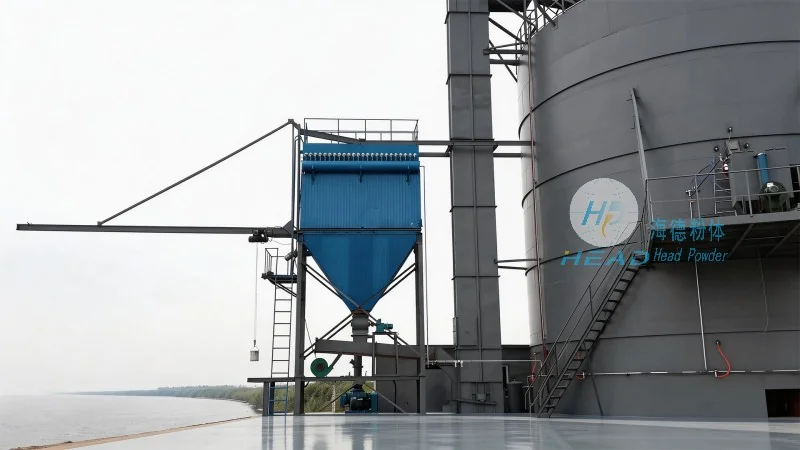
Working Principle of Pneumatic Conveying for KCl Materials
The core working principle of KCl material pneumatic conveying systems revolves around the creation of a pressure differential that propels the solid particles through a pipeline. There are two primary types of pneumatic conveying systems: dilute-phase and dense-phase. Dilute-phase systems operate at relatively low pressure and high air velocity, suitable for short distances and moderate material flow rates. Dense-phase systems, on the other hand, use higher pressure and lower air velocity to transport materials in a more concentrated form, ideal for longer distances and sensitive products. For KCl, which is typically granular or crystalline, the choice of system depends on factors such as the required conveying distance, material characteristics, and operational efficiency. The system typically consists of a hopper, a feeder, a conveying line, and a receiver. The hopper stores the KCl, while the feeder controls the flow rate. Air is then introduced into the system, either by a blower or a compressor, and the KCl particles are entrained and carried through the pipeline to the receiver. The air and material mixture is then separated, with the air being discharged and the KCl collected.
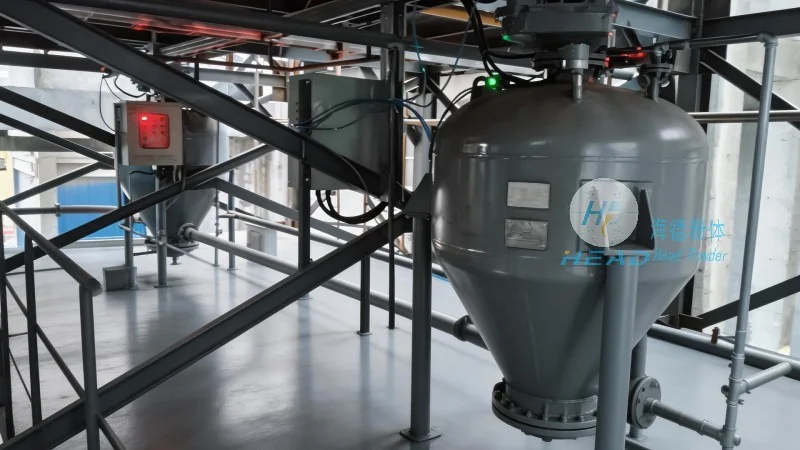
Operation Process of KCl Material Pneumatic Conveying
The operation process of KCl material pneumatic conveying involves several key steps that ensure efficient and safe material transport. First, the KCl is loaded into the hopper from a storage silo or truck. The hopper is equipped with a level indicator to monitor the material level, preventing overfilling or underfilling. Next, the feeder, which can be a rotary valve or a screw feeder, regulates the flow rate of KCl into the conveying line. The feeder is synchronized with the air supply to maintain a consistent material flow. The air is then introduced into the system, creating a pressure differential that propels the KCl particles. The conveying line is designed with appropriate diameter and length to minimize pressure drop and ensure smooth flow. The receiver, typically a hopper or a storage tank, collects the KCl at the destination. The system also includes safety features such as pressure relief valves and dust collection systems to prevent accidents and maintain air quality.
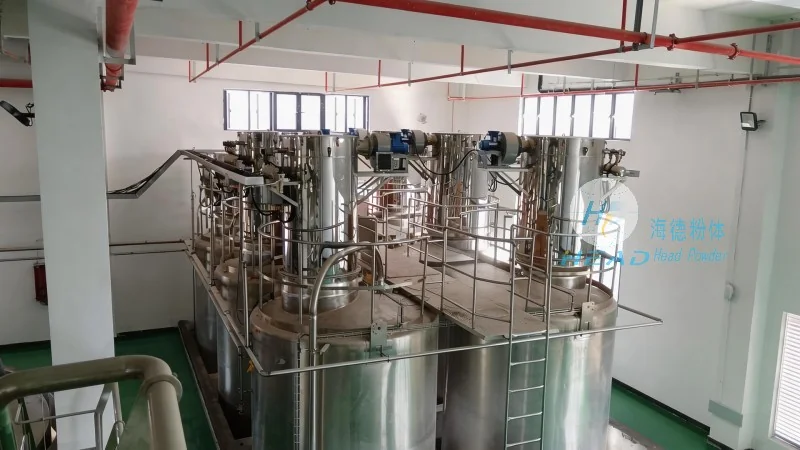
Technical Advantages and Application Scenarios
Pneumatic conveying systems for KCl materials offer several technical advantages over traditional methods like belt conveyors or bucket elevators. These include reduced material degradation due to minimal contact with equipment, lower maintenance costs as there are fewer moving parts, and the ability to handle a wide range of material sizes and shapes. Additionally, the systems are more flexible in terms of layout, allowing for vertical and horizontal conveying in a single line. The applications of KCl pneumatic conveying systems are diverse, including mining operations where KCl is extracted from underground mines and transported to processing facilities, chemical plants where KCl is used as a raw material for fertilizers or other products, and agricultural facilities where KCl is stored and distributed for use in soil treatment. The systems are also suitable for handling KCl in bulk storage and transportation, ensuring that the material reaches its destination in optimal condition.




