Pneumatic conveying systems are widely used in industrial applications for transporting granular materials like polypropylene (PP) efficiently. These systems utilize air or gas to move particles through a pipeline, offering advantages such as reduced contamination, improved safety, and the ability to handle materials in various environments. Understanding the operation process and working principles of such systems is crucial for optimizing performance and ensuring reliable material handling in production lines.
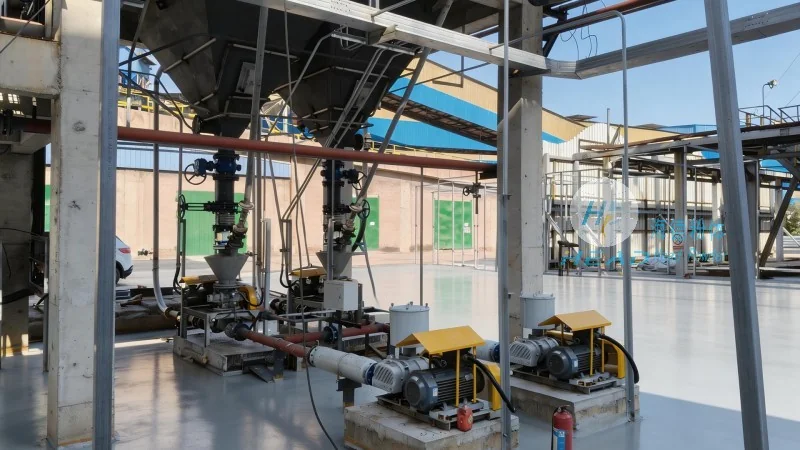
Components of a Pneumatic Conveying System
A typical pneumatic conveying system for PP granules consists of several key components, each playing a vital role in the overall operation. The main parts include a hopper or feeder to store and feed the material, a conveyor line (pipeline) where the material is transported, a blower or compressor to generate the air flow, and a receiver or discharge unit to collect the material at the destination. Additionally, control valves, filters, and dust collectors may be integrated to regulate the system and maintain air quality.
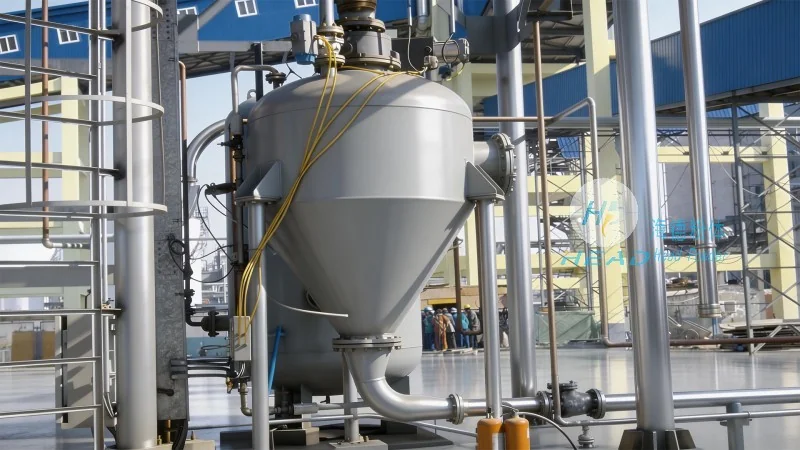
The Operation Process of PP Granular Material Pneumatic Conveying
The operation process of transporting PP granules via pneumatic conveying involves several sequential steps. First, the PP granules are loaded into the hopper or feeder, where they are held until needed. The feeder then controls the flow rate of the material into the conveyor line. Simultaneously, the blower or compressor starts operating, generating a flow of air or gas through the pipeline. As the air flows, it lifts and carries the PP granules along the pipeline due to the pressure differential and air velocity. The material travels through the pipeline until it reaches the receiver or discharge unit, where the air is separated from the granules, and the material is collected. The air, now containing any fine particles or dust, passes through filters and dust collectors before being released or recirculated, depending on the system design.
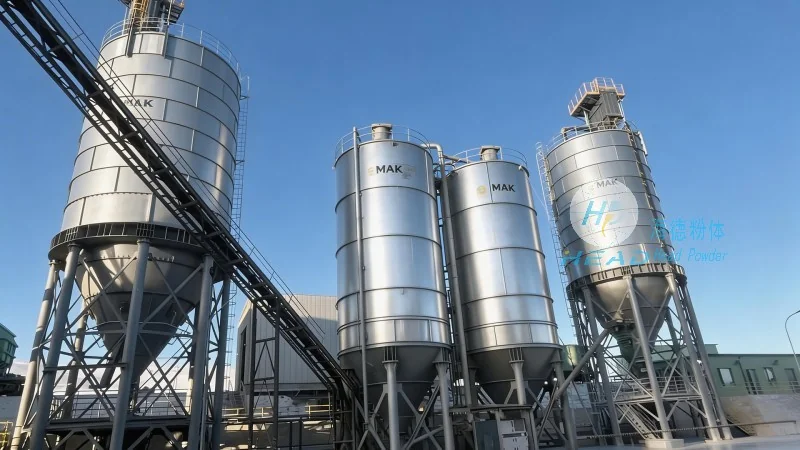
Working Principles of Pneumatic Conveying for PP Granules
The working principles of pneumatic conveying for PP granules are based on the interaction between the material particles and the air flow. There are two primary modes of pneumatic conveying: dilute phase and dense phase. Dilute phase systems operate at higher air velocities, typically transporting the material in a suspended state, while dense phase systems use lower velocities and higher pressure to move the material in a more compact form. For PP granules, the choice of mode depends on factors such as the material's properties, pipeline length, and desired flow rate. The system's design, including the size of the pipeline, the capacity of the blower, and the configuration of the feeder and receiver, directly impacts the efficiency and effectiveness of the conveying process.
Key Considerations for Optimal Performance
To ensure optimal performance of a pneumatic conveying system for PP granules, several factors must be considered. The material's properties, such as particle size, density, and moisture content, influence the system's design and operation. Proper sizing of the hopper and feeder is essential to prevent material bridging or segregation. The blower's capacity and pressure must be matched to the system's requirements to maintain adequate air velocity and pressure differential. Additionally, regular maintenance of components like filters and dust collectors is crucial to prevent clogging and ensure consistent air quality. By addressing these considerations, manufacturers can maximize the efficiency and reliability of their PP granule conveying systems.
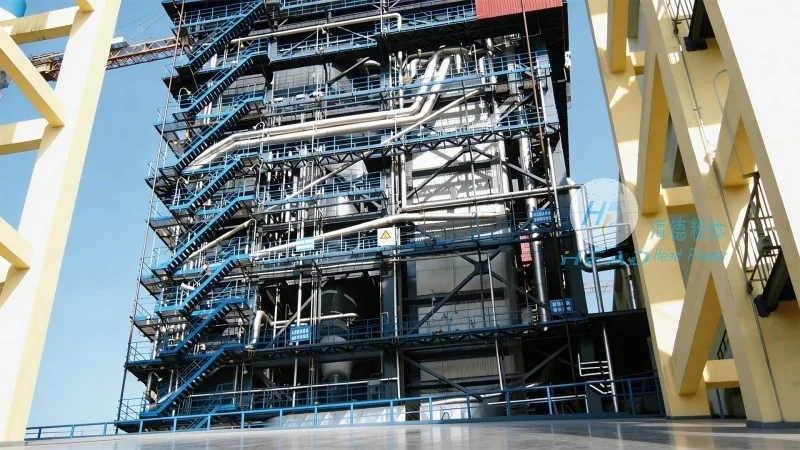
About Shandong HeadPowder Engineering Co., Ltd.
Shandong HeadPowder Engineering Co., Ltd., commonly known as HeadPowder, is a leading provider of industrial conveying solutions, specializing in the design and manufacturing of pneumatic conveying systems for various materials, including polypropylene granules. With a focus on innovation and customer satisfaction, HeadPowder offers customized solutions tailored to the specific needs of clients in different industries. The company's expertise in material handling technology ensures that its systems are efficient, reliable, and compliant with industry standards. HeadPowder's commitment to quality and service has made it a trusted partner for businesses seeking to optimize their material handling processes.




