Organic fertilizer pneumatic conveying lines are critical equipment in modern agricultural and fertilizer production facilities, designed to efficiently transport bulk organic materials such as compost, manure, and other organic waste. These systems leverage air pressure to move materials through pipelines, offering a cost-effective and efficient solution for handling organic fertilizers compared to traditional methods like trucks or conveyor belts.
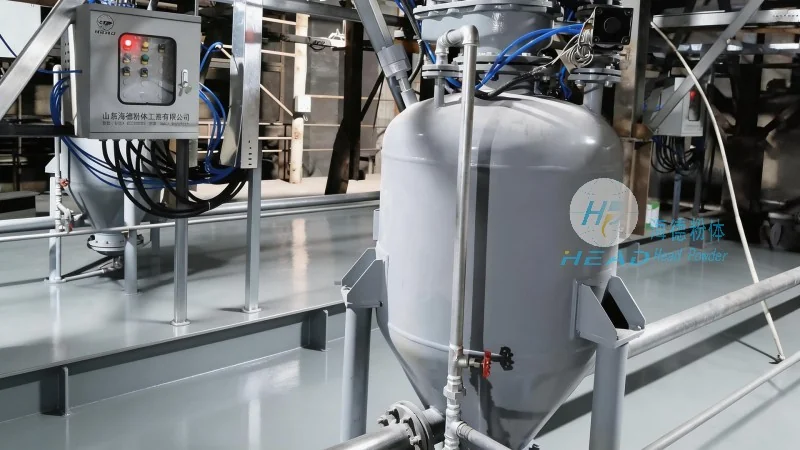
Working Principle of the Pneumatic Conveying System
The fundamental principle of organic fertilizer pneumatic conveying lines is based on the use of compressed air to create a flow that transports the material. The system typically includes a blower or air compressor that generates the necessary air pressure, a hopper or feeder to introduce the organic fertilizer into the system, and a series of pipes that guide the material to its destination. The air and material mixture travels through the pipeline, with the air providing the force to move the bulk material. At the receiving end, a separator or cyclone separates the material from the air, allowing the organic fertilizer to be deposited in a storage or processing area.
Step-by-Step Operation Process
The operation of an organic fertilizer pneumatic conveying line involves several key steps for smooth and continuous material transport. First, the organic fertilizer is loaded into the hopper or feeder, which is equipped with a gate or valve to control the flow rate. The feeder then introduces the material into the pipeline at a controlled rate, ensuring consistent air and material ratios. Next, the blower or air compressor generates the required air pressure, which is introduced into the pipeline through an air inlet. The air and material mixture travels through the pipeline, with the air velocity sufficient to keep the material suspended and moving. As the mixture reaches the receiving end, a separator or cyclone uses centrifugal force to separate the material from the air. The separated material is then collected in a storage bin or directly fed into the next processing stage, while the air is either filtered and recirculated or released to the atmosphere.
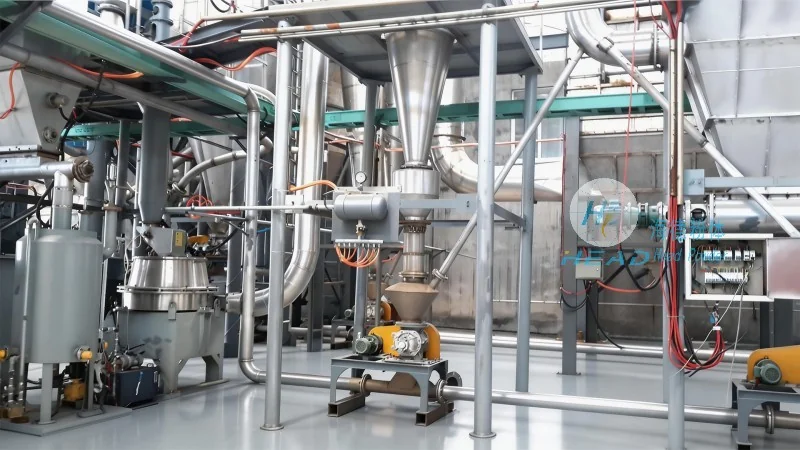
Key Components and Their Functions
Several critical components work together to ensure the efficient operation of organic fertilizer pneumatic conveying lines. The blower or air compressor serves as the primary power source, providing the necessary air pressure to move the material. The hopper or feeder is responsible for introducing the organic fertilizer into the system at a controlled rate, preventing blockages and ensuring consistent flow. The pipeline system, typically made of durable materials like stainless steel or plastic, transports the material from the feeder to the receiving end. The separator or cyclone at the end of the line separates the material from the air, preventing dust and material buildup in the system. Additionally, control systems, such as pressure sensors and flow meters, monitor the operation and adjust the air pressure or material feed rate as needed to maintain optimal performance.
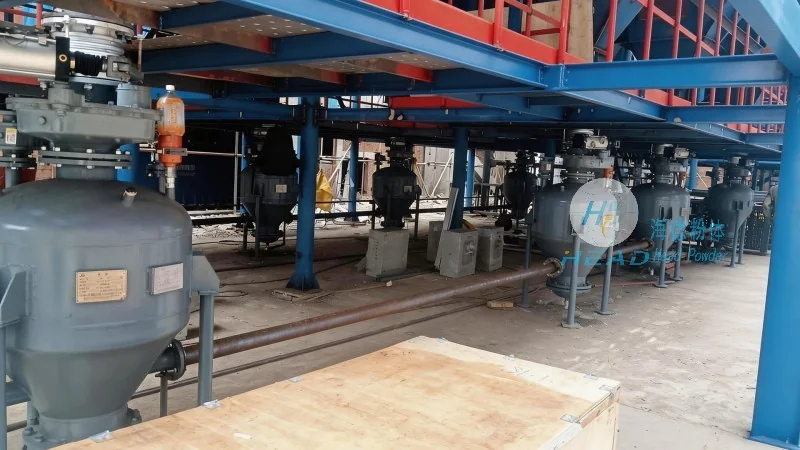
Advantages of the System for Organic Fertilizer Handling
Organic fertilizer pneumatic conveying lines offer several advantages over traditional material handling methods. One key benefit is the ability to transport materials over long distances without the need for multiple transfer points or additional equipment, reducing labor costs and improving operational efficiency. The system also minimizes material loss and contamination, as the material is enclosed in the pipeline, preventing exposure to the environment. Additionally, the use of compressed air allows for precise control over the flow rate and pressure, ensuring consistent material delivery to the processing or storage areas. The system is also relatively low maintenance, with fewer moving parts compared to traditional conveyor systems, reducing downtime and maintenance costs.
Application Scenarios and Industry Impact
Organic fertilizer pneumatic conveying lines are widely used in various applications within the agricultural and fertilizer industry. They are commonly employed in composting facilities, where organic waste is processed and converted into high-quality fertilizer. The system is also used in livestock farms to transport manure from barns to composting or storage areas. Additionally, in fertilizer production plants, these lines are used to transport raw organic materials from storage to processing equipment. The efficiency and reliability of the system have a significant impact on the overall productivity of these facilities, enabling faster processing times and higher output. By reducing the time and labor required for material handling, the system allows companies to focus on other aspects of their operations, such as quality control and product development.




