The bulk bag breakage powder conveying system is a specialized industrial equipment engineered for the efficient and safe handling of powders from bulk bags. This system is widely utilized across various sectors including chemical, food, pharmaceutical, and construction, where large volumes of powders need to be transferred from storage bags to processing or storage equipment. The system is designed to minimize dust generation, reduce operational risks, and enhance overall material handling efficiency, making it a critical component in modern industrial operations.
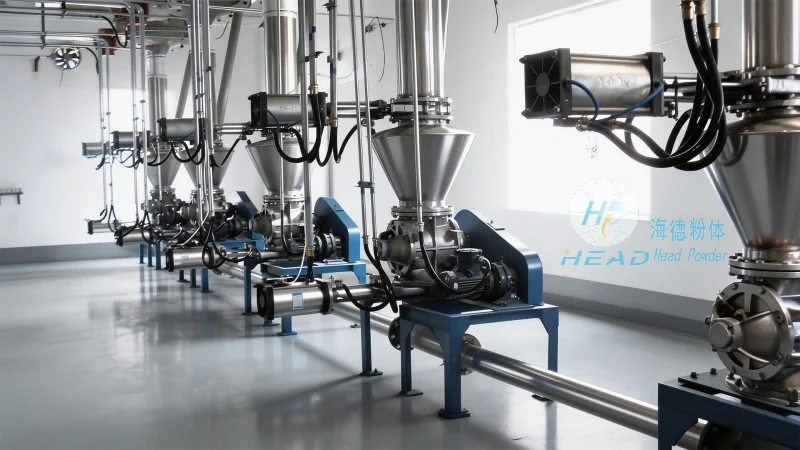
Key Components and Their Functions
The bulk bag breakage powder conveying system comprises several interdependent components, each playing a vital role in the entire operation. The primary components include the bulk bag lifting and support frame, the bag opening mechanism, the powder discharge valve, the conveyor system (such as a screw or pneumatic conveyor), and the dust collection system. The lifting frame is responsible for securely positioning the bulk bag, ensuring stability during the entire process. The bag opening device, which may be a mechanical cutter or a pneumatic system, is designed to access the powder inside the bag without compromising the material's integrity. The powder discharge valve controls the flow rate of the powder from the bag to the conveyor, while the conveyor system transports the material to the desired destination. The dust collection system, equipped with high-efficiency filters and fans, captures any airborne particles to maintain a clean and safe working environment.
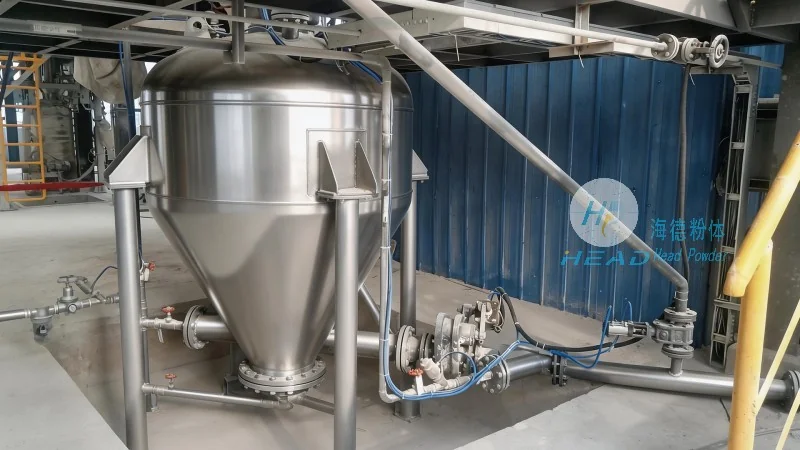
Step-by-Step Operation Process
The operation of the bulk bag breakage powder conveying system follows a systematic sequence of steps to ensure smooth and controlled material transfer. Initially, the bulk bag is placed onto the lifting frame and secured in position. The lifting mechanism then elevates the bag to the appropriate height, aligning it with the opening and discharge components. Next, the bag opening mechanism is activated, which typically involves cutting or tearing the top of the bag to expose the powder. The powder discharge valve is then opened, allowing the powder to flow into the conveyor system. The conveyor, driven by mechanical or pneumatic power, transports the powder forward to the processing equipment or storage silo. Throughout this process, the dust collection system is continuously operational, capturing any dust particles generated during the bag opening and discharge phases. This ensures compliance with environmental regulations and maintains a safe working environment for operators.
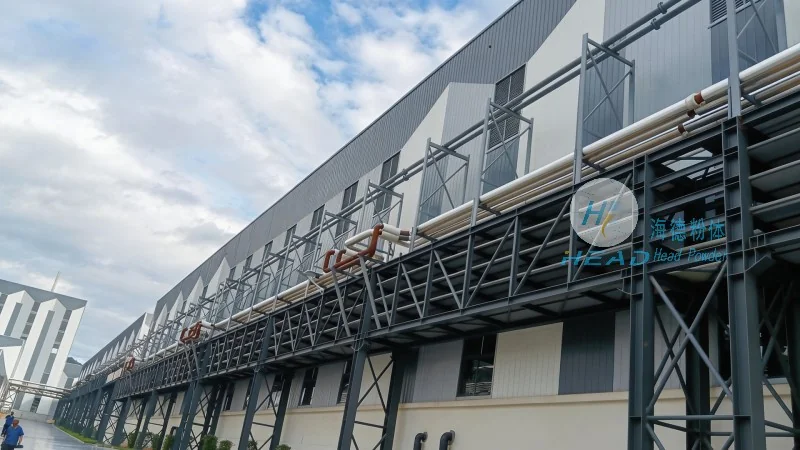
Working Principle Explained
The working principle of the bulk bag breakage powder conveying system integrates mechanical and pneumatic technologies to facilitate the transfer of powders. The lifting frame uses hydraulic or mechanical force to position the bulk bag accurately, ensuring consistent operation. The bag opening mechanism operates by applying controlled force to the bag's top, either through a mechanical cutter or a pneumatic jet, to create an opening. The powder discharge valve, often a rotary or gate valve, regulates the flow rate of the powder from the bag to the conveyor, preventing overloading or underflow. The conveyor system, which can be a screw conveyor (for solid materials) or a pneumatic conveyor (for fine powders), utilizes either mechanical rotation or air pressure to move the material. The dust collection system employs filtration and ventilation to capture airborne particles, ensuring that the working area remains dust-free and safe. This integrated approach ensures that the system operates efficiently, reliably, and in compliance with safety and environmental standards.
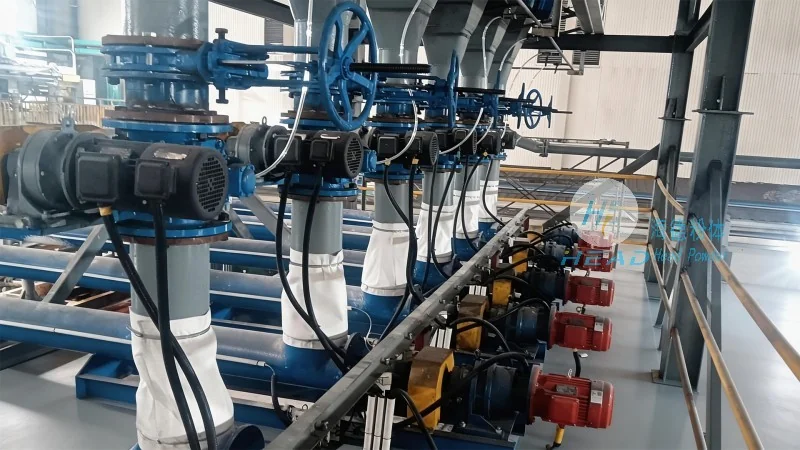
Benefits and Industrial Applications
The bulk bag breakage powder conveying system offers significant advantages for industries dealing with bulk powders. These benefits include enhanced operational efficiency, reduced labor costs, minimized dust exposure, and improved safety. The system automates the process of breaking and conveying powders, reducing the risk of human error and improving the quality of material transfer. It is particularly suitable for applications where bulk bags are the primary packaging method, such as in chemical manufacturing, food processing, and pharmaceutical production. For example, in chemical plants, the system can efficiently transfer raw materials from bulk bags to reactors, while in food processing facilities, it ensures the safe handling of food-grade powders. The system's ability to handle large quantities of material at once makes it ideal for high-volume production environments, contributing to overall productivity and cost-effectiveness.




