Fiber materials, such as wood chips, pulp, and other fibrous substances, are widely used in various industries including paper manufacturing, biofuel production, and recycling. The efficient and reliable transportation of these materials is crucial for maintaining production efficiency and minimizing operational costs. Pneumatic conveying systems have emerged as a key technology for handling fiber materials, offering advantages over traditional mechanical conveyors in terms of flexibility, cleanliness, and reduced maintenance. This article provides a technical analysis of pneumatic conveying systems for fiber materials, focusing on the comparison between positive pressure and negative pressure conveying modes.
Understanding Pneumatic Conveying Modes
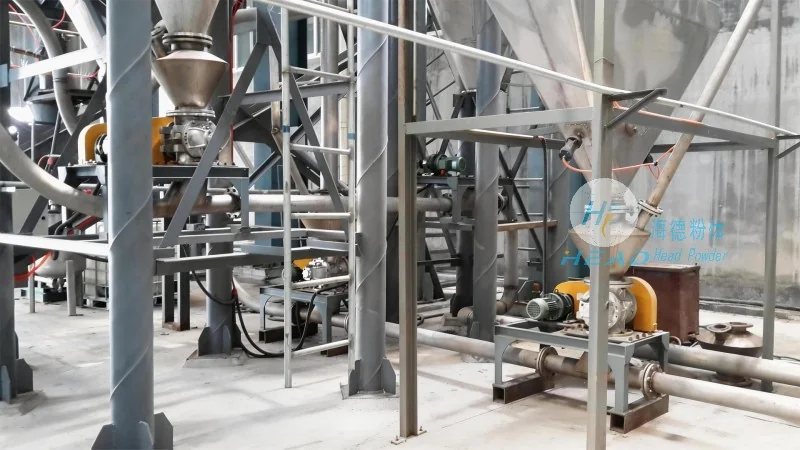
Pneumatic conveying systems utilize air or gas to transport bulk materials through a pipeline. The two primary modes are positive pressure and negative pressure, each with distinct characteristics and applications. Positive pressure systems generate air pressure above atmospheric pressure at the material inlet, while negative pressure systems create a vacuum at the material outlet. The choice between these modes depends on factors like material properties, system layout, and operational requirements.
Positive Pressure Conveying Mode
Positive pressure conveying systems are commonly used for transporting fiber materials over long distances or through complex system layouts. In this mode, a blower or compressor supplies compressed air to the material inlet, ensuring that the material is pushed through the pipeline. The system operates at pressures typically ranging from 0.5 to 2 bar above atmospheric pressure. One of the key advantages of positive pressure systems is their ability to handle abrasive or sticky materials without causing excessive wear on components. Additionally, positive pressure systems can be designed with multiple inlets and outlets, allowing for flexible material routing and integration with existing production lines.
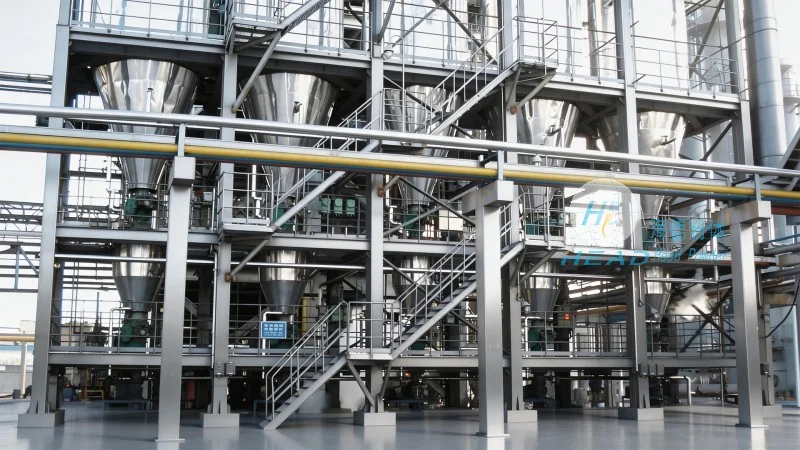
However, positive pressure systems may require more robust equipment and higher energy consumption compared to negative pressure systems. The compressed air supply must be maintained at a consistent pressure to ensure reliable material transport, and the system may generate more noise and vibration. For fiber materials, positive pressure systems are particularly suitable for applications where the material is to be delivered to a central processing unit or a storage silo, as the system can maintain a positive pressure throughout the entire pipeline.
Negative Pressure Conveying Mode
Negative pressure conveying systems, also known as vacuum systems, create a vacuum at the material outlet to draw the material into the pipeline. The system operates at pressures below atmospheric pressure, typically ranging from -0.5 to -1 bar. Negative pressure systems are often preferred for short-distance conveying or when the material needs to be collected from multiple sources. One of the main advantages of negative pressure systems is their lower energy consumption and reduced noise levels compared to positive pressure systems. The vacuum created at the outlet helps to minimize dust emissions and maintain a clean working environment.
Nevertheless, negative pressure systems have limitations when handling certain fiber materials, especially those with high moisture content or fine particles. The vacuum may cause the material to clump or stick to the pipeline walls, leading to blockages and reduced system efficiency. Additionally, negative pressure systems are more susceptible to air leaks, which can compromise the vacuum and affect material transport. For fiber materials, negative pressure systems are typically used for short-distance transport from collection points to processing equipment, where the material is relatively dry and free-flowing.
Comparison of Positive and Negative Pressure Conveying Modes
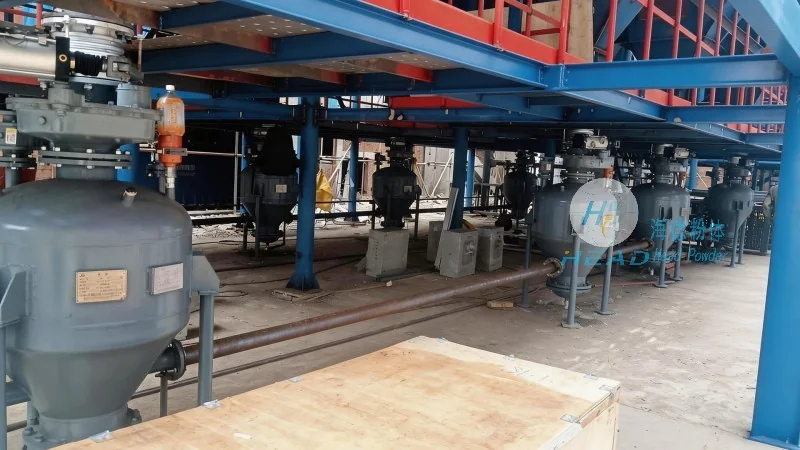
When selecting a pneumatic conveying system for fiber materials, it is essential to compare the advantages and disadvantages of positive and negative pressure modes. Positive pressure systems excel in long-distance and complex system applications, offering high material transport rates and robust performance. They are ideal for handling abrasive or sticky fiber materials and can be integrated with multiple processing units. However, they require higher energy input and may generate more noise and vibration.
Negative pressure systems, on the other hand, are more energy-efficient and quieter, making them suitable for short-distance conveying and applications where dust control is critical. They are well-suited for handling dry, free-flowing fiber materials and can be easily adapted to existing infrastructure. The main drawbacks of negative pressure systems include potential blockages, susceptibility to air leaks, and limited suitability for high-abrasion materials.




