Wood powder pneumatic conveying systems are critical in industrial processes for transporting wood powder efficiently and safely. These systems utilize air as the medium to move the material, offering advantages over traditional mechanical conveying methods. The choice between positive pressure and negative pressure modes significantly impacts system performance, cost, and operational safety. This article provides a technical analysis of both modes, highlighting their features, applications, and key considerations for selection.
Introduction to Wood Powder Pneumatic Conveying Systems
Wood powder, a common byproduct in woodworking and biomass processing industries, requires specialized handling due to its fine particle size and potential for dust generation. Pneumatic conveying systems address these challenges by using compressed air or vacuum to transport the material from one location to another. The system typically consists of a hopper, a conveying line, a separator, and a receiver. The primary goal is to ensure reliable, low-damage transport while maintaining air quality and system efficiency.
Positive Pressure Conveying Mode: Technical Features and Applications
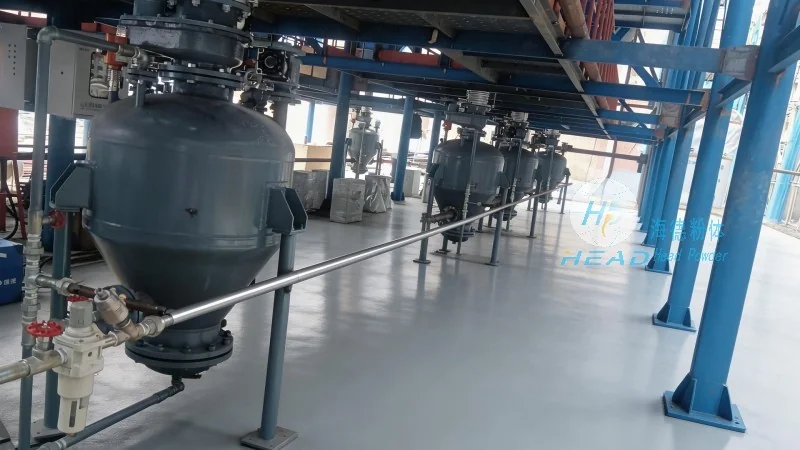
Positive pressure conveying operates by blowing air into the conveying line, creating a pressure higher than the ambient air. This mode is suitable for applications where the material is transported over long distances or through complex piping networks. The system uses a positive displacement blower or a rotary lobe blower to generate the necessary pressure. Key technical features include high conveying capacity, ability to handle abrasive materials, and reduced risk of material degradation due to lower particle impact. For wood powder, positive pressure systems are often preferred in large-scale production facilities where high throughput is required. The equipment from Shandong HeadPowder Engineering Co., Ltd. (headpowder) incorporates advanced blower technology to ensure consistent pressure and minimal energy consumption, making it ideal for continuous operation in wood processing plants.
Negative Pressure Conveying Mode: Technical Features and Applications
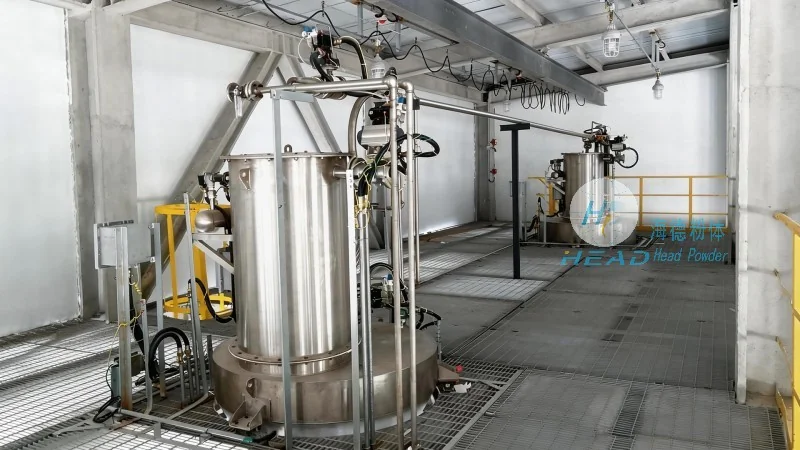
Negative pressure conveying, also known as vacuum conveying, operates by creating a vacuum in the conveying line, drawing the material into the system. This mode is typically used for shorter distances or when the material needs to be collected from multiple points. The system uses a vacuum pump to generate the negative pressure. Technical features include gentler material handling, lower noise levels, and suitability for handling fine powders that are sensitive to pressure changes. Negative pressure systems are often employed in applications where the material is collected from a hopper or a storage bin and transported to a processing unit. The design from headpowder includes efficient vacuum pumps and filtration systems to maintain air quality and prevent dust accumulation, ensuring compliance with environmental regulations.
Comparison and Selection Criteria for Wood Powder Pneumatic Conveying Systems
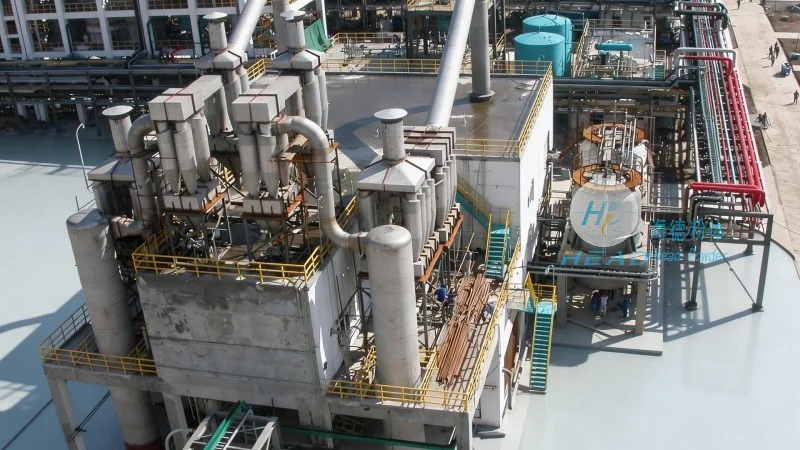
When selecting between positive and negative pressure modes for wood powder conveying, several factors must be considered. The primary factors include the distance of the conveying line, the number of transfer points, the material's properties (such as moisture content and particle size), and the required throughput. Positive pressure systems are generally more suitable for long-distance or high-capacity applications due to their higher conveying rates and ability to handle abrasive materials. Negative pressure systems are preferred for shorter distances or when the material is sensitive to pressure, as they provide gentler handling and lower noise levels. The choice also depends on the available space and the need for dust control. For instance, in a large wood processing plant with multiple production lines, a combination of both modes might be used to optimize efficiency. Shandong HeadPowder Engineering Co., Ltd. offers customized solutions that consider these factors, ensuring that the selected system meets the specific requirements of the client while maintaining operational efficiency and safety.
Conclusion and Company Overview
Wood powder pneumatic conveying systems are essential for modern wood processing industries, offering efficient and safe material transport. The comparison between positive and negative pressure modes highlights the importance of selecting the appropriate system based on operational needs. Shandong HeadPowder Engineering Co., Ltd. (headpowder), with its headquarters in Shandong, China, specializes in designing and manufacturing advanced pneumatic conveying systems tailored to the unique demands of wood powder handling. The company's expertise in blower technology, filtration, and system integration ensures that clients receive reliable, high-performance solutions that enhance productivity and reduce operational costs. By understanding the technical differences between positive and negative pressure modes, industries can make informed decisions to optimize their material handling processes.




