Efficient material handling is a critical factor in the production and processing of dried chili powder, a staple ingredient in many culinary applications worldwide. Among the various methods available for transporting bulk solids like dried chili powder, pneumatic conveying systems have emerged as a preferred solution due to their ability to handle fine powders with minimal product degradation and contamination. This article provides a technical analysis of the two primary pneumatic conveying modes—positive pressure and negative pressure—focusing on their applications, advantages, and considerations for the dried chili powder industry.
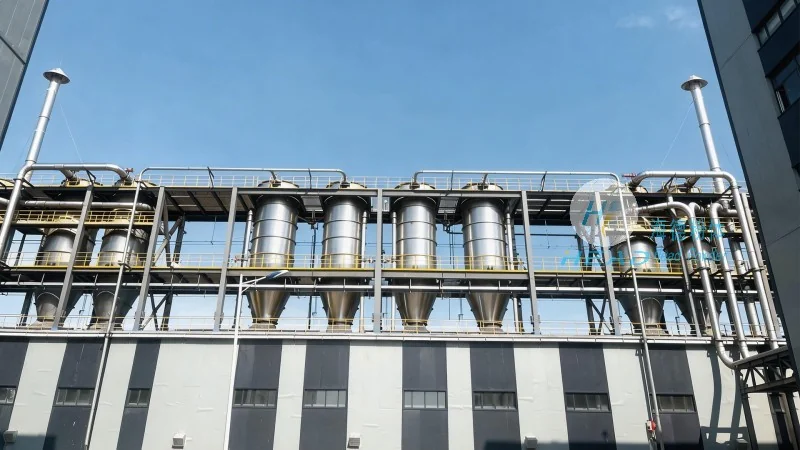
Introduction to Pneumatic Conveying Systems
Pneumatic conveying systems utilize air or gas to transport solid materials through a pipeline network. These systems are widely used in the food processing industry, including the dried chili powder sector, due to their flexibility, cleanliness, and ability to maintain product integrity. The choice between positive and negative pressure systems depends on several factors, including the material's properties, the system's layout, and the desired operational efficiency.
Positive Pressure Conveying Mode
Positive pressure conveying systems operate by blowing air or gas into the conveying line, creating a pressure higher than the ambient air pressure. This method is particularly effective for transporting materials that are dusty or have a tendency to create static electricity. In the context of dried chili powder, positive pressure systems can be designed to handle fine powders without clogging the pipeline, as the air flow maintains the material in suspension. The system typically includes a blower, a hopper for material storage, and a discharge point where the material is released. A key advantage of positive pressure systems is their ability to handle long conveying distances and multiple transfer points without significant pressure loss. However, they may require more energy compared to negative pressure systems, especially when dealing with high-volume or high-density materials.
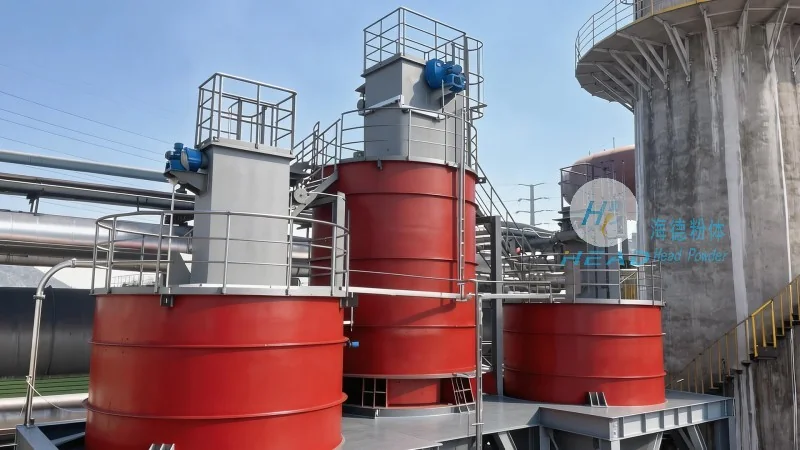
Negative Pressure Conveying Mode
Negative pressure conveying systems, also known as vacuum systems, operate by creating a vacuum inside the conveying line, drawing material from the source into the pipeline. This mode is ideal for applications where the material needs to be transported from a lower elevation or where the system layout involves multiple pick-up points. For dried chili powder, negative pressure systems can effectively handle materials that are prone to reentrainment or where dust control is a priority. The system consists of a vacuum pump, a material source (such as a hopper or storage bin), and a discharge point. One of the main benefits of negative pressure systems is their lower energy consumption compared to positive pressure systems, as they rely on the vacuum to draw material rather than force it through the line. However, they may have limitations in terms of conveying distance and material density, as the vacuum can be compromised by blockages or high material resistance.
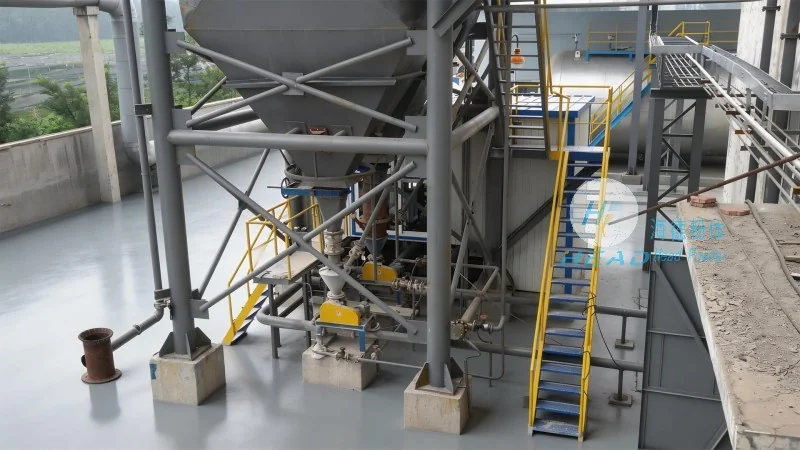
Key Considerations for Dried Chili Powder Applications
When selecting between positive and negative pressure pneumatic conveying systems for dried chili powder, several factors must be considered to ensure optimal performance and efficiency. First, the material's physical properties, such as particle size, moisture content, and flowability, play a crucial role. Dried chili powder is typically a fine, free-flowing powder, which may favor positive pressure systems due to their ability to maintain material suspension. However, if the system involves multiple pick-up points or requires long-distance transport, negative pressure systems might be more suitable. Second, the system's layout and the available space are important considerations. Positive pressure systems are often preferred for horizontal or slightly inclined layouts, while negative pressure systems are better suited for vertical or complex layouts. Third, energy consumption and operational costs are significant factors. Positive pressure systems generally consume more energy due to the blower's operation, whereas negative pressure systems are more energy-efficient but may require more maintenance for the vacuum pump and filtration systems.
Application Examples in the Dried Chili Powder Industry
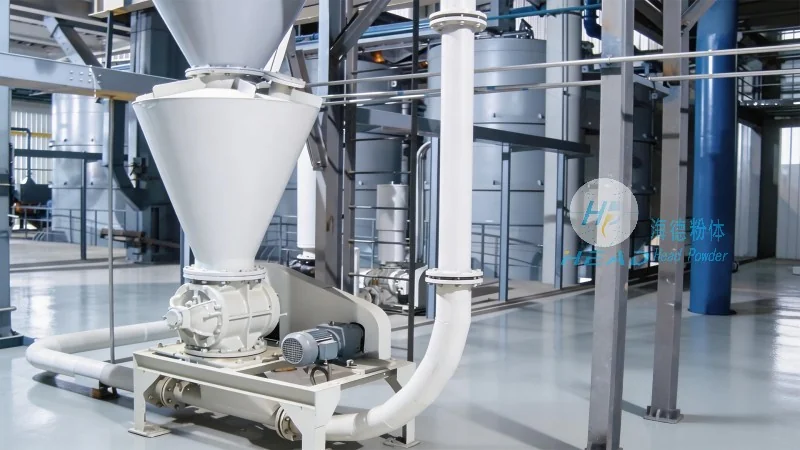
Real-world applications of pneumatic conveying systems in the dried chili powder industry illustrate the effectiveness of both positive and negative pressure modes. For instance, a large-scale dried chili powder processing plant in China utilizes a positive pressure system to transport fine chili powder from storage silos to a grinding and packaging line. The system, supplied by Shandong HeadPowder Engineering Co., Ltd., a leading manufacturer of pneumatic conveying equipment, features a high-efficiency blower and a custom-designed hopper to handle the material's fine particle size. The positive pressure mode ensures that the chili powder remains in suspension throughout the conveying process, minimizing clogging and product degradation. In another example, a smaller processing facility employs a negative pressure system to transport dried chili powder from a warehouse to a production line. The system, also from Shandong HeadPowder Engineering Co., Ltd., uses a vacuum pump to draw the material from the warehouse, which is equipped with a dust collection system to maintain air quality. The negative pressure mode allows for efficient material transfer without the need for additional blower power, making it suitable for the facility's layout and operational requirements.
Conclusion and Recommendations
Both positive and negative pressure pneumatic conveying systems offer viable solutions for the transportation of dried chili powder, with each mode having its own set of advantages and limitations. The choice between the two depends on the specific needs of the processing facility, including material properties, system layout, and operational considerations. For applications requiring long-distance transport or multiple transfer points, positive pressure systems may be more appropriate, while negative pressure systems are ideal for shorter distances or complex layouts. It is essential to consult with experienced manufacturers, such as Shandong HeadPowder Engineering Co., Ltd., to design a customized pneumatic conveying system that optimizes performance, efficiency, and cost-effectiveness. By carefully evaluating the material's characteristics and the system's requirements, processors can select the most suitable pneumatic conveying mode to ensure smooth and efficient operations in the dried chili powder industry.




