For industrial applications, the efficient and safe delivery of magnesium sulfate is crucial. As a key chemical compound used in various sectors, including pharmaceuticals, agriculture, and water treatment, the choice of delivery method significantly impacts operational efficiency and product quality. This article explores common methods for transporting magnesium sulfate, with a focus on the advantages and practical applications of pneumatic conveying systems.
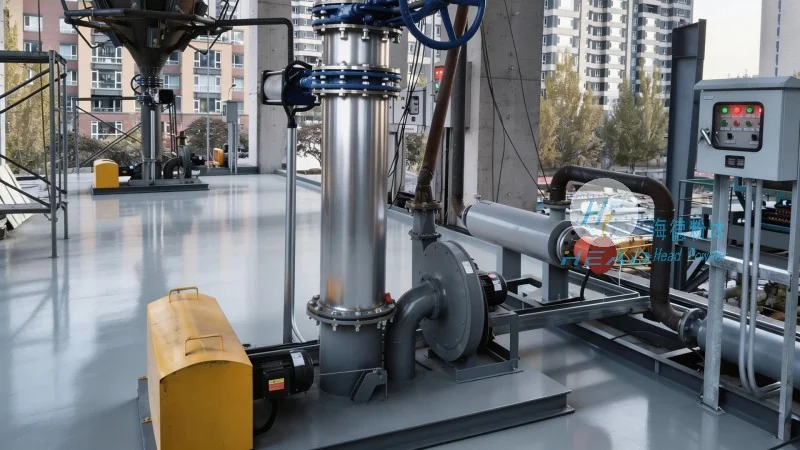
Introduction to Magnesium Sulfate Delivery Methods
Magnesium sulfate, also known as Epsom salt, is a white crystalline powder widely utilized in industrial processes. The primary goal of any delivery system is to transport this material from its source to processing or storage locations while maintaining its integrity and ensuring minimal contamination. Traditional methods such as bulk bags, containers, and manual handling have been used for decades, but they often face challenges related to labor costs, material loss, and safety concerns. To address these issues, advanced delivery technologies like pneumatic conveying have emerged as a preferred solution.
Pneumatic Conveying: A Modern Solution for Magnesium Sulfate Transport
Pneumatic conveying, or air-assisted transport, is a method that uses compressed air to move dry powders through a pipeline. This technology offers several advantages for magnesium sulfate delivery, including high efficiency, reduced labor requirements, and improved safety. Unlike traditional methods that rely on manual handling or mechanical equipment, pneumatic systems can transport material over long distances with minimal human intervention. The process involves feeding the magnesium sulfate into a hopper, where it is then drawn into a pipeline by a vacuum or pressure system. The air flow carries the powder through the pipeline to the destination, where it is collected in a receiving container.
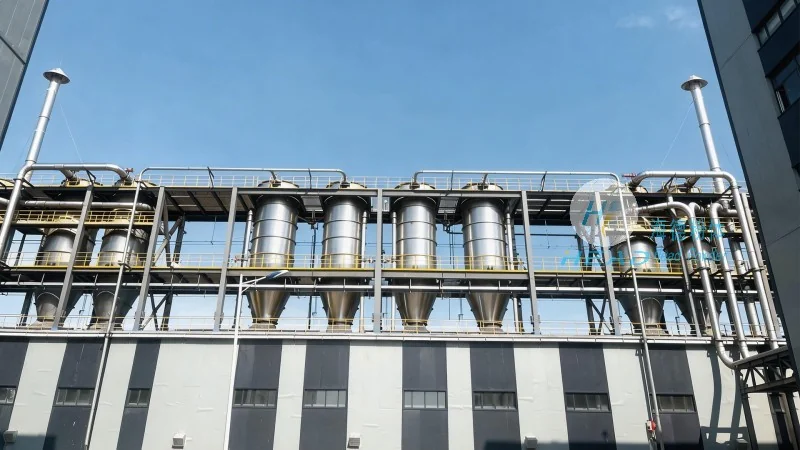
Key Advantages of Pneumatic Conveying for Magnesium Sulfate
One of the most significant benefits of pneumatic conveying is its ability to handle fine powders without causing clogging or blockages. Magnesium sulfate, being a fine powder, can easily settle and create issues in traditional systems. Pneumatic systems use air to keep the material in suspension, preventing agglomeration and ensuring smooth flow. Additionally, this method reduces product loss and contamination, as the material is contained within a sealed system. For industries where product purity is critical, such as pharmaceuticals, pneumatic conveying provides a hygienic and controlled environment.
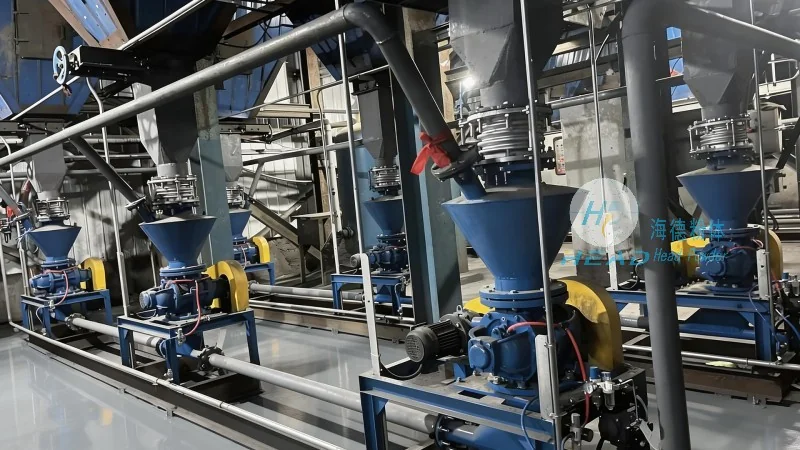
Application Scenarios in Industrial Settings
The versatility of pneumatic conveying makes it suitable for various industrial applications involving magnesium sulfate. In pharmaceutical manufacturing, for example, the material is often used as an excipient or in the production of magnesium supplements. Pneumatic systems allow for precise dosing and delivery of the powder to mixing and processing equipment, ensuring consistent product quality. In agricultural settings, magnesium sulfate is used as a fertilizer, and pneumatic conveyors can efficiently transport it from storage to application equipment, reducing the need for manual handling and minimizing exposure to dust.
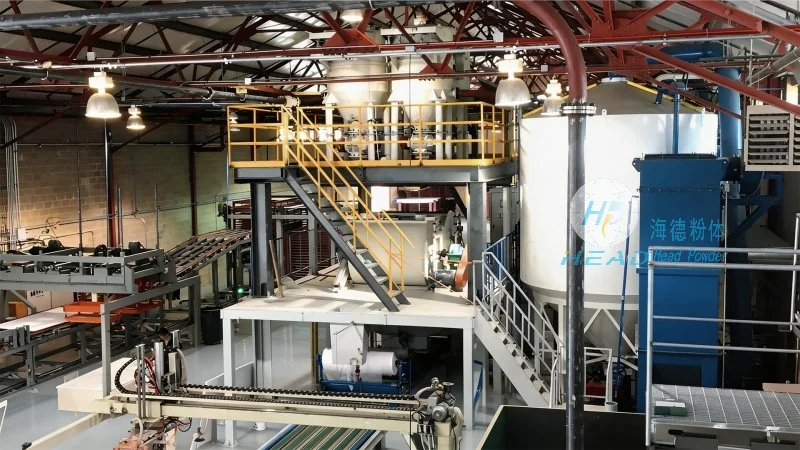
Considerations for Implementing Pneumatic Conveying Systems
While pneumatic conveying offers numerous benefits, there are several factors to consider when implementing such a system for magnesium sulfate delivery. The first is the material's properties, including its particle size, moisture content, and flowability. These characteristics influence the choice of conveying system, such as whether to use a vacuum or pressure system. The second consideration is the distance and layout of the transport route. For short distances, a simple vacuum system may suffice, while longer distances may require a combination of vacuum and pressure stages to maintain efficiency. Additionally, the system must be designed to handle potential blockages or clogs, which can occur if the material becomes too fine or has high moisture content.
Conclusion: Choosing the Right Delivery Method for Magnesium Sulfate
In conclusion, the choice of magnesium sulfate delivery method depends on the specific requirements of the industrial application. Traditional methods like bulk bags and containers remain relevant for certain applications, but they may not be suitable for high-volume or long-distance transport. Pneumatic conveying, with its efficiency, safety, and ability to handle fine powders, stands out as a modern solution that addresses many of the challenges associated with traditional delivery systems. By understanding the advantages and considerations of different methods, industries can select the most appropriate system to ensure the reliable and safe transport of magnesium sulfate.




