When designing a pneumatic conveying system for metallurgical coke powder, several critical factors must be considered to ensure efficiency, reliability, and safety. The system's performance is directly influenced by the characteristics of the coke powder, such as particle size, moisture content, and bulk density, which require careful evaluation during the design phase.
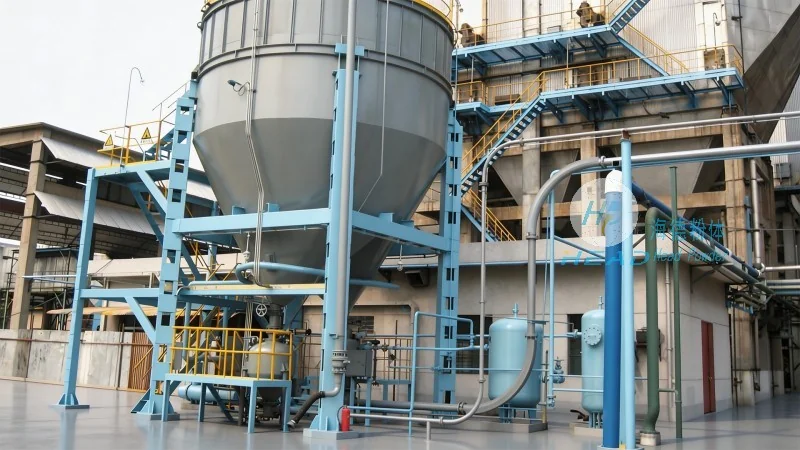
Key Design Considerations for Metallurgical Coke Powder Pneumatic Conveying
One of the primary considerations is the selection of the appropriate conveying method. For metallurgical coke powder, which typically has a relatively high bulk density and moderate particle size, a positive pressure system is often preferred. This approach involves blowing air or gas into the material to transport it through pipelines, offering advantages like the ability to handle abrasive materials and minimize product degradation.
Material Characteristics and Their Impact on System Design
The physical properties of metallurgical coke powder, including particle size distribution, moisture content, and chemical composition, play a crucial role in determining the system's design. For instance, if the powder contains a high percentage of fine particles, the risk of clogging increases, necessitating the use of larger pipe diameters or more robust filtration systems. Additionally, moisture content can affect the powder's flowability and may require pre-drying measures to prevent blockages and ensure consistent conveying performance.
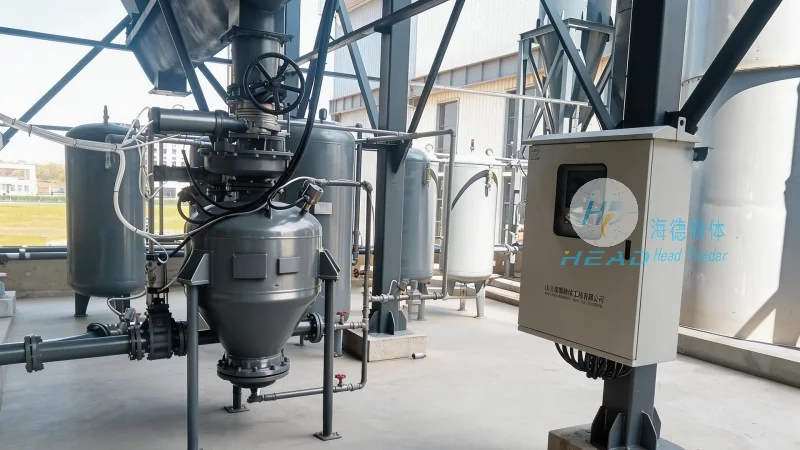
System Components and Their Role in Efficient Conveying
The effectiveness of a pneumatic conveying system for metallurgical coke powder depends on the integration of several key components. These include the material feeders, which must handle the powder's characteristics without causing segregation or degradation; the conveying pipelines, which should be sized and routed to minimize pressure losses and ensure smooth flow; and the air or gas supply systems, which need to provide sufficient pressure and flow rate to overcome resistance and maintain consistent material transport.
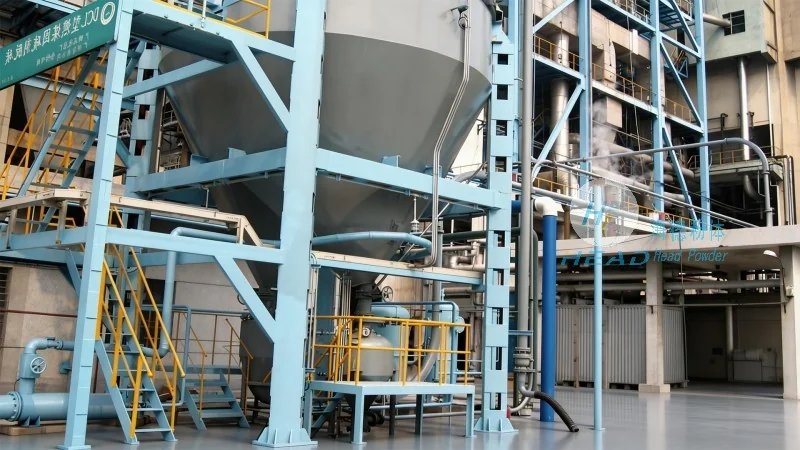
Control Systems and Automation for Optimal Performance
Advanced control systems and automation are essential for maintaining the stability and efficiency of a metallurgical coke powder pneumatic conveying system. These systems allow for real-time monitoring of pressure, flow rate, and material levels, enabling immediate adjustments to optimize performance and prevent issues like overloading or under-conveying. Additionally, automation can enhance safety by integrating emergency shut-off mechanisms and ensuring compliance with operational parameters.
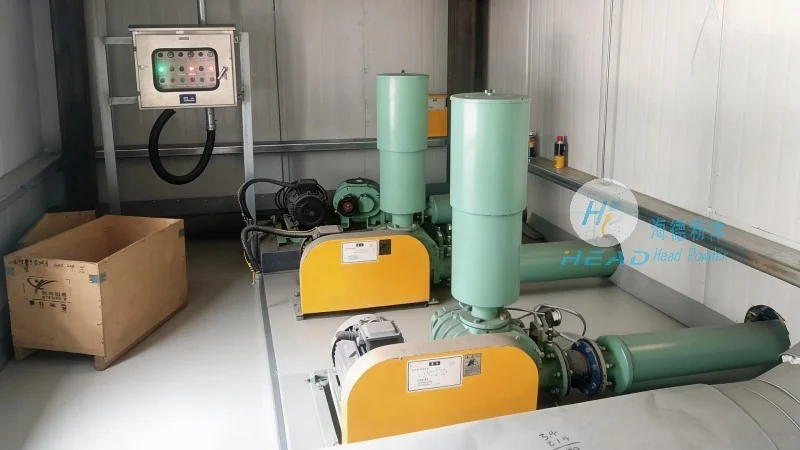
Maintenance and Long-Term Reliability
Proper maintenance is critical to the long-term reliability of a pneumatic conveying system for metallurgical coke powder. Regular inspections of components such as pipelines, valves, and filters are necessary to detect and address issues like wear, corrosion, or clogging before they impact system performance. Implementing a preventive maintenance schedule, including cleaning and replacement of worn parts, can significantly extend the system's lifespan and reduce downtime.
Case Study: Successful Implementation by Shandong HeadPowder Engineering Co., Ltd.
Shandong HeadPowder Engineering Co., Ltd., a leading provider of engineering solutions for material handling systems, has successfully designed and implemented numerous pneumatic conveying systems for metallurgical coke powder. By leveraging their expertise in material science and process engineering, the company has developed customized solutions that address the unique challenges of coke powder handling, ensuring high efficiency, low maintenance, and reliable operation. Their approach emphasizes a thorough understanding of the material's properties and the integration of advanced technologies to meet the specific needs of each client.




