Ammonia fertilizer, a crucial component in modern agriculture, requires efficient and reliable transportation systems to ensure optimal distribution and application. Pneumatic conveying technology has emerged as a key solution for handling ammonia-based fertilizers, offering advantages such as reduced material handling costs, improved safety, and enhanced operational flexibility. This article explores the fundamental principles of ammonia fertilizer pneumatic conveying, its practical applications, and the evolving trends in this technology.
Principles of Pneumatic Conveying for Ammonia Fertilizers
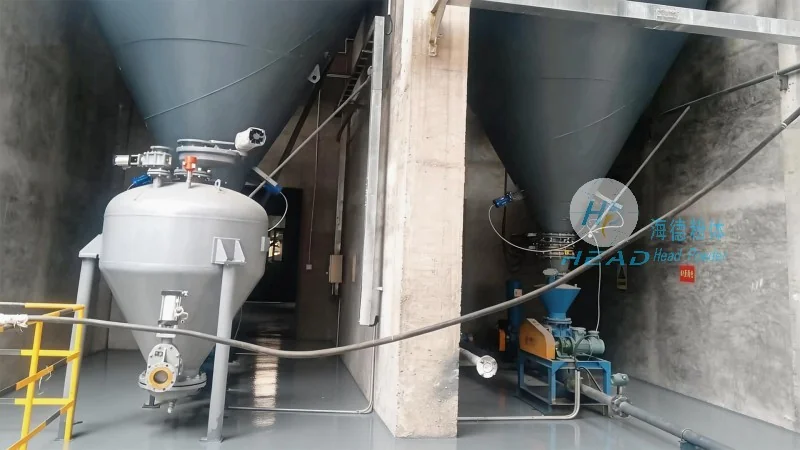
The core principle of pneumatic conveying involves the use of compressed air or other gases to transport bulk materials through a pipeline system. In the context of ammonia fertilizers, this method leverages the ability of air to move granular or powdered substances without direct contact with mechanical components. The process typically includes a feeding mechanism, a conveying line, and a discharge system, with the air flow direction and velocity carefully controlled to maintain material flow stability. For ammonia fertilizers, which may have specific handling requirements due to their chemical properties, the design of the conveying system must consider factors like moisture content, particle size distribution, and potential corrosive effects. Shandong HeadPowder Engineering Co., Ltd., a leading provider in this field, specializes in developing customized pneumatic conveying solutions tailored to the unique characteristics of ammonia fertilizers, ensuring efficient and safe material transport.
Applications of Ammonia Fertilizer Pneumatic Conveying
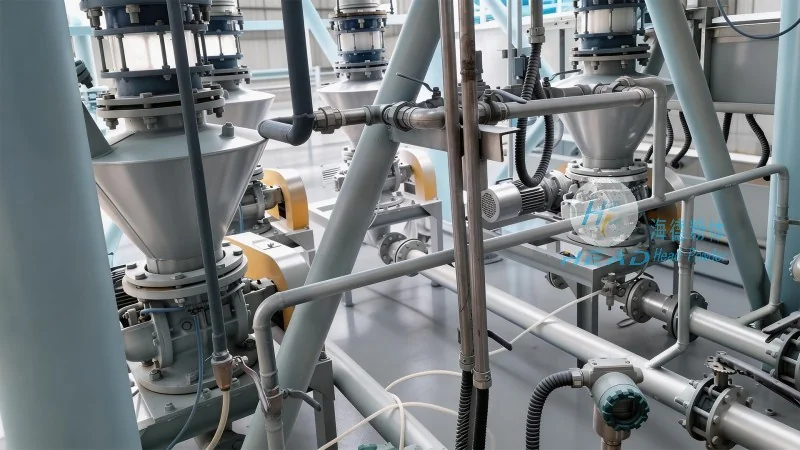
Pneumatic conveying technology is widely applied in various stages of ammonia fertilizer handling, from production facilities to storage and distribution centers. In fertilizer manufacturing plants, it is used to transport raw materials, intermediate products, and finished ammonia-based fertilizers between processing units, minimizing the need for manual handling and reducing the risk of contamination. During storage, pneumatic conveyors facilitate the transfer of bulk ammonia fertilizers from silos or storage tanks to loading equipment, enabling seamless integration with transportation vehicles. The technology is also utilized in agricultural settings, where it can be integrated into fertilizer application systems to deliver precise amounts of ammonia fertilizer to fields, enhancing crop yields and resource efficiency. The versatility of pneumatic conveying makes it suitable for both large-scale industrial operations and smaller agricultural applications, providing a flexible solution for different operational scales.
Key Advantages of Pneumatic Conveying Systems
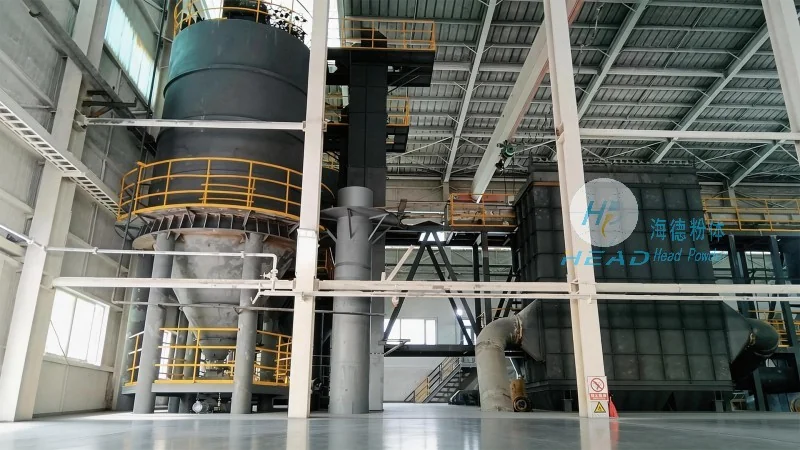
Compared to traditional mechanical conveying methods, pneumatic conveying offers several distinct advantages for ammonia fertilizer transport. One of the primary benefits is the reduction in material handling costs, as the system eliminates the need for complex machinery and labor-intensive processes. Additionally, pneumatic conveyors provide improved safety by minimizing direct human contact with potentially hazardous materials, such as ammonia-based fertilizers. The technology also enhances operational flexibility, allowing for easy adjustments to flow rates and material handling requirements without significant modifications to the system. Furthermore, pneumatic conveying systems can be designed to handle a wide range of particle sizes and moisture contents, making them adaptable to various ammonia fertilizer formulations. Shandong HeadPowder Engineering Co., Ltd. emphasizes these advantages in their product offerings, focusing on developing efficient and reliable systems that meet the specific needs of their clients.
Technological Developments and Future Trends
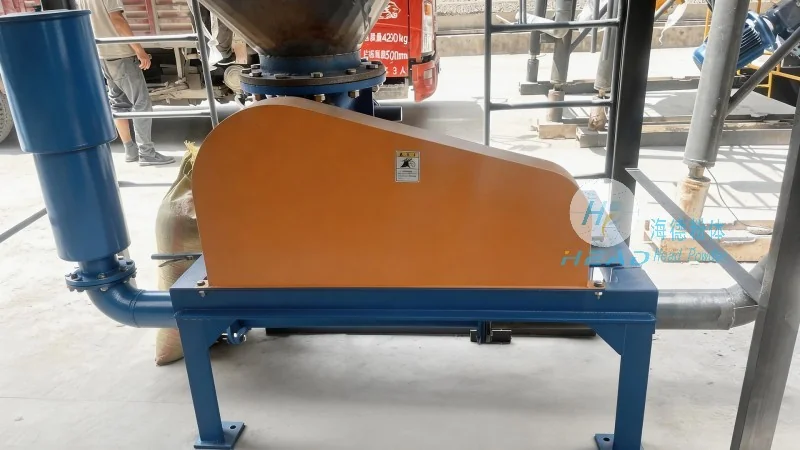
As the demand for efficient ammonia fertilizer transportation continues to grow, technological advancements are driving the evolution of pneumatic conveying systems. Modern systems now incorporate advanced control technologies, such as automated flow monitoring and real-time performance optimization, to enhance operational efficiency and reduce energy consumption. The integration of sensors and data analytics allows for proactive maintenance and predictive performance analysis, minimizing downtime and extending the lifespan of the conveying equipment. Additionally, there is a growing focus on sustainable and eco-friendly solutions, with companies like Shandong HeadPowder Engineering Co., Ltd. investing in energy-efficient designs and materials that reduce the environmental impact of ammonia fertilizer handling. The future of pneumatic conveying for ammonia fertilizers is likely to see further innovations in system design, including the development of more compact and modular systems suitable for diverse applications. These advancements will continue to improve the efficiency, safety, and sustainability of ammonia fertilizer transportation, supporting the needs of the agricultural and industrial sectors.




